The 5 Best Hiking Trails Near Temecula, From Rare Vernal Pools to a Wine-Country Waterfall
This is the fifth and final stop in this Riverside County series, focusing on hiking trails near Temecula, and it’s a genuinely different kind of hiking than anything covered so far: no desert heat, no wilderness permits, no 10,000-ft summit pushes. In short: start with the Vernal Pool Trail if you’re visiting between winter and spring, add the Historic Adobes for the area’s history, and save Tenaja Falls for a separate trip, since it isn’t on the same reserve as the other three.
Disclosure: Please note that some of the links below are affiliate links and at no additional cost to you, I may earn a commission. Know that I only recommend hiking gear I personally stand behind; when you use my affiliate links, it helps me run this blog and keep all of this content free of charge for readers (like you).
Temecula and Murrieta sit in a mild inland valley at the southern tip of the county, ringed by oak woodland and vineyard hills rather than mountains or open desert, the outlier climate zone in this entire batch.
Four of this guide’s five trails cluster around the Santa Rosa Plateau Ecological Reserve and Lake Skinner; the fifth, Tenaja Falls, sits in a genuinely different location and jurisdiction, covered honestly below. If you’ve been following the rest of this series, my complete Riverside County guide ties this wine-country stop together with the Palm Springs, Idyllwild, and Santa Rosa/San Jacinto guides already covered.
Key takeaways:
- Best seasonal payoff: Vernal Pool Trail, a genuinely rare wetland ecosystem that only exists part of the year, so timing is everything.
- Best history stop: Historic Adobes Trail, the two oldest standing structures in Riverside County, dating to 1846.
- Best shaded, year-round option: Santa Margarita River Trail, though it’s technically a separate preserve in San Diego County, not part of the Plateau.
- Best wine-country views: Lake Skinner Vista Point Loop flat, easy lakeside walking with vineyard hills in view.
- The one that needs its own trip: Tenaja Falls, a real waterfall, but a different forest, jurisdiction, and drive entirely.
- This is the mildest-climate guide in the whole series; no summer heat warnings here, the way there are in Palm Springs or Joshua Tree, though weather hazards like flash flooding and poison oak still apply.
Quick-glance comparison
| Trail | Distance (RT) | Elevation gain | Fee | Best for |
|---|---|---|---|---|
| Vernal Pool Trail | 1–1.5 mi (up to 3.4 mi looped) | Under 100 ft | $2 day-use | Rare wetland ecosystem |
| Historic Adobes Trail | 1.5–2 mi direct (up to 4.5 mi looped) | Under 150 ft | $2 day-use | 1846 adobe history |
| Santa Margarita River Trail | 3–5.7 mi | Minimal (river-hugging) | Free (donation-based) | Shaded, year-round hiking |
| Lake Skinner Vista Point Loop | 1.9–4.2 mi | 39–118 ft | $6 day-use | Wine-country lake views |
| Tenaja Falls Trail | 1.4–1.5 mi | 275–300 ft | Free | Multi-tiered waterfall |
Vernal Pool Trail: a rare wetland that only exists part of the year
This is the trail I’d build a whole Temecula visit’s timing around, since its signature feature is genuinely seasonal; miss the window and there’s nothing to see.
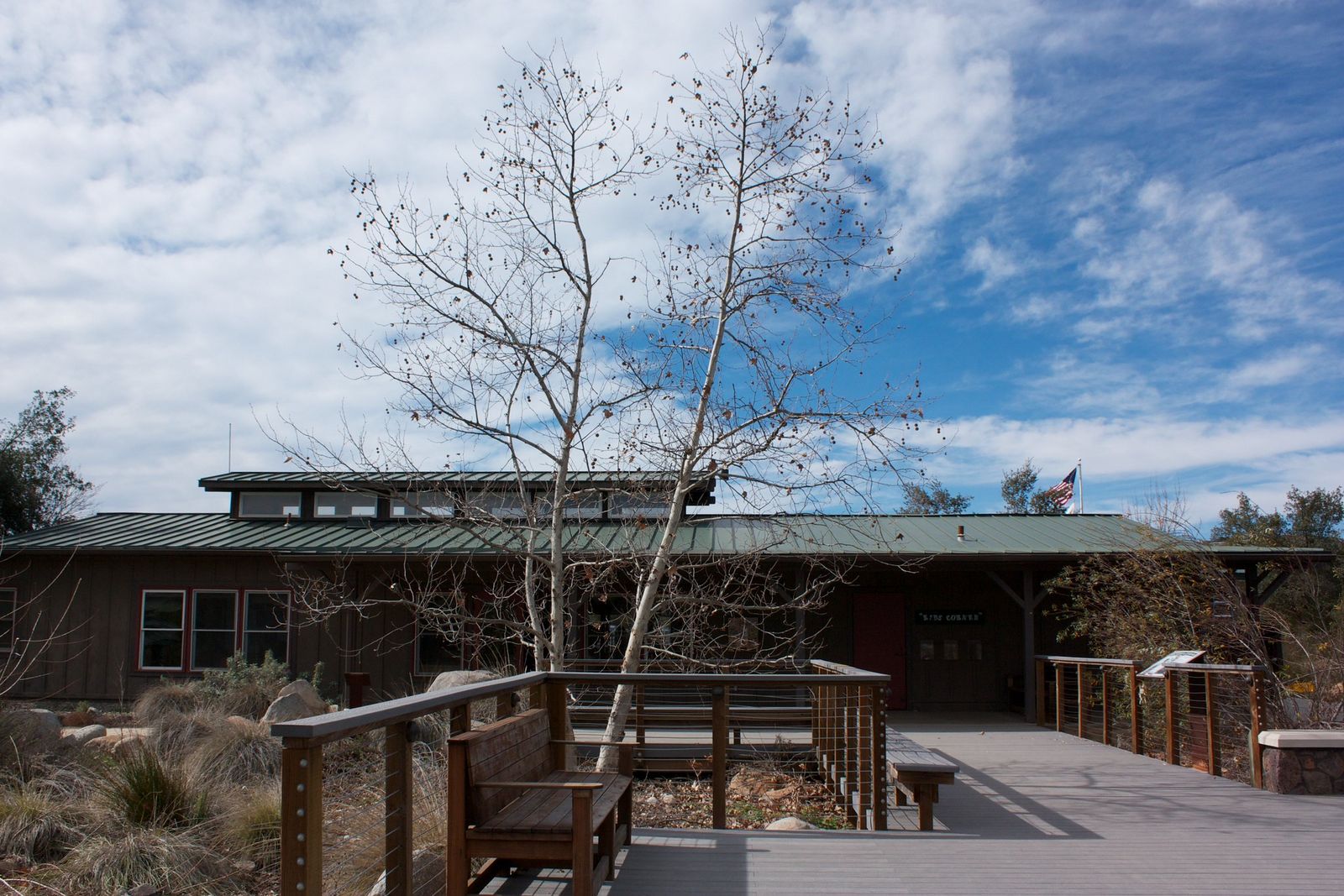
Trailhead access and parking at the Santa Rosa Plateau Visitor Center
The visitor center sits at 39400 Clinton Keith Rd, reached via I-15 exit 68. A $2 adult / $1 child (ages 2–12) day-use fee applies here and covers both this trail and the Historic Adobes Trail below, sharing the same trailhead hub.
Difficulty, distance, and elevation gain on the Vernal Pool Trail
The direct version to the pools runs about 1 to 1.5 miles round trip with under 100 ft of gain, easy, flat, and boardwalk-assisted at the pool itself. Many hikers extend it into the 3.4-mile Vernal Pool–Transpreserve Trail Loop for a fuller tour of the oak woodland and grassland beyond.
What you’ll see: a rare vernal pool ecosystem and spring wildflowers
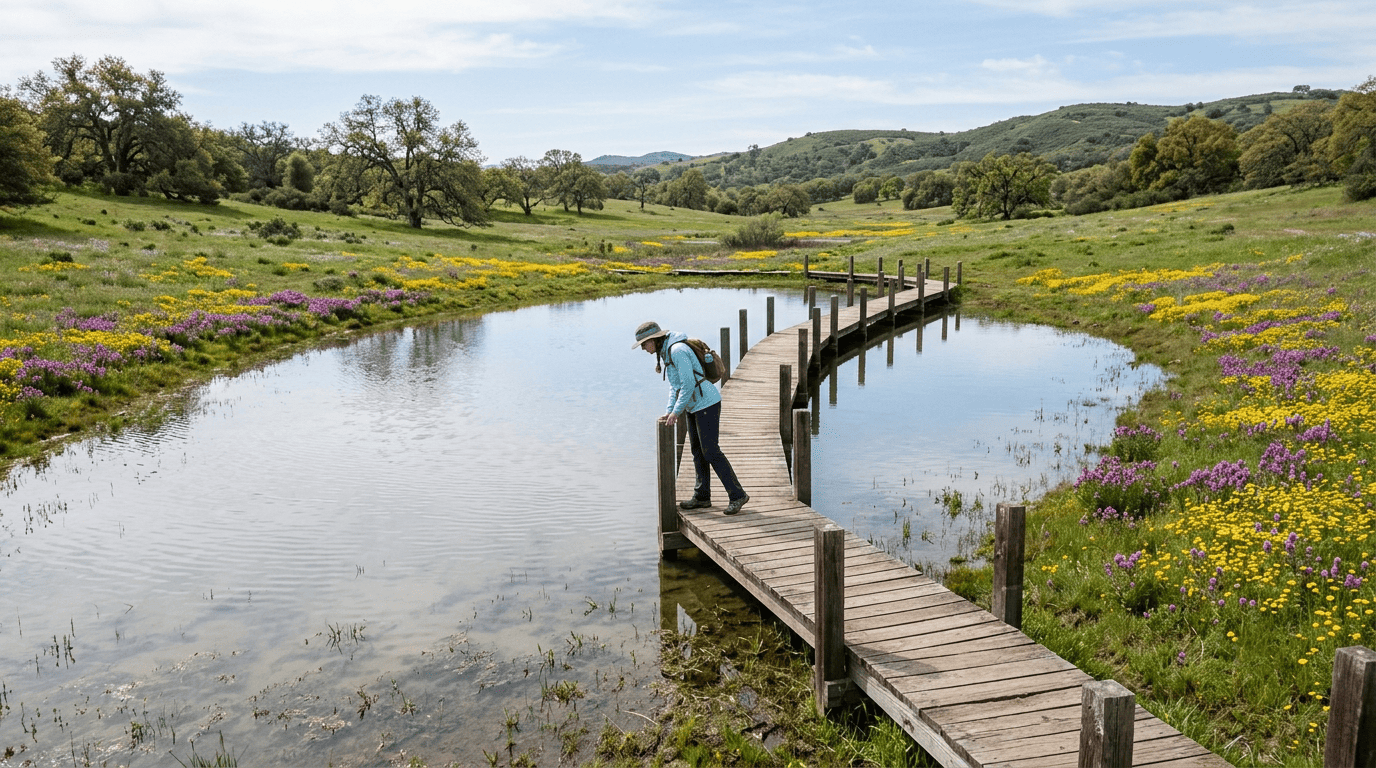
Vernal pools are a genuinely rare type of wetland in Southern California: shallow depressions that fill with winter rain and support fairy shrimp, a small crustacean found in very few other places on Earth, alongside two-striped garter snakes hunting tadpoles at the pool’s edge. A boardwalk crosses the largest pool so you can look without disturbing it.
Best time to hike the Vernal Pool Trail: spring, after winter rains
This is not a flexible recommendation; the pools are dry most of the year and only fill after a real wet season, typically holding water from late winter into spring. Visit in a drought year, and you may find nothing but a dry depression.
Historic Adobes Trail: two 1846 buildings under a 400-year-old oak
If the Vernal Pool Trail is about ecology, this one is about the human history underneath it, genuinely distinct from anything else in this Riverside County series.
Trailhead access and parking at the Santa Rosa Plateau Visitor Center
Same trailhead, same $2/$1 day-use fee as the Vernal Pool Trail above. This is the second of three trails sharing that hub.
Difficulty, distance, and elevation gain to the Historic Adobes
A direct out-and-back runs roughly 1.5 to 2 miles with under 150 ft of gain; hikers who want the fuller reserve experience often combine it into the 4.5-mile Adobes via Transpreserve Trail loop instead.
What you’ll see: 19th-century adobe ranch buildings under oak groves
The Machado Adobe and Moreno Adobe, both dating to around 1846, are the two oldest standing structures in Riverside County, built as bunkhouses on the 47,000-acre Rancho Santa Rosa, a Mexican land grant to Juan Moreno. They sit shaded by a genuinely massive 400-year-old oak tree, with a picnic area between them. You can’t go inside, but the exteriors and setting are worth the stop on their own.
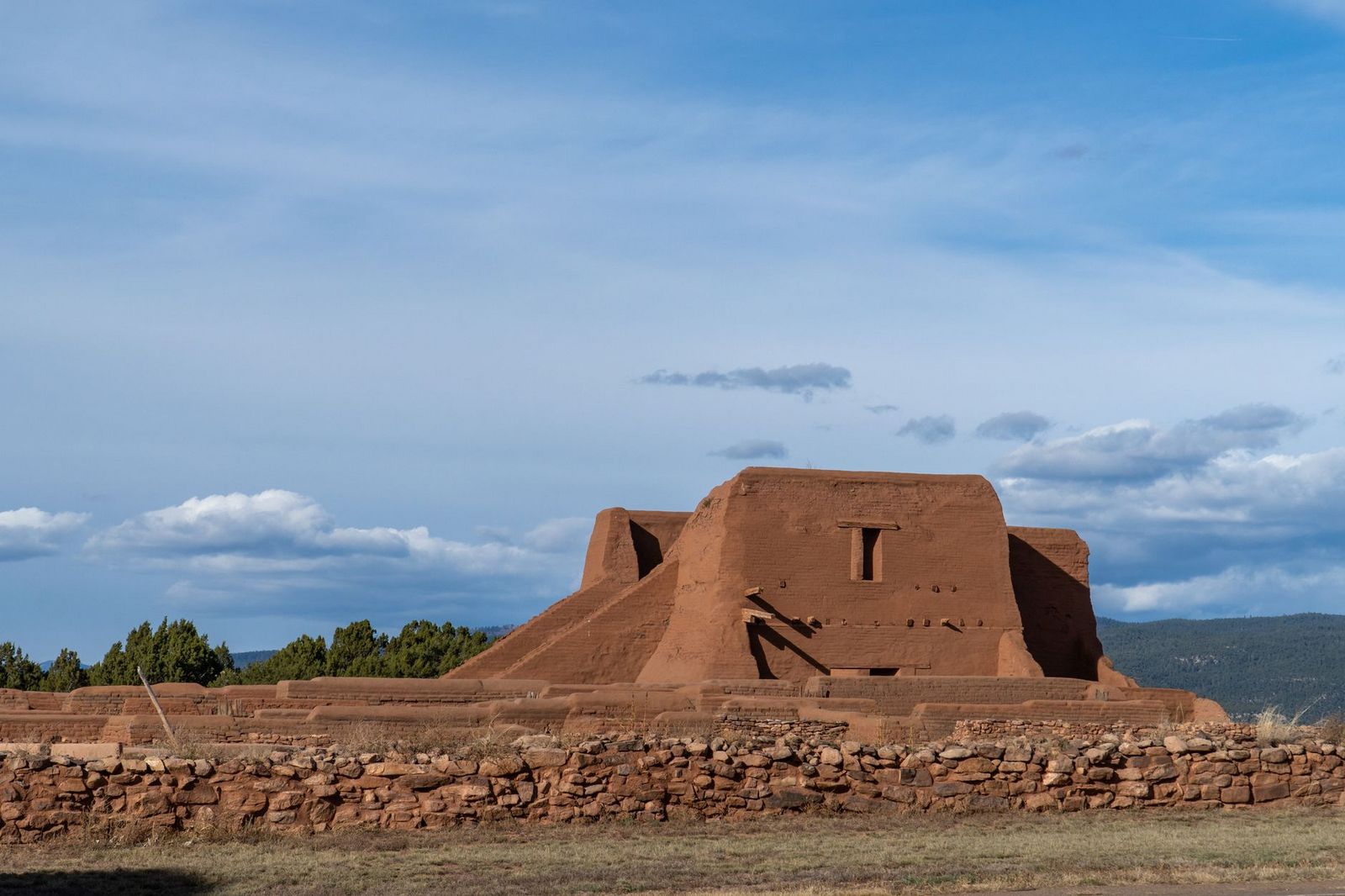
Best time to hike the Historic Adobes Trail: cooler months for comfortable walking
Fall through spring is most comfortable; the oak canopy along the way provides real shade even in warmer months, unlike the fully exposed desert trails elsewhere in this series.
Santa Margarita River Trail: shaded hiking, but not on the same reserve
Here’s the trail that breaks the pattern of this guide, worth reading carefully before you plan a combined visit.
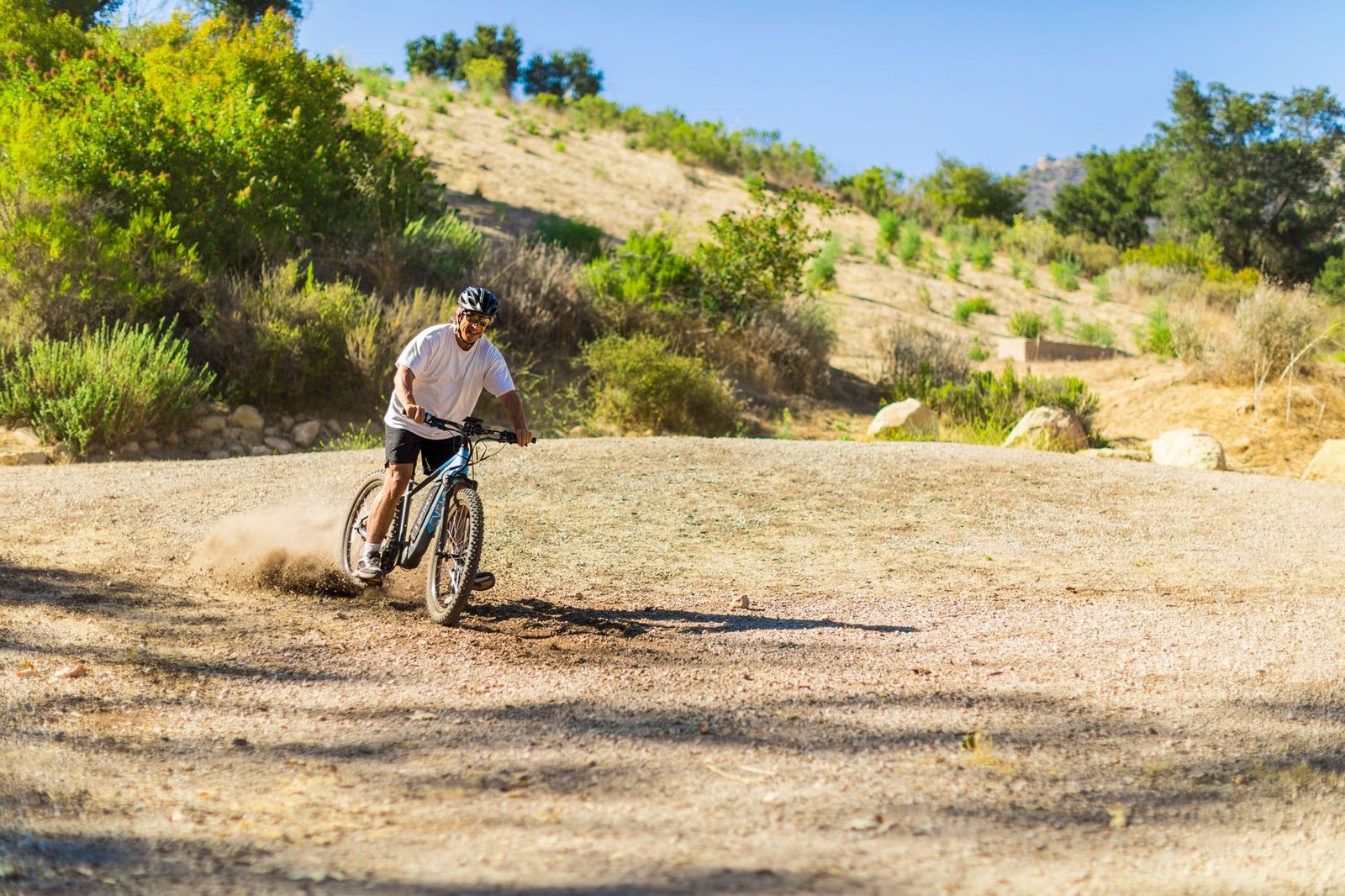
Trailhead access and parking (actually in Fallbrook, San Diego County, not the Santa Rosa Plateau)
Despite frequently getting grouped with Temecula-area hiking, this trail is genuinely a separate destination: the Santa Margarita River Trail Preserve, managed by The Wildlands Conservancy, at 4251 River Edge Rd in Fallbrook, about a 20 to 25-minute drive south of the Santa Rosa Plateau visitor center, across the county line into San Diego County. It’s free to hike (donation-based, nonprofit-run), with gates closing promptly at 5 p.m.
Difficulty, distance, and elevation gain along the Santa Margarita River
A flat, easy 3-mile round trip covers the casual version; hikers wanting more can push to a 5.7-mile round trip that reaches a hidden riverside beach. Elevation gain stays minimal throughout since the trail hugs the river.
What you’ll see: riparian oak woodland and the region’s namesake river
This protects five miles of the Santa Margarita River, one of the last free-flowing, undammed rivers left in Southern California, lined with coast live oak, sycamore, and cottonwood. Multiple side trails offer river access, though swimming isn’t officially authorized. Watch for western poison oak, which grows abundantly along the entire route.
Best time to hike the Santa Margarita River Trail: year-round, shaded sections
The oak canopy keeps this comfortable across seasons better than any other trail in this guide, though it can flood and close temporarily after heavy winter storms.
Lake Skinner Vista Point Loop: flat wine-country lake views
This is the easiest, most laid-back trail in the entire guide, a genuine lake walk, not a vista climb.
Trailhead access and parking at Lake Skinner Recreation Area (day-use fee)
Lake Skinner Recreation Area, near Winchester, charges a $6 adult / $3 child (12 and under) day-use fee, with parking and restrooms at the marina.
Difficulty, distance, and elevation gain on the Vista Point Loop
The park’s own longest trail runs about 4.2 miles with roughly 118 ft of gain, genuinely flat, rolling lakeside terrain; shorter options exist down to 1.9 miles with even less elevation change. This is walking, not climbing, regardless of which loop you pick.
What you’ll see: wine country views over Lake Skinner
Open water views stretch across the reservoir, framed by the rolling hills of Temecula Valley wine country. Springtime wildflowers add real color to an otherwise straightforward lakeside walk.
Best time to hike Lake Skinner Vista Point Loop: weekday mornings, wine-country golden hour
Weekends bring real crowds tied to camping and boating traffic; a weekday morning or evening golden hour gives you the views without the noise.
Tenaja Falls Trail: a multi-tiered waterfall, and a trip of its own
The odd trail out geographically and administratively plans this as its own outing, not a same-day add-on to the Plateau.
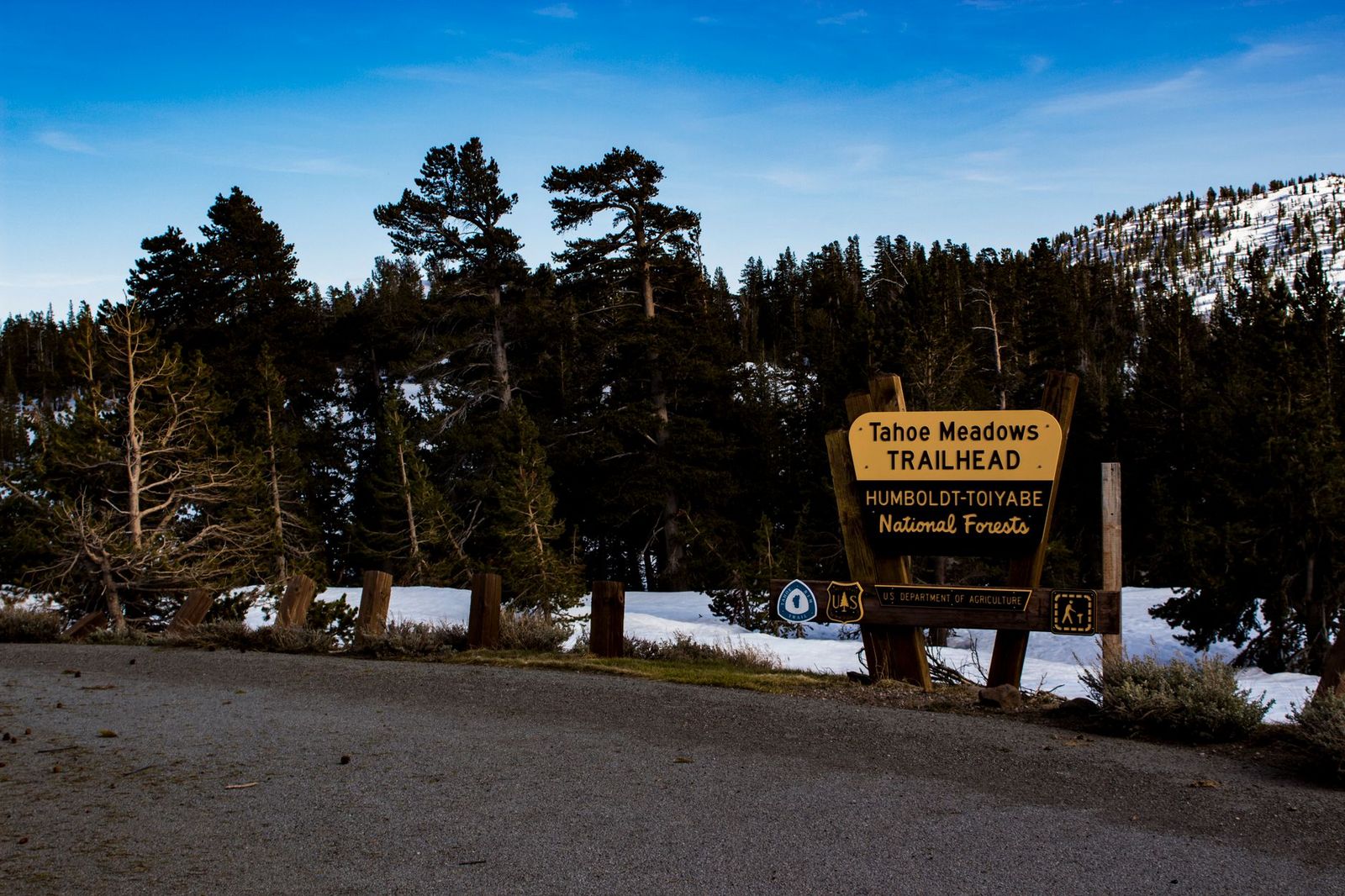
Trailhead access and parking at the Tenaja Falls Trailhead, Cleveland National Forest
Reached via a rough, one-lane dirt-and-pavement road off Tenaja Road, west of Clinton Keith Road, most passenger cars manage it, but drive slowly. Despite older guidance, no Forest Adventure Pass is required here anymore; it’s currently free to park and hike, though a trailhead log book still asks you to sign in.
Difficulty, distance, and elevation gain to Tenaja Falls
A short, easy 1.4 to 1.5 miles round trip with 275 to 300 ft of gain, the shortest trail in this entire guide by distance, despite the rough drive to reach it.
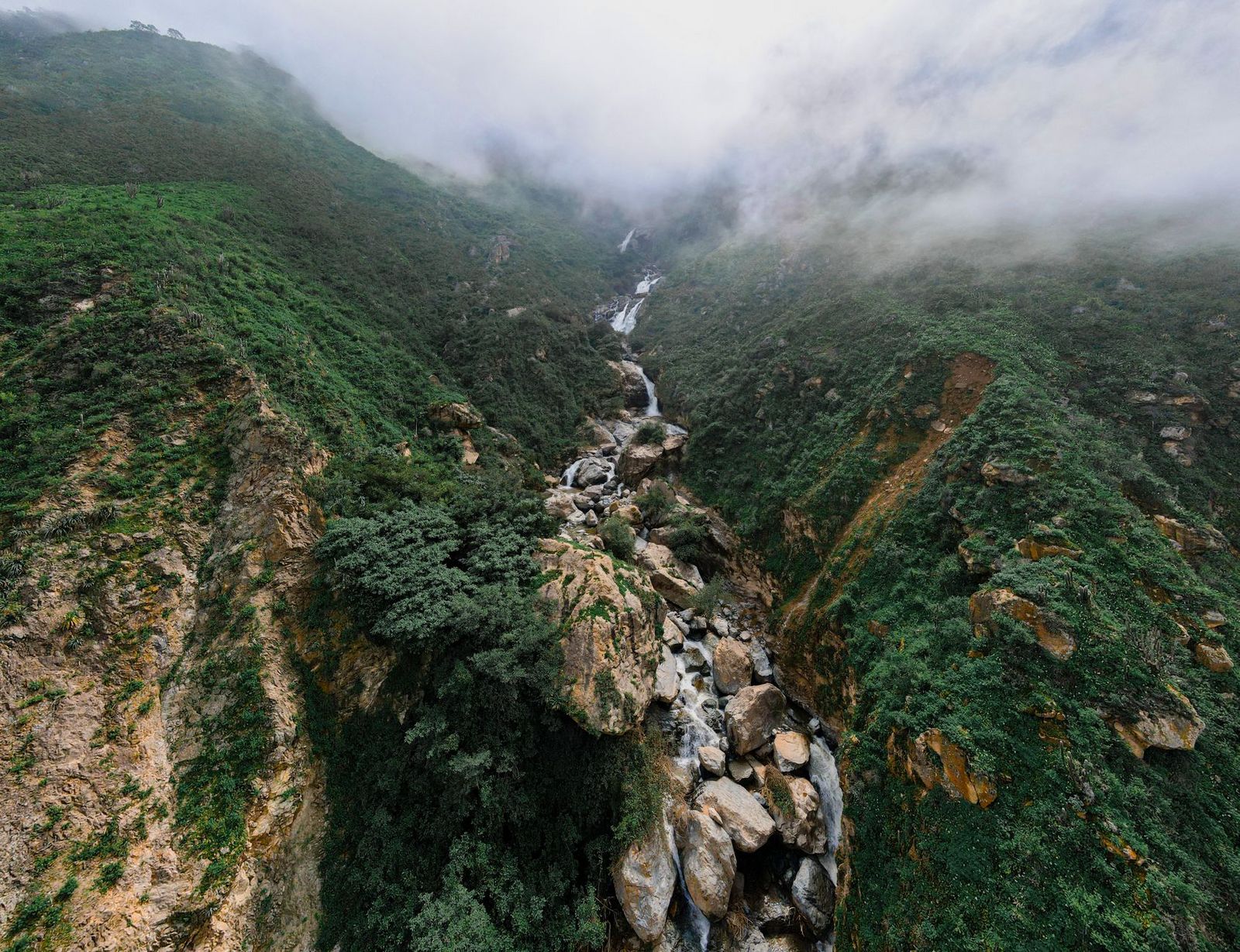
What you’ll see: a multi-tiered seasonal waterfall near wine country
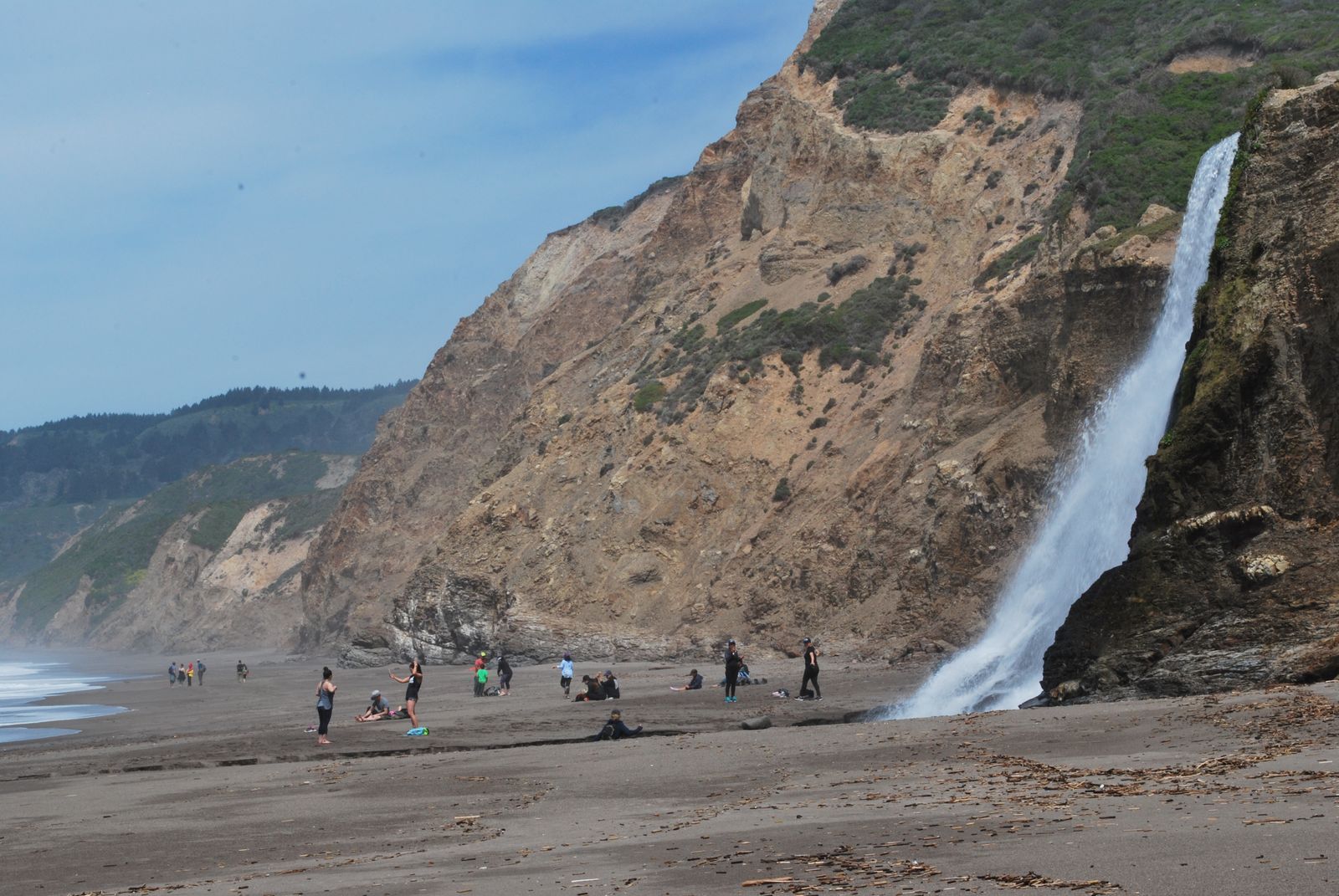
Tenaja Falls drops about 150 ft over multiple tiers onto a sandstone staircase in the San Mateo Canyon Wilderness, a genuinely striking sight for Southern California, though it’s entirely rain-dependent.
Best time to hike Tenaja Falls: after winter rains for peak flow
The falls run strongest immediately after winter storms and dry to a trickle or nothing by summer. Check recent rainfall before making the drive, since the payoff depends entirely on it.
The trail I’d actually start with
If you’ve only got one stop near Temecula, make it the Vernal Pool Trail combined with the Historic Adobes, same trailhead, same modest fee, and together they cover both the ecological and historical reasons this reserve is worth visiting. Lake Skinner is the easy add-on for anyone who wants lake views without any real effort.
Tenaja Falls and the Santa Margarita River Trail both deserve separate trips of their own, since neither shares a trailhead, fee, or managing agency with the Santa Rosa Plateau.
That wraps this five-guide Riverside County series. From Palm Springs’ desert heat to Idyllwild’s forested summits, Joshua Tree’s southern oases, the Santa Rosa and San Jacinto foothills, and now Temecula’s mild wine country, my complete Riverside County hiking guide ties all five together in one place, worth a final read-through before you plan which corner of the county to visit first.
Frequently asked questions
Do you need a reservation to hike the Santa Rosa Plateau?
No reservation required for day hiking; just pay the $2 adult / $1 child day-use fee at the visitor center. Group field trips and certain guided programs do require advance registration, but general public hiking doesn’t.
What is a vernal pool, and where can you see one near Temecula?
vernal pool is a shallow depression that fills with winter rain and dries out by summer, supporting specialized wildlife like fairy shrimp that can’t survive anywhere else. The Santa Rosa Plateau Ecological Reserve’s Vernal Pool Trail is the place to see one near Temecula; visit between winter and spring, since the pools are dry the rest of the year.
Is Tenaja Falls dry in summer?
Often close to it. The falls depend entirely on recent rainfall and run strongest right after winter storms; by summer, flow typically drops to a trickle or stops. Check recent rain totals before making the drive.
Is there a fee to hike at Lake Skinner?
Yes, a $6 adult / $3 child day-use fee applies at Lake Skinner Recreation Area, covering the Vista Point Loop and the park’s other trails.
Are Temecula-area trails dog-friendly?
It varies by trail. Dogs generally aren’t allowed inside the Santa Rosa Plateau Ecological Reserve (Vernal Pool and Historic Adobes trails), while Tenaja Falls permits leashed dogs. Check each trail’s specific rules before bringing one along.
What is the easiest hike near Temecula wine country?
Lake Skinner’s Vista Point Loop, by a clear margin, flat lakeside walking with wine-country views, topping out at just 118 ft of elevation gain even on the longest loop option.