The 5 Best Hiking Trails in Lake Arrowhead, San Bernardino County
Hiking Trails in Lake Arrowhead sits just down the ridge from Big Bear Lake, but it draws a genuinely different crowd, less resort-town bustle, more destination-hike energy built around one specific, famous payoff: natural hot springs at the bottom of a wild canyon. For the full county picture, San Bernardino County’s trail hub ties this guide together with the rest of this batch.
Disclosure: Please note that some of the links below are affiliate links and at no additional cost to you, I may earn a commission. Know that I only recommend hiking gear I personally stand behind; when you use my affiliate links, it helps me run this blog and keep all of this content free of charge for readers (like you).
One access note before the list, and it’s a nuanced one worth reading carefully rather than skimming: there’s a real, dated closure order affecting part of the Deep Creek corridor, but it doesn’t cover what most visitors assume it does. I’ll walk through exactly what’s closed and what isn’t.
Key takeaways
- The famous one, with a real but narrow access nuance: Deep Creek Hot Springs, the main pools remain accessible via Bowen Ranch, but a federal closure order does cover a different stretch of the same creek nearby.
- The easiest, most educational stop: Heaps Peak Arboretum, under a mile, staffed by volunteers, and open all year.
- The kids’ trail with real range: the Exploration Trail, a short interpretive loop near the trailhead, or up to 9-plus miles for hikers who want to keep going.
- The historic-site pick, with a caveat: Keller Peak Fire Lookout, a 1926 tower lost to the 2024 Line Fire; the hike and summit views remain, but the staffed lookout experience is currently gone.
- The uncrowded Deep Creek alternative: Splinters Cabin Trail, the same wild river, without the hot-springs crowds.
Quick-glance comparison
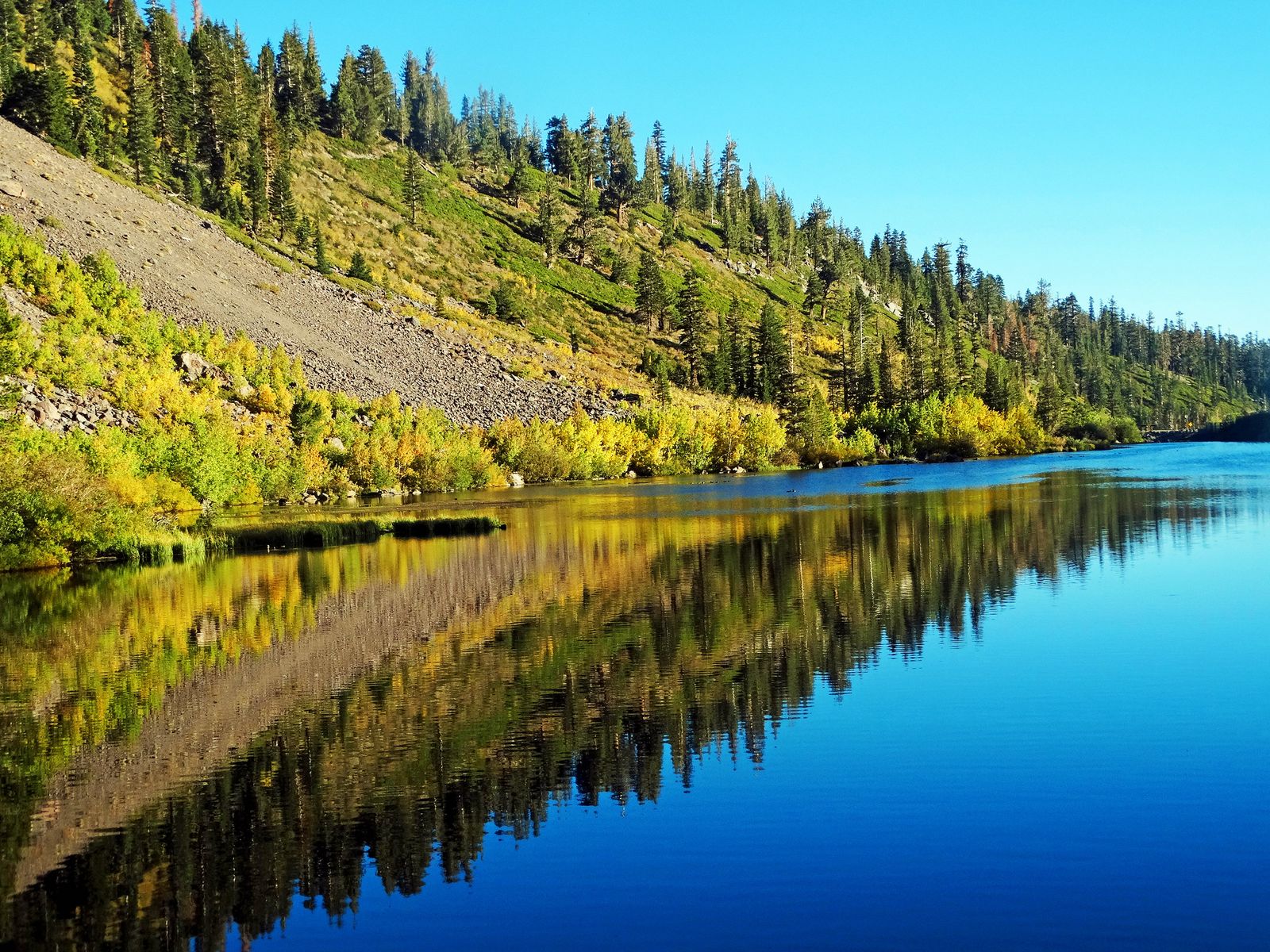
| Trail | Distance (RT) | Elevation gain | Adventure Pass |
|---|---|---|---|
| Deep Creek Hot Springs | 4.5–5 mi | ~700–1,300 ft | No (private Bowen Ranch fee, $10/person) |
| Heaps Peak Arboretum | ~1 mi | Under 150 ft | Yes, for parking |
| Exploration Trail (short loop) | ~1.5–2 mi | Under 300 ft | No |
| Keller Peak Fire Lookout | ~3 mi | ~800 ft | Yes |
| Splinters Cabin Trail | 2–4 mi (adjustable) | ~400 ft | Yes |
If any of this Adventure-Pass-versus-private-fee distinction is confusing, you’re not alone, it trips up a lot of first-time visitors to this specific cluster of trails.
Deep Creek Hot Springs Trail: the famous one, with a nuance worth understanding
This is the destination that put Lake Arrowhead-area hiking on the map nationally, and it deserves the extra care I put into researching its current status.
Trailhead access: Bowen Ranch’s private fee, and a nearby closure that isn’t what it looks like
Bowen Ranch Road is privately operated, charging $10 per person cash at the gate, no Adventure Pass required, since this is private land, not National Forest. Separately, a real Forest Service closure order (05-12-52-25-02, in effect July 2025 through June 2027) protects a stretch of Deep Creek near Aztec Falls, between the Hooks Creek confluence and Devil’s Hole Trailhead, a different segment of the creek than the main hot springs pools.
If your visit is limited to the standard hot-springs hike from Bowen Ranch, this closure shouldn’t affect you; if you’re combining it with a longer Deep Creek trip toward Aztec Falls, it will.
Difficulty, distance, and elevation gain to the pools
From Bowen Ranch, it’s about 4.5 miles round trip with roughly 700 feet of gain on an exposed, decomposed-granite descent, the climb back out in afternoon heat is genuinely the hardest part of this hike, not the descent in.
What you’ll see: natural hot spring pools on a Wild and Scenic River
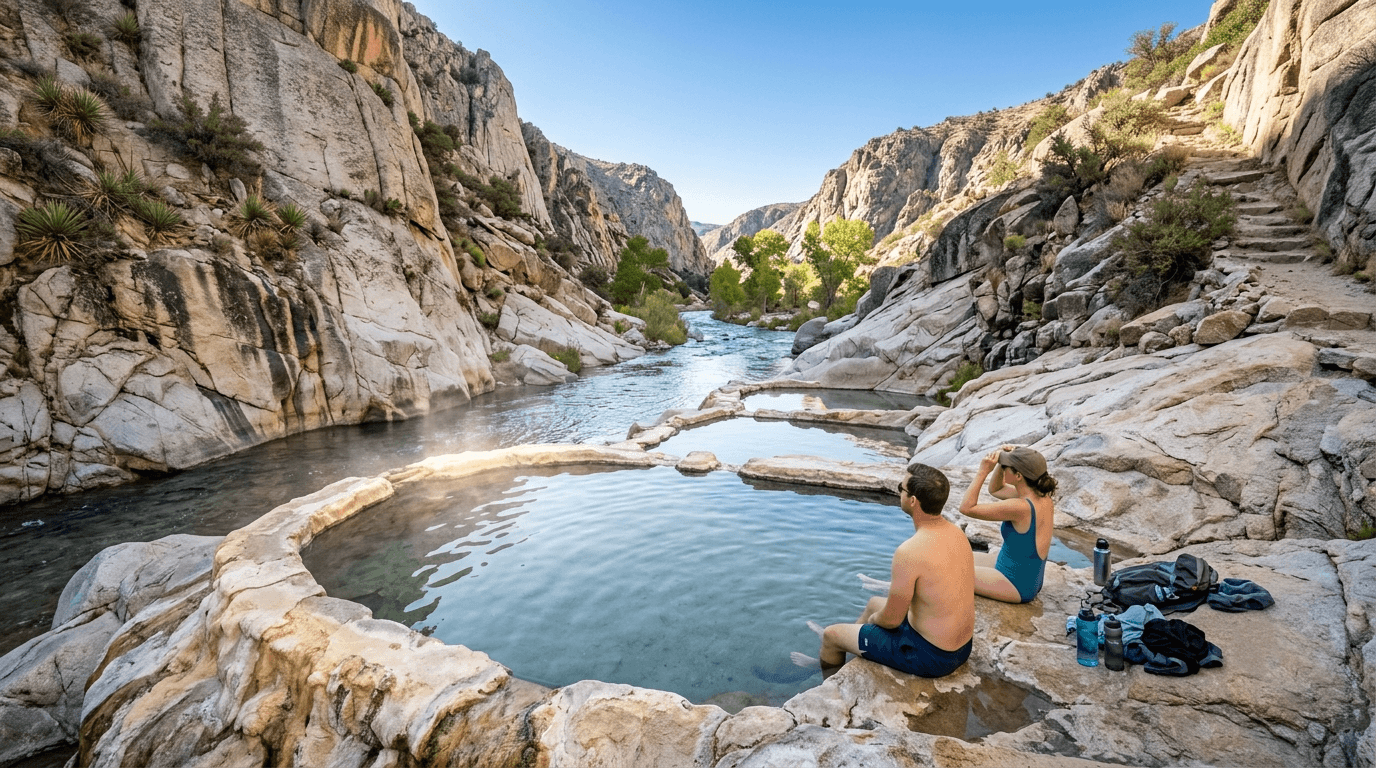
Six or seven rock-lined pools, ranging roughly 100–110°F, sit beside the cold-running Deep Creek, part of a federally designated Wild and Scenic River corridor that protects 34.5 miles of Deep Creek and Holcomb Creek combined.
The area is also clothing-optional by long-standing local custom, worth knowing before you plan a family visit. Deep Creek is also a California Wild Trout stream and home to the federally endangered mountain yellow-legged frog, which is exactly why the Forest Service has gotten more active about managing recreation pressure in this drainage in recent years.
Best time to hike Deep Creek Hot Springs: weekday visits, cooler months
Weekends get genuinely crowded, and summer canyon temperatures regularly exceed 100°F. Spring and fall both offer a more comfortable hike in and a more pleasant soak once you’re there.
Heaps Peak Arboretum: the easiest, most educational trail in this guide
If Deep Creek sounds like more commitment than you want, this is the trail I’d send you to instead, under a mile, staffed, and genuinely built for learning rather than exertion.
Trailhead access: a Highway 18 turnout, Adventure Pass required for the lot
The Arboretum sits directly on Highway 18 near Skyforest, with the highway’s largest turnout serving as its parking lot. Entry to the trail itself is free, but the Forest Service requires an Adventure Pass ($5/day or $30/year) displayed on vehicles using the lot.
Difficulty, distance, and elevation gain on the interpretive loop
It’s about 1 mile with under 150 feet of gain, on a mostly accessible, gently graded path, worth pairing with my accessible hiking guide if you’re planning around mobility considerations.
What you’ll see: a Depression-era arboretum with labeled native trees
Built by volunteers with the Rim of the World Interpretive Association, this trail features 24 numbered points of interest covering native San Bernardino Mountains plant life. One detail worth getting right: the arboretum’s collection includes planted Giant Sequoias as an “introduced” species for educational purposes, these aren’t a native San Bernardino Mountains grove, since giant sequoias naturally grow only in specific Sierra Nevada locations.
Best time to hike Heaps Peak Arboretum: any season, genuinely
Dense forest canopy and a short, gentle path keep this comfortable and accessible nearly year-round, in contrast to Deep Creek’s much more weather-dependent canyon.
Exploration Trail: a kids’-designed trail with far more range than its name suggests
This trail has an unusual origin story, it was literally designed with input from local schoolchildren, alongside Forest Service staff, as part of the National Children’s Forest program that grew out of reforestation efforts here decades ago.
Trailhead access: free, near the Lake Arrowhead Children’s Forest
Parking near the Children’s Forest trailhead is free, distinct from the fee-based Bowen Ranch access used for Deep Creek Hot Springs.
Difficulty, distance, and elevation gain: a short loop, or a genuinely long trail
Worth correcting here: the full Exploration Trail is much longer than a casual “family loop”, it runs up to 9 miles one-way in its complete form. The family-friendly portion most visitors mean when they ask about this trail is a shorter interpretive loop near the trailhead, roughly 1.5–2 miles with under 300 feet of gain. Both options start from the same place, so you can simply turn around whenever you’re ready.
What you’ll see: a post-wildfire forest recovery story in action
This area’s Children’s Forest designation traces back to a 1970s wildfire, after which local schoolchildren helped replant the burned hillsides, interpretive signage along the trail tells that story directly, making this one of the more genuinely kid-relevant educational trails in this entire site’s coverage.
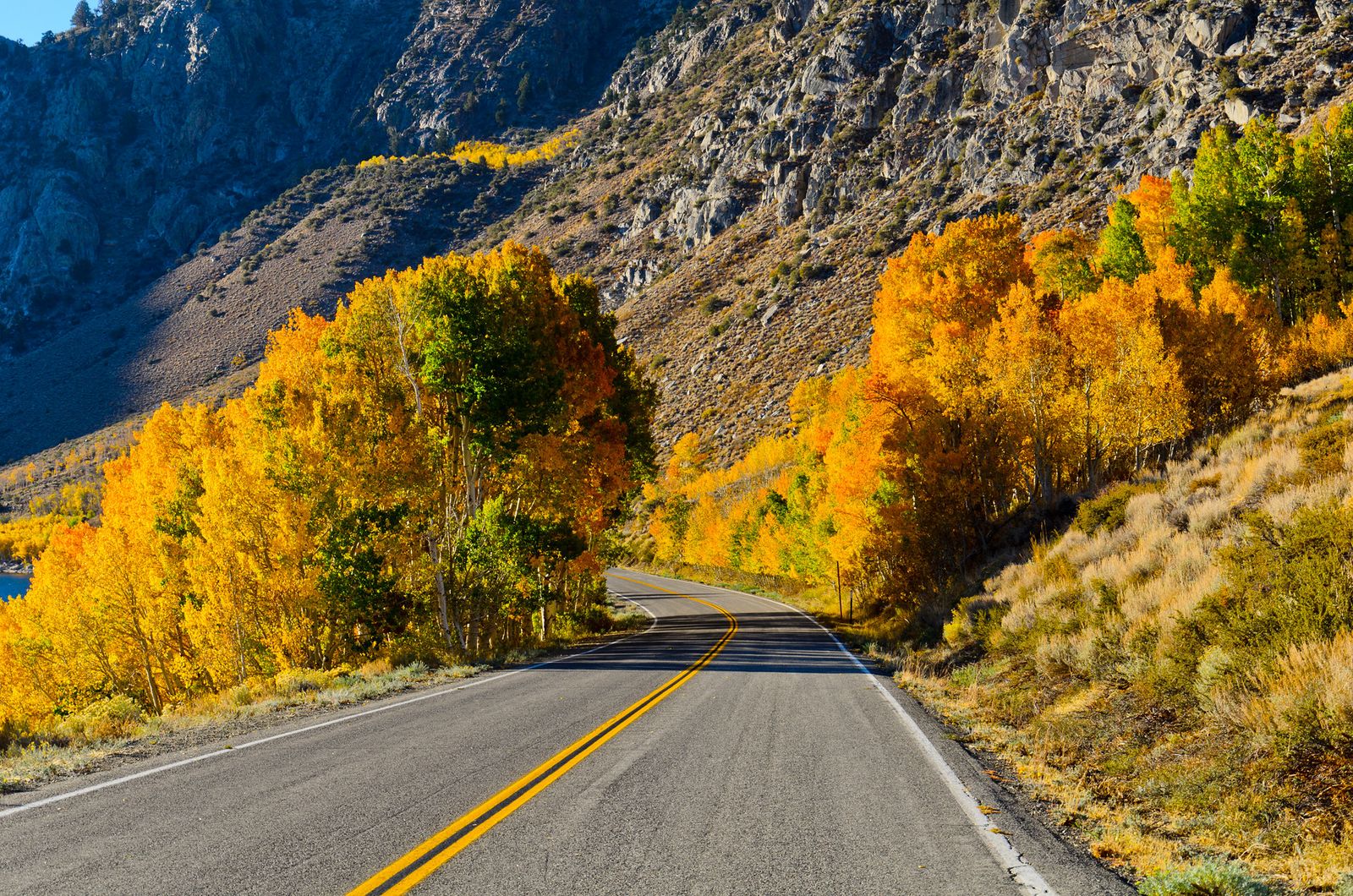
Best time to hike the Exploration Trail: spring, for the new growth
Spring timing connects directly to the trail’s reforestation theme, when new growth is most visible against the older recovered forest around it.
Keller Peak Fire Lookout: a historic site, hiked today for the summit
This is the trail I’d call the closest analog to the Big Bear post’s Champion Lodgepole Pine, a single-destination hike built around one specific, unusual landmark rather than a summit or lake view.
Trailhead access: Running Springs, Adventure Pass required
From Running Springs, take Keller Peak Road (Forest Road 1N96), the first four miles are paved and open year-round, with the final mile a well-graded dirt road to the tower itself. Display an Adventure Pass at the trailhead.
Difficulty, distance, and elevation gain to the lookout
It’s roughly 3 miles round trip with about 800 feet of gain, a moderate profile that’s shorter than Deep Creek but steeper than the arboretum and interpretive trails on this list.
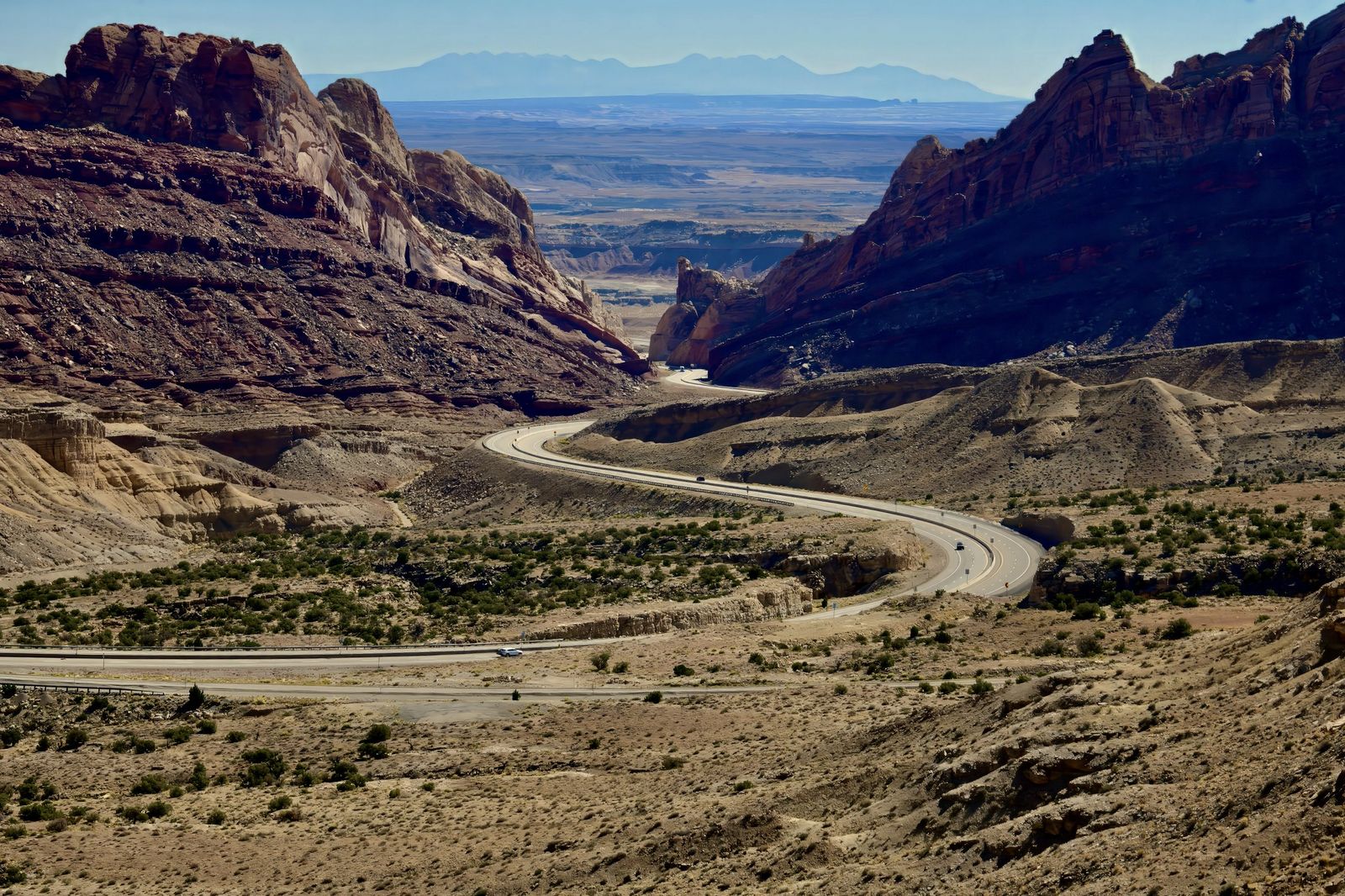
What you’ll see: the site of the forest’s oldest fire lookout, lost in the 2024 Line Fire
Built in 1926, Keller Peak’s tower was the oldest standing fire lookout in the San Bernardino National Forest until the September 2024 Line Fire destroyed it, leaving only the steel framework. The Southern California Mountains Foundation, which staffed the tower for decades with volunteers, has said rebuilding is under discussion with the Forest Service, but no rebuild has been completed as of this writing.
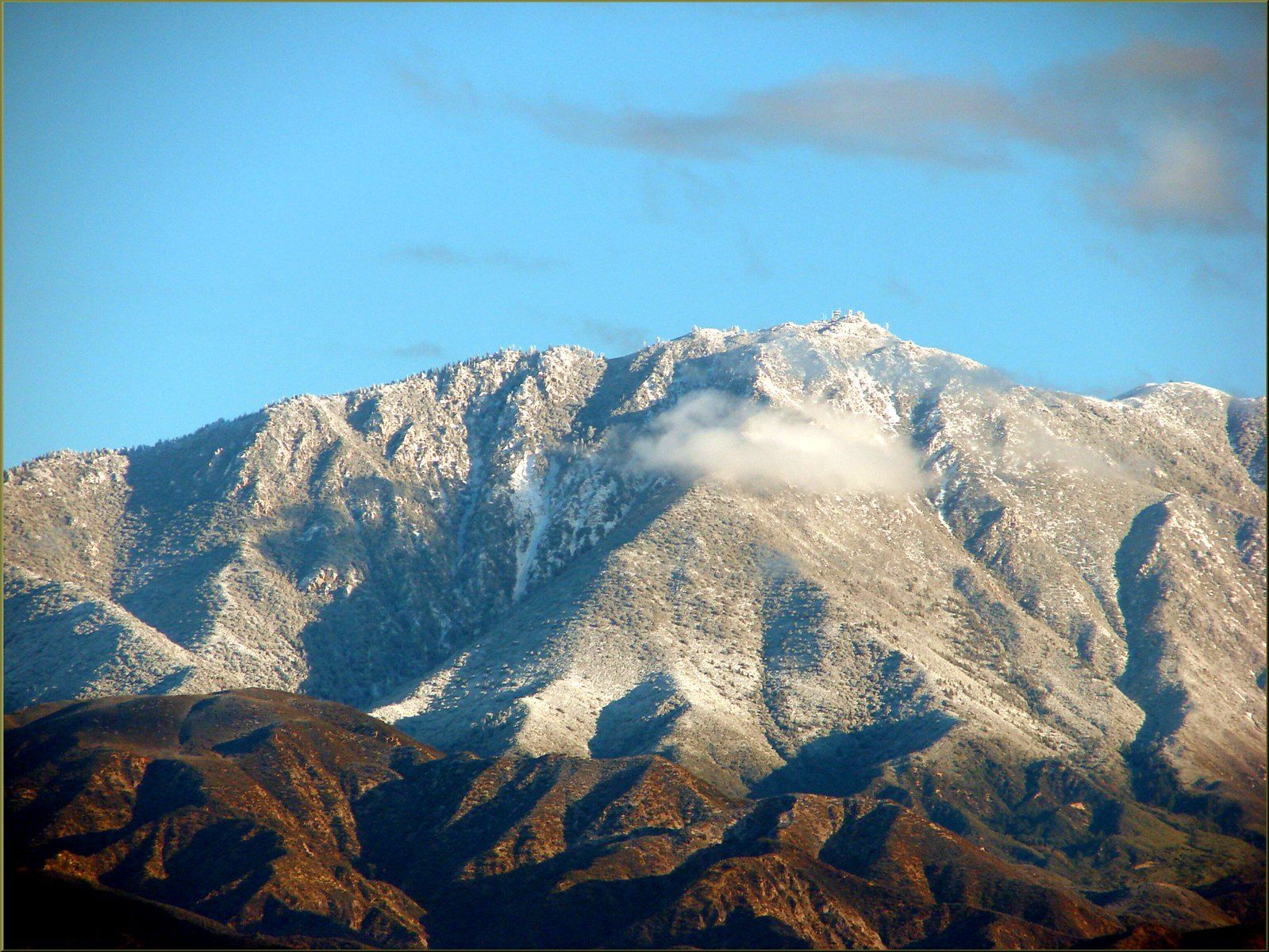
The hike itself, and the summit views across the Rim of the World Scenic Byway toward Big Bear, are still very much there; it’s the staffed tower structure that’s currently missing.
Best time to hike Keller Peak: anytime the road is clear, since staffing no longer applies
With the lookout destroyed, the old Memorial Day–to–mid-November staffing window no longer shapes when to visit. The trail and summit views are accessible most of the year; winter snow on the final dirt-road stretch is now the main seasonal factor, not staffing hours.
Splinters Cabin Trail: the same Deep Creek, without the hot-springs crowds
If Deep Creek Hot Springs sounds appealing but the crowds don’t, this upstream alternative delivers the same wild river without the destination-hike traffic.
Trailhead access: free, on Hook Creek Road in Cedar Glen
Follow Hook Creek Road to its end into a Forest Service dirt road; an Adventure Pass is required to park at the trailhead itself. As of mid-2026, the dirt access road has had its vehicle gate temporarily closed at points, though hiking in on foot remains allowed, worth a quick check before you drive out with an RV or low-clearance vehicle.
Difficulty, distance, and elevation gain along the upper gorge
It’s an adjustable 2–4-mile out-and-back with about 400 feet of gain, considerably gentler and shorter than the full hot-springs trek.
What you’ll see: swimming holes and gorge scenery upstream of the crowds
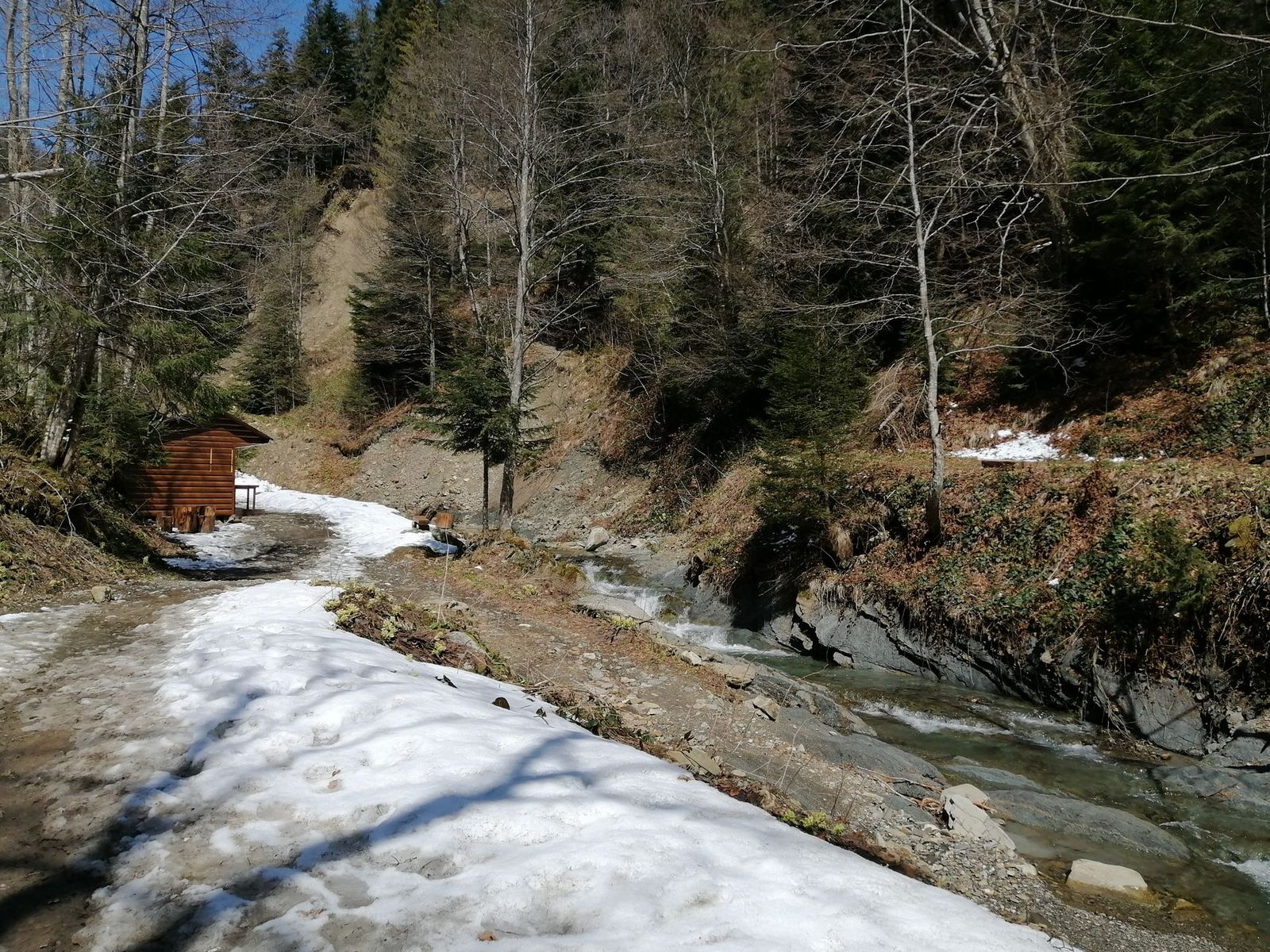
This trail reaches the same Deep Creek Wild and Scenic River corridor, with swimming holes and a genuine PCT access point, but sits upstream of the hot springs’ crowds entirely.
Best time to hike Splinters Cabin: most weekends, honestly
This is consistently one of the quieter Deep Creek access points even during peak hot-springs season, a reasonable pick almost any time you want water without the wait.
Which of these five to hike first
If the hot springs are the whole reason you’re here, go, the closure that gets misreported online doesn’t actually affect the standard Bowen Ranch approach. If you’d rather skip the crowds entirely, Splinters Cabin gives you the same river with a fraction of the traffic. And if you’re traveling with kids, Heaps Peak Arboretum and the Exploration Trail’s short loop are both genuinely built for that audience, not just tolerant of it.
Once you’ve worked through this list, my San Bernardino Mountains guide covers the true high-elevation hikes further up the range, including San Gorgonio Mountain itself. If you’d rather trade forest for open desert, my desert trails and Mojave National Preserve guides cover the rest of this county’s terrain, and my Big Bear Lake guide is right next door if you haven’t done that one yet.
Frequently asked questions
Is Deep Creek Hot Springs clothing-optional?
Yes, by long-standing local custom rather than official designation, worth knowing before you plan a family visit.
Is there a fee to access Deep Creek Hot Springs via Bowen Ranch Road?
Yes, $10 per person, cash only, paid at the gate. This is a private-property fee, not a National Forest Adventure Pass.
How far is Deep Creek Hot Springs from Lake Arrowhead?
Roughly 40–45 minutes by car to the Bowen Ranch trailhead, though the hot springs themselves sit in a different drainage than the lake itself, closer to Apple Valley.
Is Heaps Peak Arboretum good for kids?
Yes, genuinely one of the best kid-oriented trails in this whole San Bernardino County batch, short, flat, and built around hands-on interpretive stops.
Are Lake Arrowhead trails open year-round?
Most are, though higher-elevation and more exposed trails can see winter snow impacts. Heaps Peak Arboretum and the Exploration Trail’s shorter loop are both reliable year-round options.
Is Lake Arrowhead itself open to public hiking access?
The lake itself is private and largely surrounded by private property, but the surrounding National Forest land, including every trail in this guide, is open to the public.