Best Hiking Books and Guidebooks for Every Trail Lover
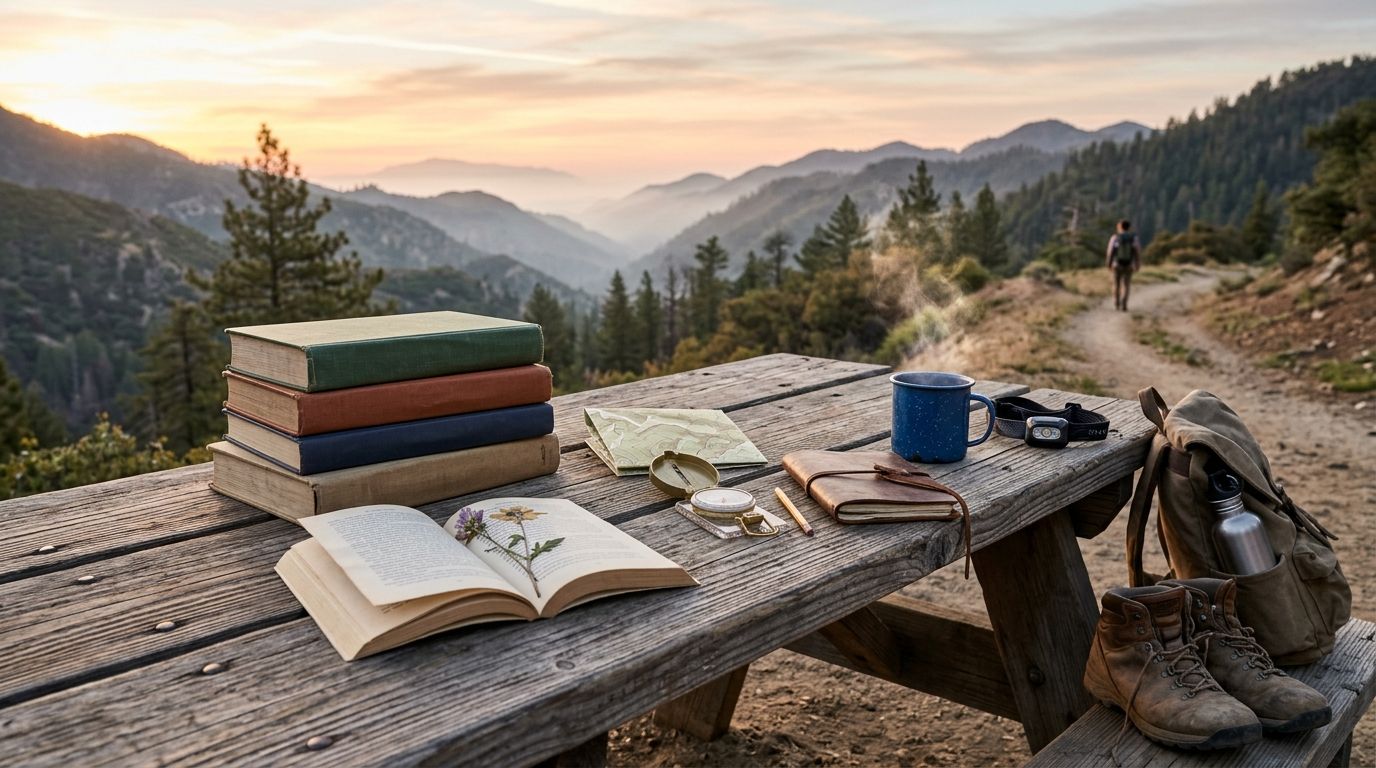
Picture the trailhead at six in the morning. Your pack feels heavier than it did in the parking lot, the sky is still gray, and you have no idea what the next ten miles will feel like. Most hikers know that feeling, and it’s a big reason hiking books have such a loyal readership. The best ones put you in the boots of someone who went first. They show you the blisters, the wrong turns, and the moments when the trail nearly wins.
Disclosure: Please note that some of the links below are affiliate links and at no additional cost to you, I may earn a commission. Know that I only recommend hiking gear I personally stand behind; when you use my affiliate links, it helps me run this blog and keep all of this content free of charge for readers (like you).
This list of the best hiking books for 2026 covers both sides of the shelf. You’ll find memoirs that read like adventures, a book about how trails form in the first place, and three field manuals that belong in your pack.
Whether you hike a neighborhood loop on Sunday or plan a month on a long-distance route, there’s a book below for you. If you hike in California, I’ll point you to local trails along the way.
Key Takeaways
- Memoirs such as Wild and A Walk in the Woods show the trail from the inside, mistakes included.
- Into the Wild is a true story that doubles as a warning about preparation.
- The Backpacker’s Field Manual, Wilderness Navigation, and Medicine for the Outdoors are the reference books to keep with you.
- Start with one story and one manual, then build your shelf from there.
Hiking Books at a Glance
| Book | Author | Type | Publication | Best for |
|---|---|---|---|---|
| Wild | Cheryl Strayed | Memoir | 2012 | A long trail told as a personal story |
| A Walk in the Woods | Bill Bryson | Travel memoir | 1998 | Humor and the Appalachian Trail |
| Into the Wild | Jon Krakauer | Narrative nonfiction | 1996 | Lessons on preparation and risk |
| On Trails | Robert Moor | Trail history and nature writing | 2016 | Readers who wonder how trails form |
| Woman in the Wild | Susan Joy Paul | Guidebook | 2021 | Women starting out in hiking and camping |
| The Backpacker’s Field Manual | Rick Curtis | Field manual | Revised edition, 2011 | Trip planning and backcountry skills |
| Wilderness Navigation | Bob and Mike Burns | Navigation guide | Third edition, 2015 | Map, compass, altimeter, and GPS |
| Medicine for the Outdoors | Paul S. Auerbach | First aid manual | First published 1986; 7th edition 2023 | First aid when help is far away |
Memoirs That Pull You Onto the Trail
Wild by Cheryl Strayed
In 1995, at age 26, Cheryl Strayed’s Wild set out alone to hike the Pacific Crest Trail. She had almost no backpacking experience and a pack she could barely lift. The book begins in the Mojave Desert and follows her north through California and Oregon to the Bridge of the Gods on the Oregon–Washington border, roughly 1,100 miles in all.
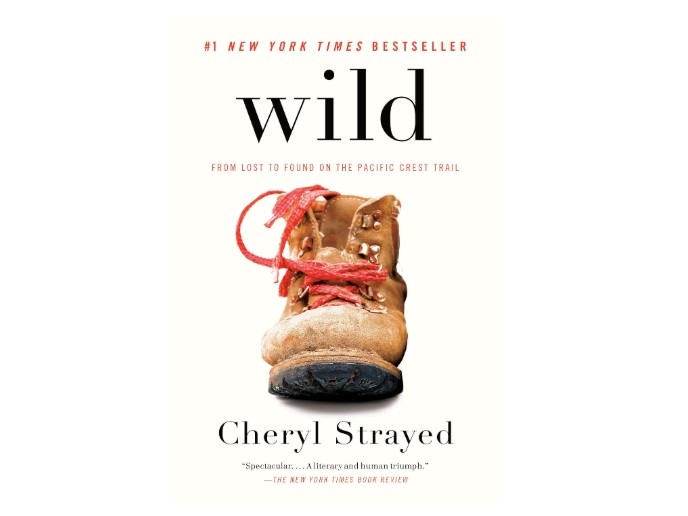
The trail chapters are shaped by flashbacks to her mother’s death, the end of her marriage, and the drug use that followed. That mix is why readers keep returning to it. You get the blisters and the hunger, and you also get the reasons she couldn’t turn back.
Knopf published it in 2012, and the 2014 film starred Reese Witherspoon. Read it if you want a story that makes you laugh at her mistakes and then catches you off guard with her grief.
A Walk in the Woods by Bill Bryson
Bill Bryson had spent about twenty years in Britain when he moved back to the United States and decided to walk the Appalachian Trail. He recruited an old friend, Stephen Katz, an out-of-shape fellow from Iowa who was willing to try. The book (A Walk in the Woods) describes the trail as about 2,100 miles from Georgia to Maine.
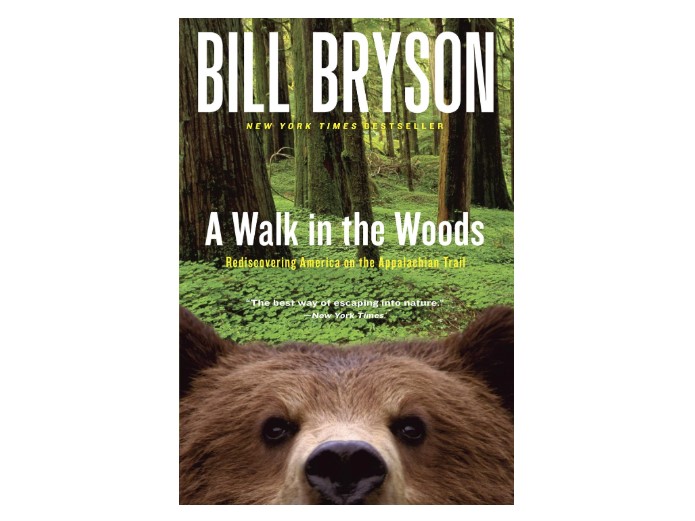
The comedy comes fast: bad equipment, odd encounters, and small-town detours. Underneath the jokes, Bryson writes about the trail’s history and the forests they pass through, and about what a friendship looks like when one partner is struggling.
The book also admits they skipped a long stretch in the South, which makes the story feel more honest. Broadway Books published it in 1998, and the 2015 film starred Robert Redford. Read it for laughs and a surprisingly full picture of the Appalachian Trail.
Into the Wild by Jon Krakauer
In 1992, Christopher McCandless gave up a comfortable life to live alone in the Alaskan wilderness. He reached the Stampede Trail in April and made camp in an abandoned city bus near the Sushana River. He died there that summer. Moose hunters found his body on September 6, 1992, inside the bus near Denali National Park.
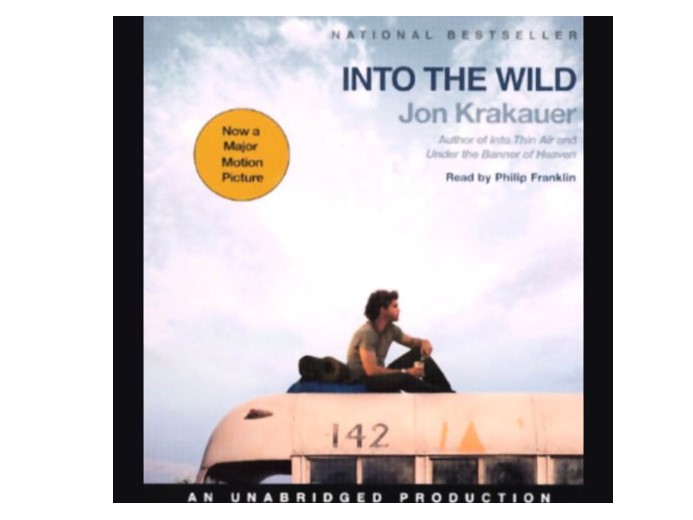
Jon Krakauer built the book from McCandless’s journal, interviews, and accounts from people who had met him along the way. Krakauer never met his subject, so the book (Into the Wild) works like a case file that slowly becomes a portrait.
It asks what drives a person to seek solitude, and how little room the wild leaves for underprepared plans. Villard published it in 1996. The 2007 film, directed by Sean Penn, starred Emile Hirsch. Read it if you want to think about risk before you set off, not after.
Books About the Trail Itself
On Trails: An Exploration by Robert Moor
Robert Moor began thinking about trails in 2009, while thru-hiking the Appalachian Trail. His book (In Trees: An Exploration) follows paths made by insects, animals, and people across different landscapes and centuries. He asks how trails form, why humans keep making them, and what they reveal about us. Simon & Schuster published it in 2016, and it won the National Outdoor Book Award.
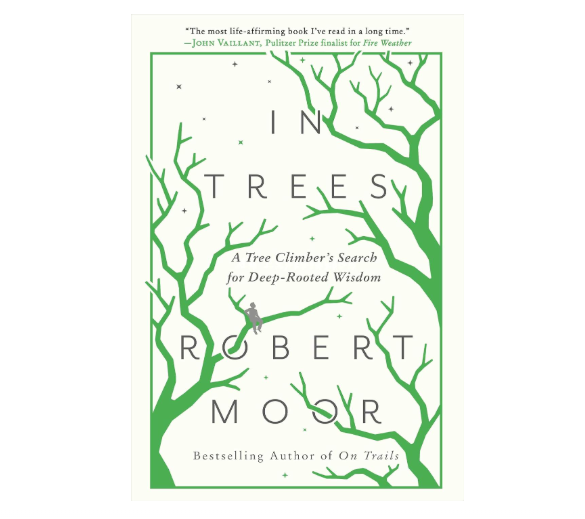
It’s one of the more unusual books on hiking you’ll find. It reads like a travel essay as much as a book about hiking, and it doesn’t move in a straight line.
Each chapter wanders through a new question, like a trail that bends around a ridge you didn’t expect. Read it if you love hiking and have ever stopped on a path to wonder who made it.
Field Manuals and Hiking Guidebooks to Keep in Your Pack
Once a memoir has you planning your own trip, the next shelf is practical: hiking guidebooks and manuals that answer the questions a story can’t. These three are the ones I’d keep within reach.
The Backpacker’s Field Manual by Rick Curtis
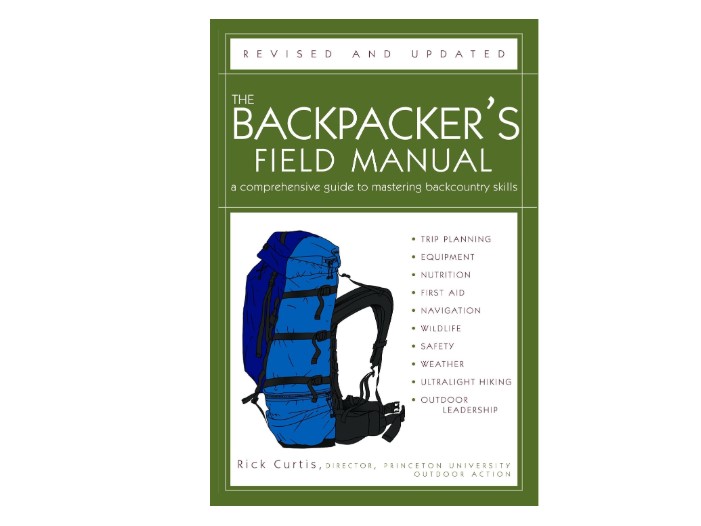
Rick Curtis’s manual is a reference, not a story. The revised and updated edition from 2011 covers gear, first aid, Leave No Trace camping, and trip planning. Each chapter is written to be read at a table before the trip, then consulted on the trail.
If you plan to carry one manual, this is a strong candidate. Once you’ve read a few memoirs and feel the pull to go farther, this is the next book (The Backpacker’s Field Manual) to pick up. For a deeper look at the skills side, see our guide to backpacking and skills books.
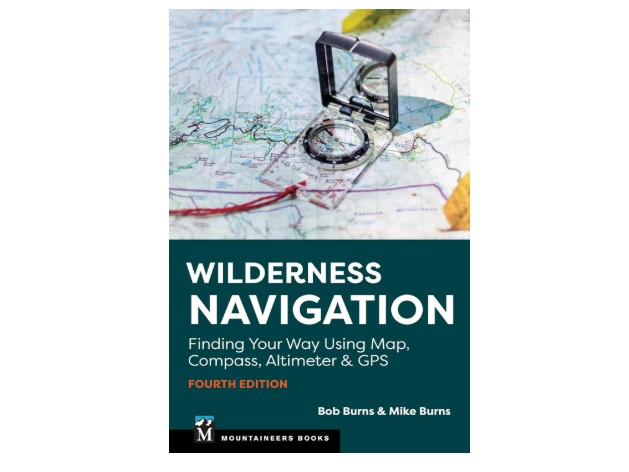
Wilderness Navigation by Bob and Mike Burns
Map and compass skills still matter, even with a phone in your pocket. Wilderness Navigation teaches map reading, compass use, altimeter work, and GPS. It’s built like a course, which makes it easy to work through at home before you head out.
Mountaineers Books published the third edition in 2015, and outdoor education courses use it as a textbook. The book also lists websites, apps, and other tools that can help you check your position.
Before you buy, check the publisher’s page for the current edition. Pair the book with a practical look at free vs paid trail maps so you know which map to carry.
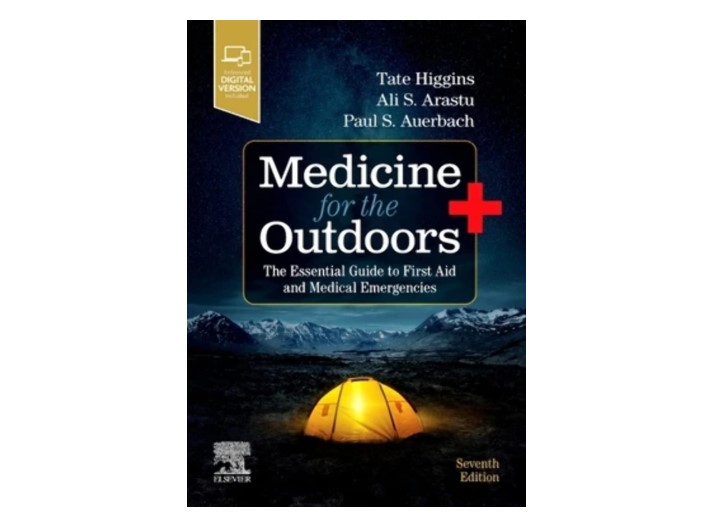
Medicine for the Outdoors by Paul S. Auerbach
Dr. Paul S. Auerbach first published this guide in 1986, and it has been revised many times since. The latest edition, the seventh, came out in 2023 with Tate Higgins and Ali Arastu. It has around 350 illustrations, which helps when you’re reading by headlamp.
The book (Medicine for the Outdoors) is built for one situation: an injury or illness on the trail, when help may be hours away. The steps are clear, and the illustrations make procedures like splinting and bandaging easier to follow. Carry it on any hike where you might be the first responder.
Books for Women Starting Out
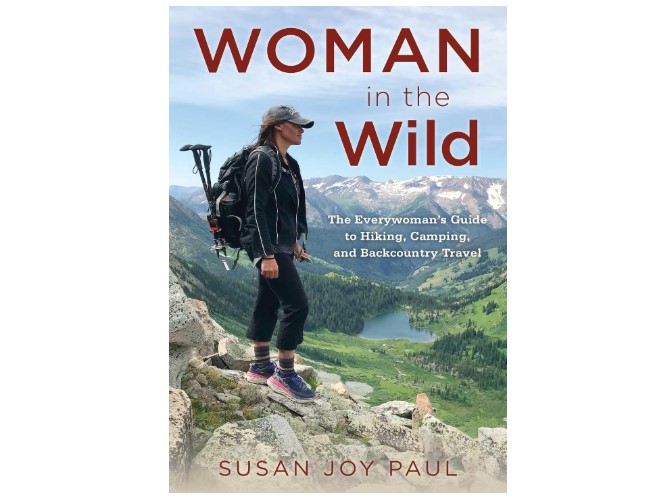
Woman in the Wild by Susan Joy Paul
Falcon Guides published Woman in the Wild in May 2021. The book runs 264 pages across five sections and twenty-five chapters, moving from the basics to advanced skills. Susan Joy Paul covers what to wear, how to pack, and where to find hiking partners.
The advice is practical, so it works for a first-timer as well as someone planning a longer trip. Men who want a clear, step-by-step guide will find plenty here too. For women who want to spend time on trails near home, solo female hiking trails in California is a good next step.
How to Choose Your First Books
Hiking books for men and hiking books for women overlap more than the shelf labels suggest. Most of the memoirs above speak to any reader, and the manuals are for anyone who carries a pack.
If you’re comparing the best books on hiking, start with one hike book that makes you want to get outside, and one manual that answers the questions you’ll have on your first overnight. From there, add books as your trips get longer. Each one you read will change how you look at your next trail.
Where to Go Next
If you finish a memoir and start planning your own adventure, begin with the basics. Our beginner’s guide to hiking in California explains trail types and terms before you pick a route.
Many readers eventually want to hike the classics on their own. Our list of California hiking trails to do before you die is a good place to start. Once you’re ready for a park, our national park hiking guide lays out the options.
For trail history and safety background, the Pacific Crest Trail Association and the Appalachian Trail Conservancy both publish current information about the trails featured in these books.
Pick one memoir and one manual this week, and you’ll have the start of a good shelf. Your next trail is waiting, whether it’s close to home or a long drive away.
Hiking Books Frequently Asked Questions
What are the best hiking books for beginners?
Start with Wild or A Walk in the Woods for the story, then add The Backpacker’s Field Manual for the basics. The memoirs will show you what a long trail feels like, and the manual will answer the questions you’ll face on your first overnight.
Is Wild a true story?
Yes. Wild is a memoir about Cheryl Strayed’s 1995 solo hike on the Pacific Crest Trail. She wrote it from her own experience, and it covers her hike from the Mojave Desert to the Bridge of the Gods on the Oregon–Washington border.
Do I need to read a book before my first hike?
You don’t have to, but one practical manual makes the first trip easier. The Backpacker’s Field Manual covers planning and gear, and Medicine for the Outdoors helps you prepare for injuries.
Which book teaches navigation?
Wilderness Navigation by Bob and Mike Burns is the book to read. It covers map, compass, altimeter, and GPS, and it’s used in outdoor education courses. Check the publisher’s page for the current edition before you buy.
Are there hiking books written for women?
Yes. Woman in the Wild by Susan Joy Paul is written for women starting out, with advice on what to wear, how to pack, and where to find hiking partners. Many of the memoirs above are written for any reader.
Which hiking books 2026 editions are the most current?
Editions change, so check before you buy. The Backpacker’s Field Manual listed here is the 2011 revised edition, Wilderness Navigation is the third edition from 2015, and Medicine for the Outdoors is the seventh edition from 2023. The memoirs and On Trails are stable titles.