Backpacking vs Day Hiking in California: Which Is Best for You?
Both get you onto the same trail, and that’s exactly why the choice trips people up. The difference isn’t the trail; it’s everything you’re carrying and everywhere you’re allowed to sleep. Backpacking vs day hiking demands different fitness, different gear, different money, and different permits, even on trails they share. Here’s how to actually decide which one fits your next trip, without defaulting to whichever one sounds more impressive on paper
Disclosure: Please note that some of the links below are affiliate links and at no additional cost to you, I may earn a commission. Know that I only recommend hiking gear I personally stand behind; when you use my affiliate links, it helps me run this blog and keep all of this content free of charge for readers (like you).
Key takeaways:
- The core difference is overnight capability, not distance: a day hike ends before dark with no camp; backpacking means carrying a full camp and sleeping out.
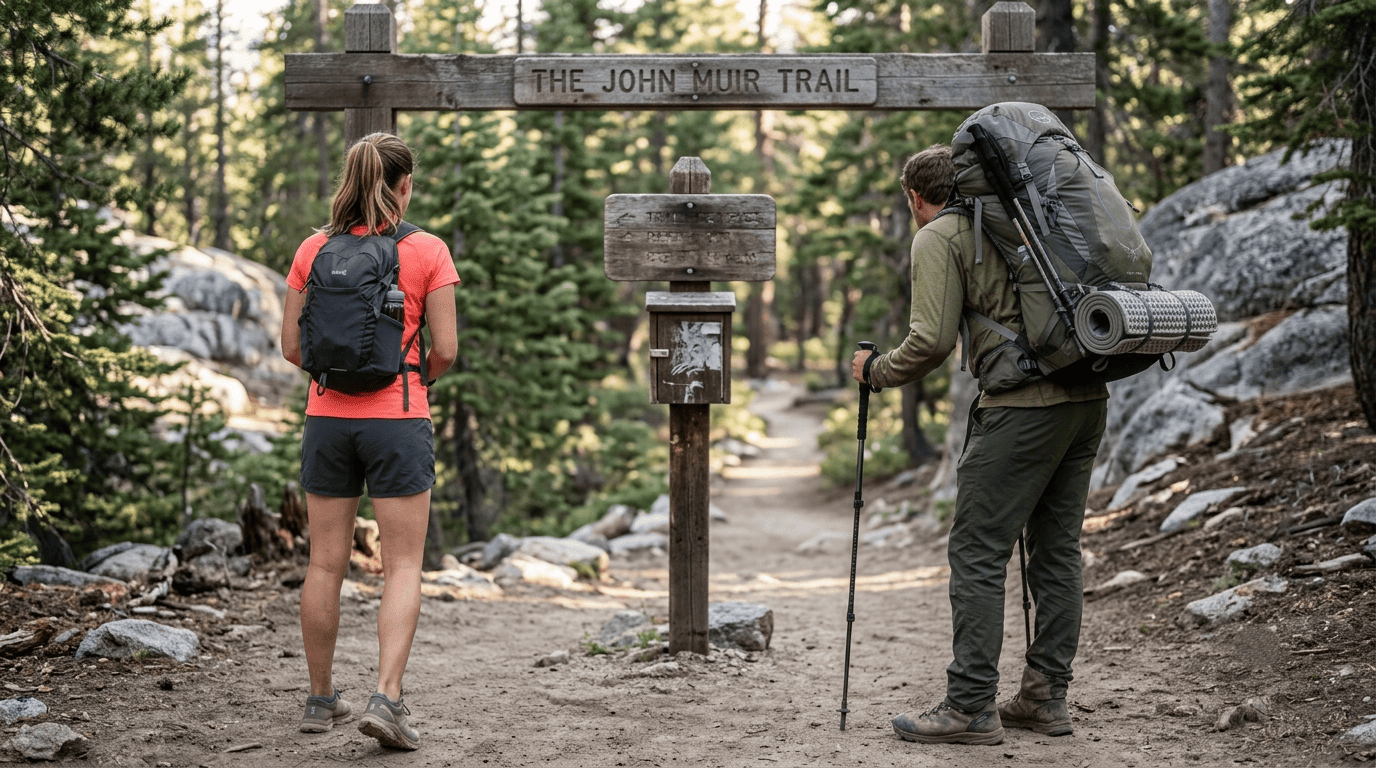
- The same California trail can be either one, Half Dome, and sections of the John Muir Trail serve day hikers and backpackers depending on your entry point and plan.
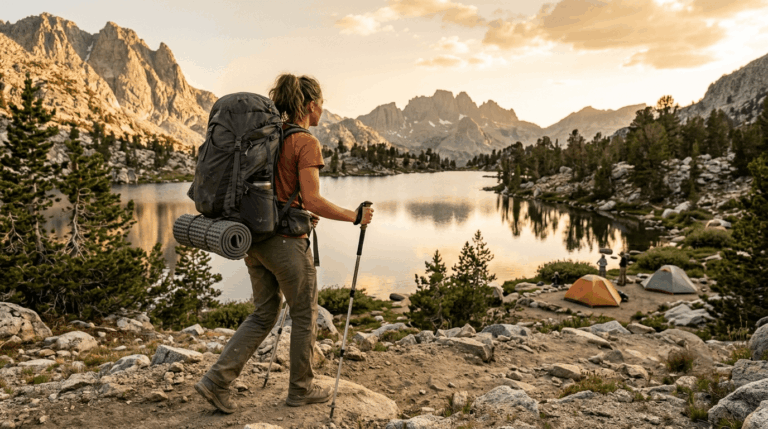
- Pack weight is the real divide: a day pack runs 5–15 lb, a loaded backpacking pack runs 25–45 lb, and that difference reshapes your pace, joints, and daily mileage.
- Day hikers typically cover more miles per day (8–12) than backpackers (6–10), since a heavy pack slows you down even though you’re out longer overall.
- Backpacking costs more upfront: tent, sleeping system, and stove, but day hiking’s ongoing cost (gas, day-use fees) adds up across enough trips to close the gap.
- Day hiking is the smarter starting point for almost every beginner, and the skills it builds transfer directly once you’re ready to add an overnight.
What is the core difference between day hiking and backpacking?
The line isn’t distance or difficulty; plenty of day hikes are harder than easy backpacking trips, and a flat overnight trail can be gentler than a strenuous single-day summit push. The real dividing line is whether you’re sleeping on the trail, which changes your permit category, your gear list, and your entire risk profile for the trip.
How day hiking and backpacking are defined in California’s parks and wilderness areas
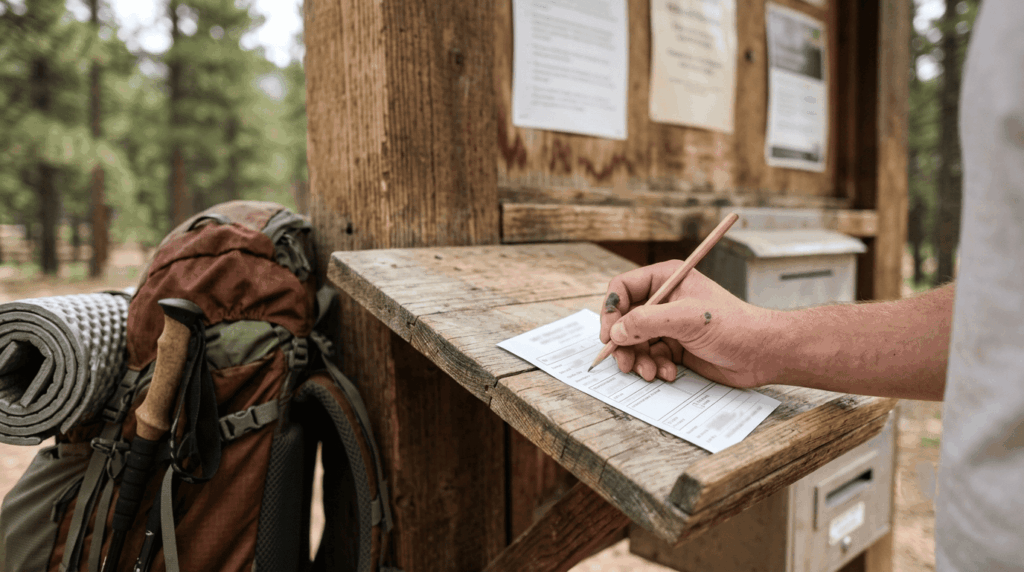
The NPS and USFS both draw the line at overnight stays: day-use trails need no special overnight permit, while any overnight stay in designated wilderness requires a wilderness permit, whether that’s a formal reservation or a self-registration station at the trailhead.
That permit category, not the mileage, is what determines whether you’re legally “day hiking” or “backpacking” on a given trip.
Why the same California trail can be either a day hike or a backpacking route
Half Dome and long sections of the John Muir Trail both work as single-day pushes for strong hikers or multi-day trips for everyone else. The trail doesn’t change, only your entry point, overnight plan, and permit do.
Understanding trail difficulty ratings helps you calibrate which approach is realistic for your fitness level. This is exactly why the “Is this trail a day hike or a backpacking trail?” question doesn’t have one universal answer.
Physical demands: how day hiking and backpacking differ in effort
Difficulty ratings measure the trail. They don’t measure what you’re carrying on it, which is where these two formats actually diverge.
How pack weight changes everything: day pack vs. full backpacking load
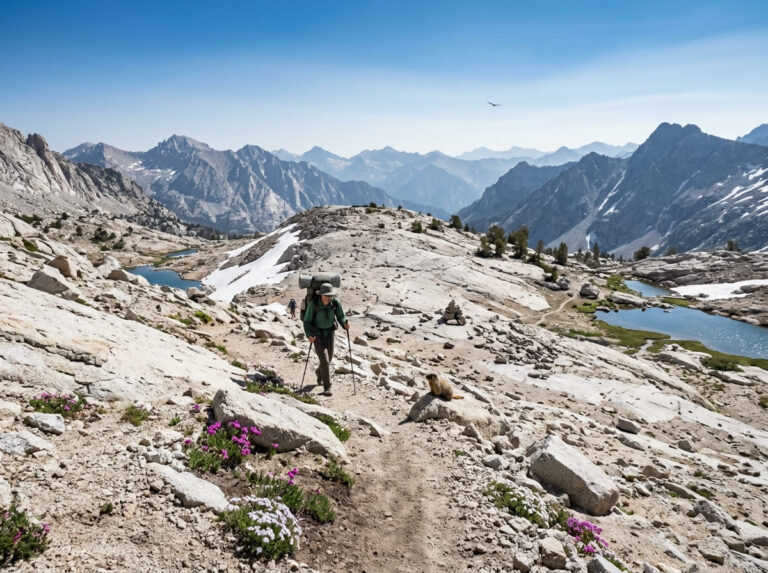
A day pack typically runs 5–15 lb; a loaded backpacking pack with food, shelter, and a sleep system typically runs 25–45 lb. That weight difference compounds over miles; it slows your pace, increases joint stress on descents, and burns meaningfully more calories per mile than the same trail hiked light.
It’s also the single biggest reason a “moderate” trail can feel strenuous the moment you add an overnight load to it, and why comparing two trips by trail name alone tells you less than comparing them by what’s actually on your back.
Miles per day: realistic distance expectations for both hiking styles in California
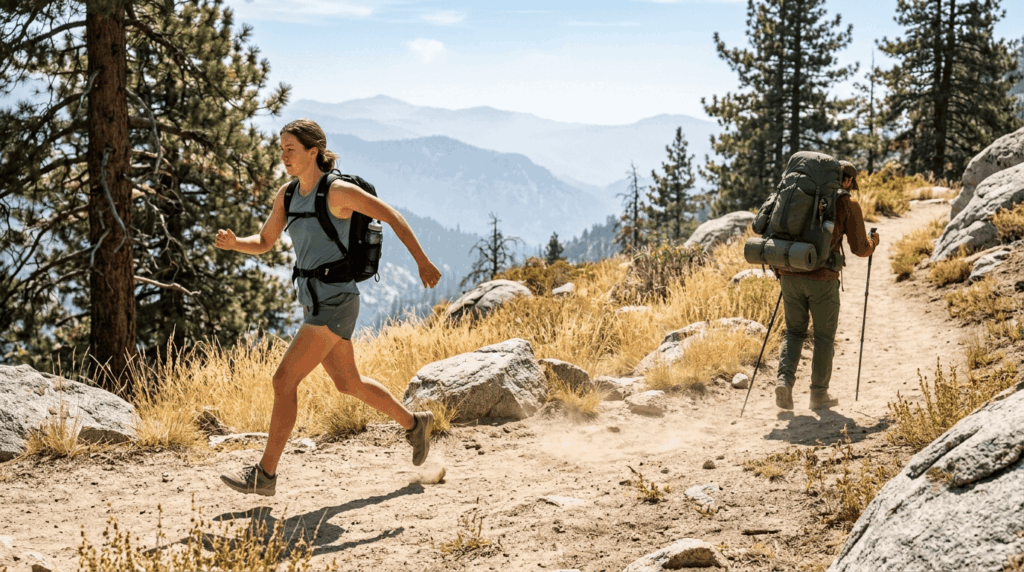
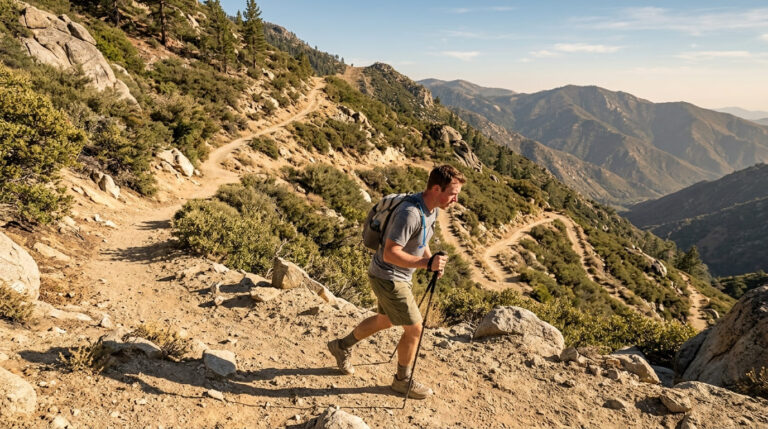
Day hikers typically cover 8–12 mi in a day unencumbered; backpackers, weighed down and pacing for multiple days, more commonly cover 6–10 mi per day even though their total trip mileage is often much higher.
Neither number is a hard rule; Sierra elevation gain adjusts both downward fast, and a fit backpacker on familiar terrain can easily beat these ranges.
Gear requirements: what you need for each hiking style
This is where the two formats stop looking like variations on the same activity and start looking like genuinely different hobbies.
The essential gear differences between a day hiker and a backpacker in California
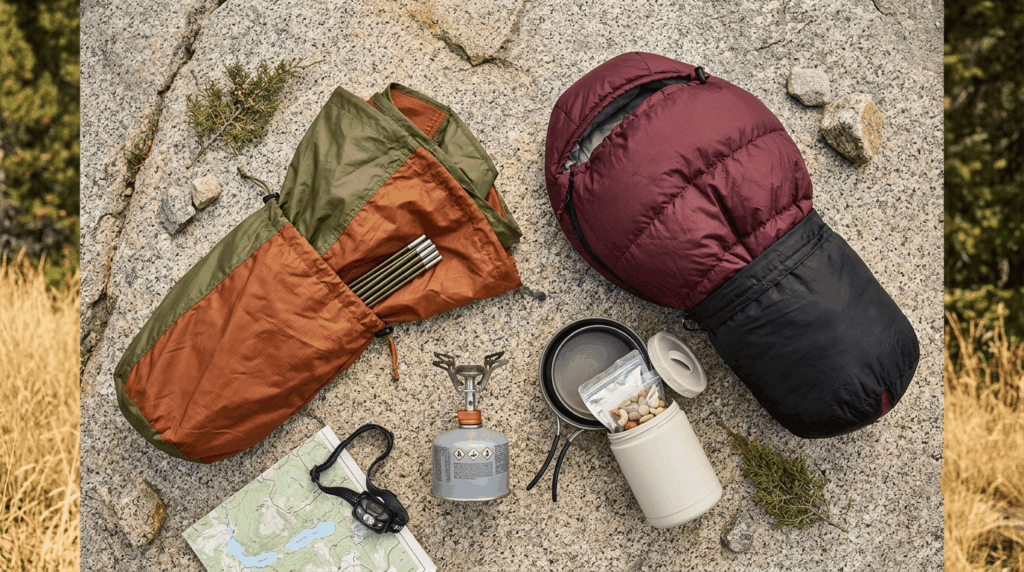
Backpacking adds a shelter, a sleep system rated for the elevation you’re camping at, a stove or cold-soak food plan, and in specific Sierra zones, a bear canister.
Day hiking’s Ten Essentials cover navigation, sun protection, insulation, illumination, first aid, fire, repair, nutrition, hydration, and emergency shelter, no camp system required. See the full breakdown in the hiking gear checklist.
How to upgrade your day hiking gear to start backpacking in California
Your day pack’s Ten Essentials mostly carry over unchanged; navigation, first aid, and sun protection don’t need a backpacking-specific version. What you’re actually buying new is the camp system: shelter, sleep setup, and cooking gear, plus a larger pack to carry it all.
Borrowing or renting that camp system for a first trip is a genuinely reasonable way to test backpacking before committing to buying it outright, and it’s how most experienced backpackers say they’d do it again if starting over.
Cost comparison: day hiking vs. backpacking in California
Backpacking’s upfront cost scares off a lot of first-timers, but the full financial picture is less lopsided than it first appears.
Permit costs and fees for overnight vs. day use in California’s wilderness areas
Most California day hikes are free beyond a possible day-use parking fee. Overnight wilderness permits typically run a per-person fee plus a reservation charge; Yosemite’s runs roughly $5 per person plus a reservation fee, figures worth confirming on Recreation.gov since park fee structures shift.
Half Dome specifically requires its own separate permit lottery (a non-refundable application fee, plus a per-person charge if you’re awarded a spot), regardless of whether you’re day hiking or backpacking it.
As of summer 2026, Yosemite has also dropped its timed-entry vehicle reservation requirement that shaped park access for the past several years, a real change worth knowing about if you’re planning a spontaneous day hike, though the entrance fee and wilderness/Half Dome permits are separate systems and still required either way.
Experience level: which style is right for you right now?
Neither format is inherently “better”; the right one depends on where your fitness, gear, and comfort level actually sit today, not where you’d like them to be.
Signs you are ready to move from day hiking to backpacking in California
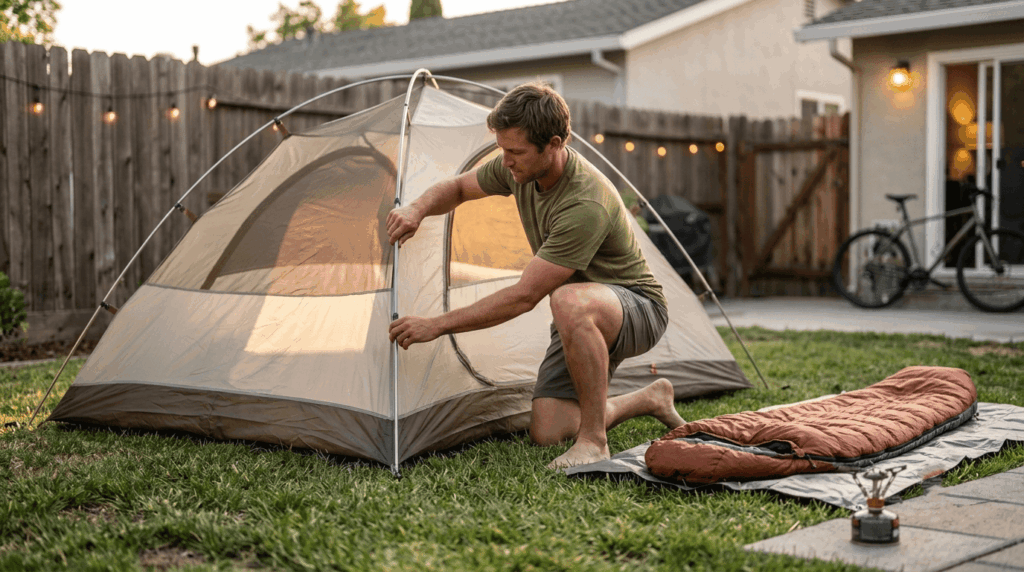
Comfortably completing 10+ mile day hikes, being confident navigating without cell signal, owning or being able to borrow the core camp gear, and pairing your preparation with insights from comprehensive backpacking field guides along with basic overnight-system practice (even a backyard test run) are the real readiness signals, not ambition alone.
If you’re missing more than one of these, that’s not a disqualifier, just a sign of what to shore up before your first overnight rather than during it.
Why day hiking is the smarter starting point for most California beginners
Day hiking costs less, commits you to less, and builds the fitness and navigation skills that make a first backpacking trip dramatically less overwhelming.
There’s no real downside to spending a season day hiking before adding an overnight; the skills transfer directly, and nothing about starting there closes off backpacking later. Review trail etiquette and terrain hazards before either style.
Best scenarios for day hiking vs. backpacking in California
| Day hiking | Backpacking | |
|---|---|---|
| Best for | Time-limited trips, families with young kids, first-time visitors | Remote lakes, summit sunrises, permit-limited backcountry zones |
| Typical cost | Low — gas and possible day-use fee | Higher upfront — gear investment plus permit fees |
| Gear needed | Ten Essentials only | Full camp system plus Ten Essentials |
| Permit complexity | Minimal to none | Wilderness permit required; some trailheads are lottery-only |
When day hiking is the better choice in California
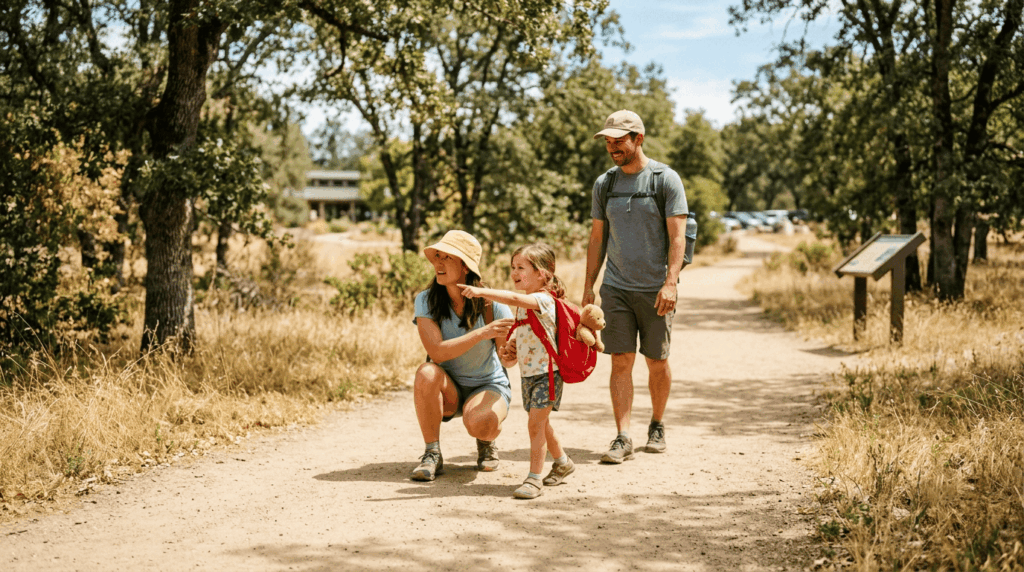
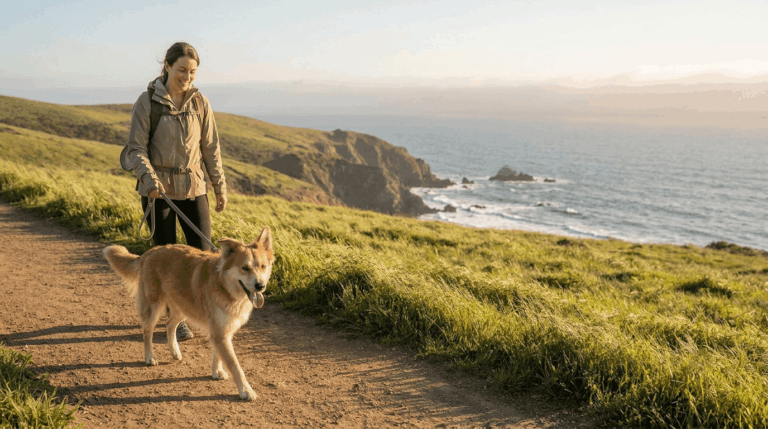
Time constraints, a family with young kids, or a first visit to a place like Yosemite, where you want to see the highlights without committing to a permit lottery, all point toward day hiking. It’s also simply enough; plenty of California’s best scenery is fully reachable without ever spending a night on trail.
When backpacking unlocks experiences day hikers can’t access in California
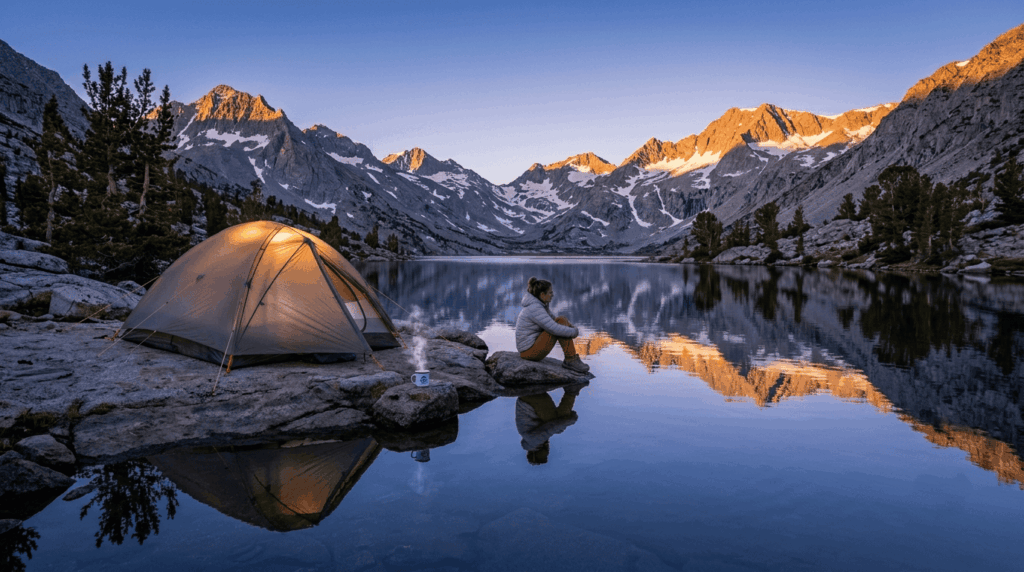
Remote alpine lakes, summit sunrises, and low-traffic backcountry zones are the real payoff of backpacking, places a day’s round-trip mileage simply can’t reach.
If solitude and remote scenery matter more to you than convenience, that’s the trade backpacking is actually making. For a deeper dive into first-time backpacking, see the California beginner’s backpacking guide.
Neither format is the “real” way to experience California’s trails; they’re different tools for different trips. Start with day hiking if you’re newer to this, add backpacking once the readiness signs above actually apply to you, and let the specific trail and season, not a sense of obligation, decide which one fits your next trip.
Frequently asked questions about backpacking vs. day hiking in California
How do I find backpacking trails in California?
Start with the managing agency’s own trip-planning pages, NPS or USFS, for wilderness areas near you, then cross-check trailhead quotas on Recreation.gov before picking a specific route; popular trailheads fill fast in lottery season.
What should I pack for a backpacking trip in California?
Everything from your day hiking Ten Essentials plus a shelter, a sleep system rated for your camping elevation, a stove or cold-soak food plan, and a bear canister if your route requires one.
Do I need a permit for overnight backpacking in California?
Yes, nearly all overnight stays in California wilderness require a wilderness permit, either through reservation or trailhead self-registration. Day hikes on the same trails typically don’t need one.
How heavy should my backpacking pack be for a California hike?
Most loaded backpacking packs run 25–45 lb depending on trip length and season gear. Lighter is generally better for enjoyment and joint stress, but don’t cut the Ten Essentials or your sleep system to hit an arbitrary weight target.
Is backpacking harder than day hiking in California?
Generally, yes, mile for mile, because of the added pack weight, but a short, easy backpacking trip can be less demanding than a long, strenuous day hike. Compare the specific trip, not the category.
Can a beginner go backpacking in California?
Yes, with the right first trip, short mileage, a known trail, good weather, and ideally an experienced partner or borrowed gear. Jumping straight into a remote, multi-day Sierra route as a first backpacking trip is where beginners run into real trouble.