Best Hiking Trails for Solo Hikers in California
Finding the right hiking trails for solo hikers in California is safer than most people assume, and the reason has less to do with luck than with preparation gaps. It’s not mountain lions or bears that get people into real trouble; it’s a rolled ankle with no one around, a wrong turn with no downloaded map, or an afternoon that runs longer than the daylight allows.
Disclosure: Please note that some of the links below are affiliate links and at no additional cost to you, I may earn a commission. Know that I only recommend hiking gear I personally stand behind; when you use my affiliate links, it helps me run this blog and keep all of this content free of charge for readers (like you).
Get those three things right, and California’s trail system is genuinely one of the best places in the country to hike alone, with enough well-trafficked, well-signed routes that a first-timer never has to start on something remote. Review the baseline preparation in our hiking safety guide.
Key takeaways:
- The real risks of solo hiking are injury, getting lost, and weather exposure, not wildlife attacks, which are statistically rare enough to barely register next to the other three.
- A float plan is the single highest-value habit for any solo hiker: tell someone your trailhead, route, and expected return time before every hike, no exceptions.
- A satellite communicator like the Garmin inReach Mini is worth the cost the moment your route goes anywhere without reliable cell coverage.
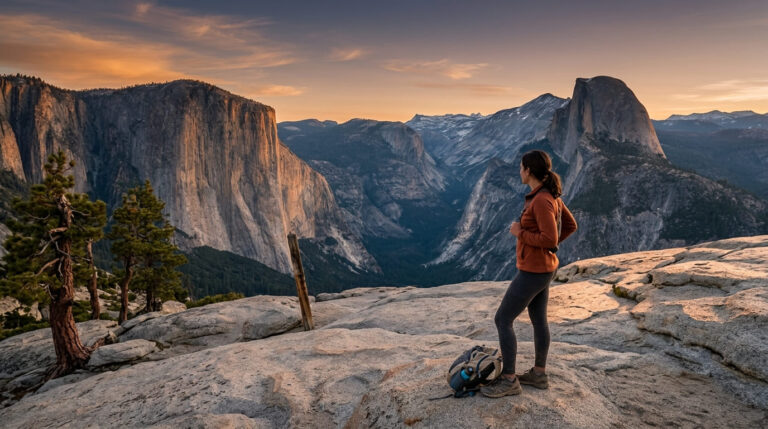
- Half Dome solo is higher-consequence than Whitney solo; the cables demand upper-body strength with no one to help if you slip, while Whitney’s trail sees enough steady traffic that solo hikers are rarely truly alone.
- Pepper and bear spray rules vary by park; both are broadly legal in California, but Yosemite specifically prohibits carrying either one, so check the specific park before you pack it.
Is solo hiking in California safe? Setting realistic expectations
California’s trail system is heavily used, well-signed, and on the popular routes at least rarely empty enough that you’re truly isolated for long. That doesn’t mean solo hiking is risk-free, but the actual risk profile looks different from what most people picture before their first solo trip.
The real risks of solo hiking in California vs the perceived ones
The risks people worry about mountain lion attacks, getting lost forever, and encountering a stranger with bad intentions are all real but statistically rare, especially on the kind of well-trafficked trails most solo hikers actually use. The risks that actually cause solo hiking emergencies are far less dramatic: an injury with no one nearby to help, taking a wrong turn without a downloaded map to correct course, or underestimating how fast weather or darkness can close in.
Calibrating your preparation around the boring risks rather than the dramatic ones is the single biggest safety upgrade available to any solo hiker, and it costs nothing beyond a bit of planning before you leave the house.
Solo hiking vs group hiking in California: what you gain and give up
Solo hiking gets you pace freedom, real solitude, and a kind of decision autonomy no group consensus needed on when to turn around or which side trail to take. What you give up is shared rescue capacity: if something goes wrong, there’s no one immediately there to help or go for help. Neither style is objectively better; it’s a genuine trade-off between the depth of the solo experience and the safety margin a group provides.
Essential safety rules for solo hiking in California
A short list of habits accounts for most of the risk reduction available to a solo hiker, none of it complicated, all of it easy to skip if you’re in a hurry to hit the trail.
The solo hiker’s float plan: why you must tell someone before every hike
A float plan is simple: tell someone your trailhead, your planned route, your expected return time, and what they should do if they haven’t heard from you by a specific point.
Text or email works fine, and apps like AllTrails let you share your live route with a contact directly, which removes the “did I forget to tell someone” risk entirely. This single habit is what turns a solo injury from a multi-day search into a same-day rescue.
Best navigation tools for solo hikers in California
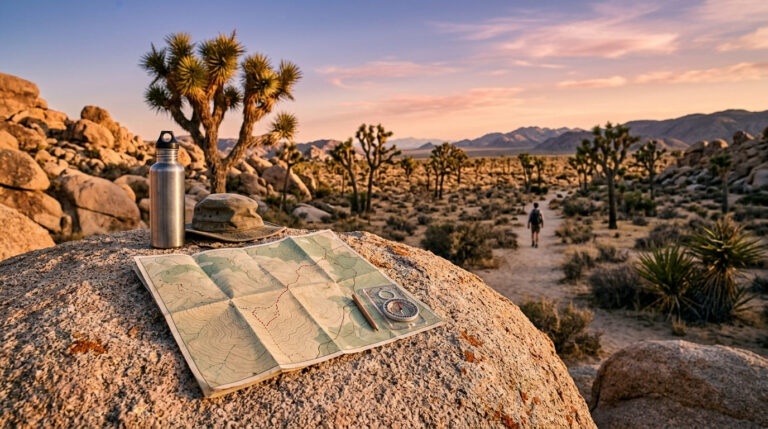
A satellite communicator like the Garmin inReach Mini earns its cost the moment your route goes anywhere without reliable cell service; it gives you an SOS button and two-way messaging when a phone alone would leave you stranded. Offline Gaia GPS maps, downloaded before you lose signal, are the next layer, and a paper topo map is worth carrying as a last-resort backup that never runs out of battery.
A personal locator beacon (PLB) is a solid alternative if you’d rather not pay a subscription fee for a communicator. Before packing, cross-reference our hiking gear checklist to make sure you have the rest of the Ten Essentials.
Best easy solo hiking trails in California
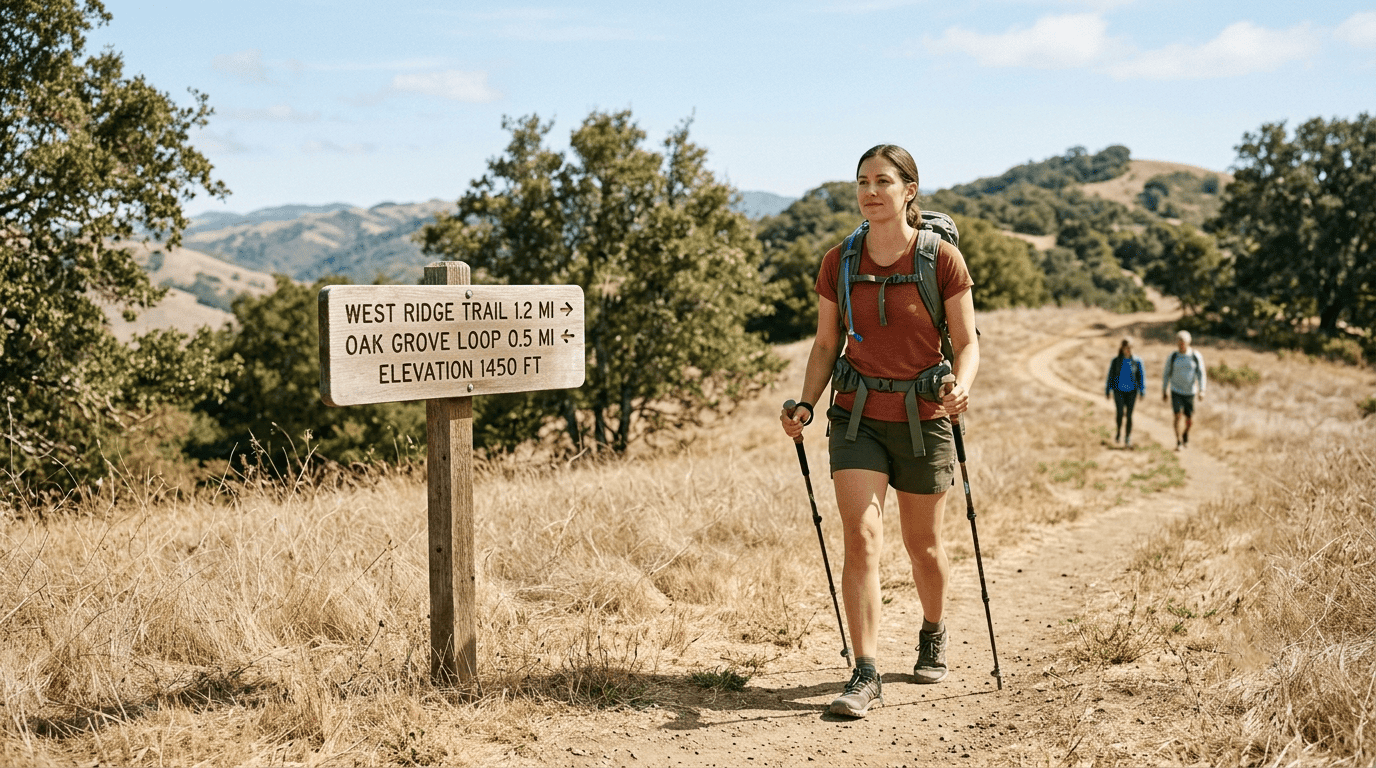
The best trails for a first solo hike share three traits: heavy foot traffic, clear signage, and reliable cell coverage exactly the conditions that make a minor mistake easy to recover from. For other options, see our best beginner hiking trails guide.
Best easy solo hikes in the Bay Area
Tennessee Valley in Marin is a Bay Area solo hiking staple, popular, well-signed, and with cell coverage and ranger presence the whole way. Coyote Hills Regional Park in Alameda offers a flat, open trail with year-round accessibility and rarely feels remote. Lands End in San Francisco pairs dramatic coastal views with the reassurance of other people nearby at almost any hour.
Best easy solo hikes in Southern California
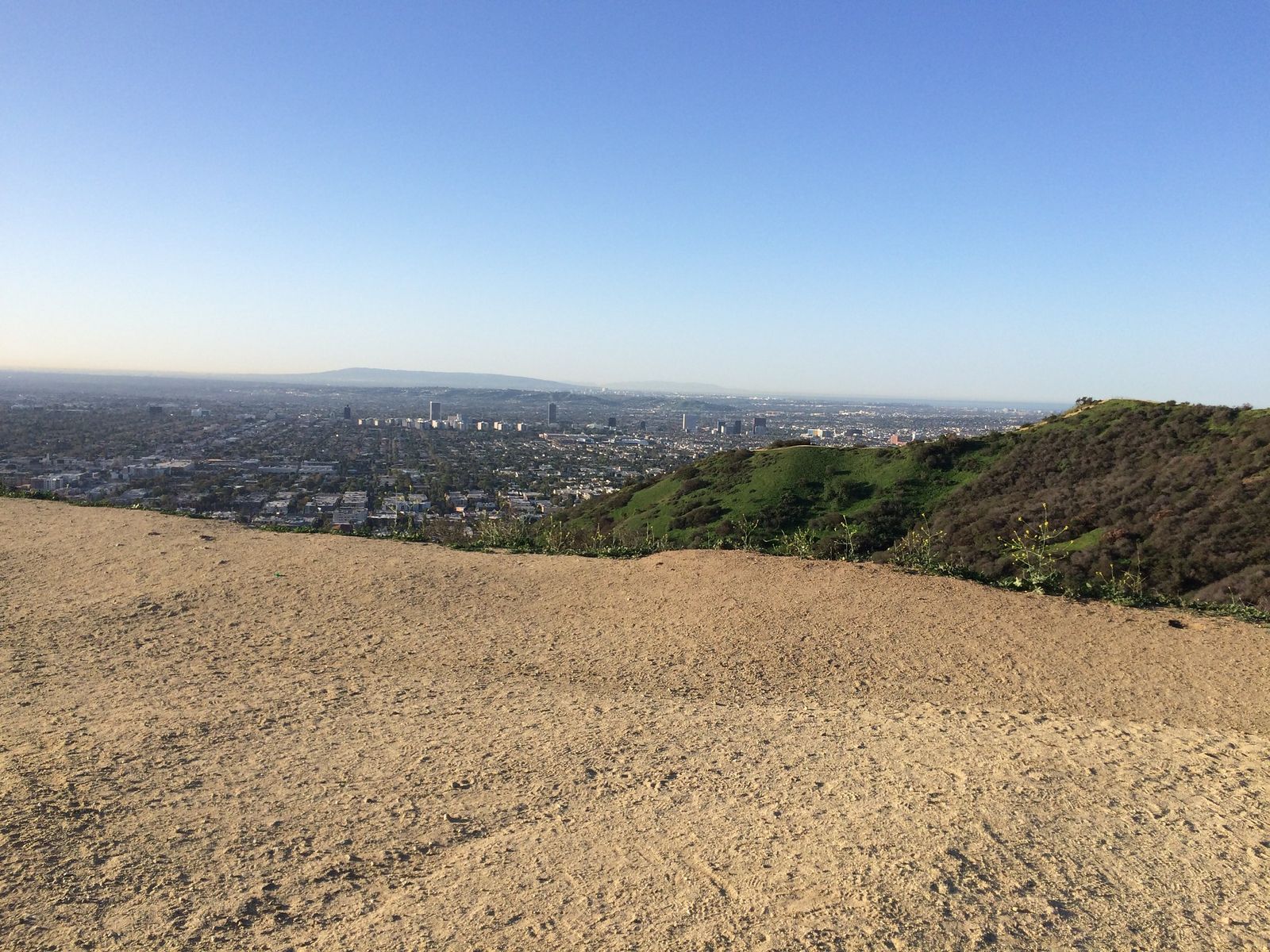
Runyon Canyon in LA is about as low-risk as solo hiking gets busy, dog-friendly, and never genuinely isolated. Solstice Canyon in Malibu benefits from regular ranger patrols, and Torrey Pines in San Diego combines coastal scenery with short trails and steady foot traffic. For leash laws and pet-friendly regulations on these trails, consult our hiking trail etiquette guide.
Best advanced solo hiking trails in California
Once you’ve built real solo experience, established routes with good waymarking and well-understood hazards are where to push further, not unmarked backcountry. Review the state’s most challenging options in our best advanced hiking trails guide.
Is it safe to solo hike Half Dome or Mount Whitney in California?
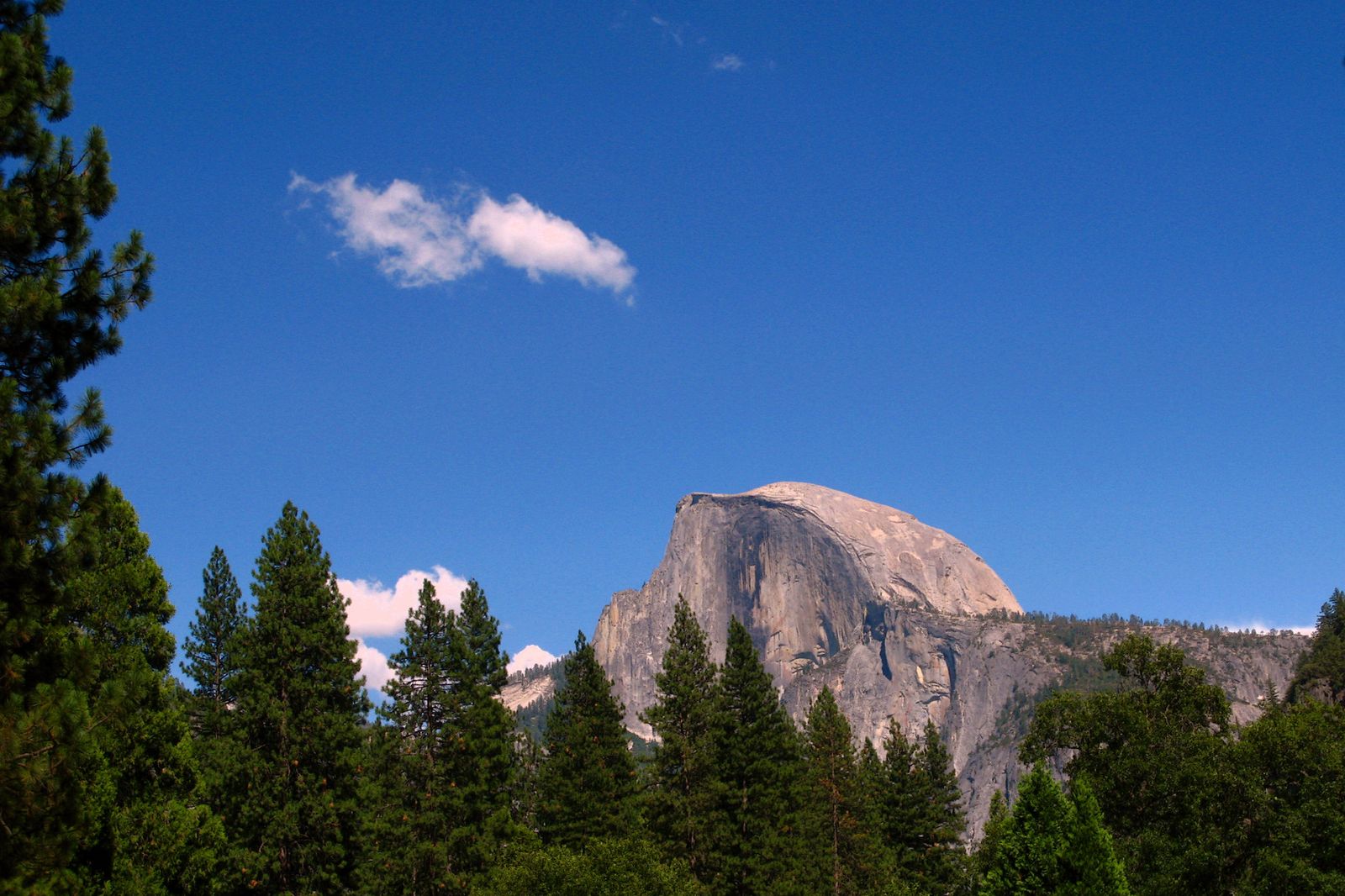
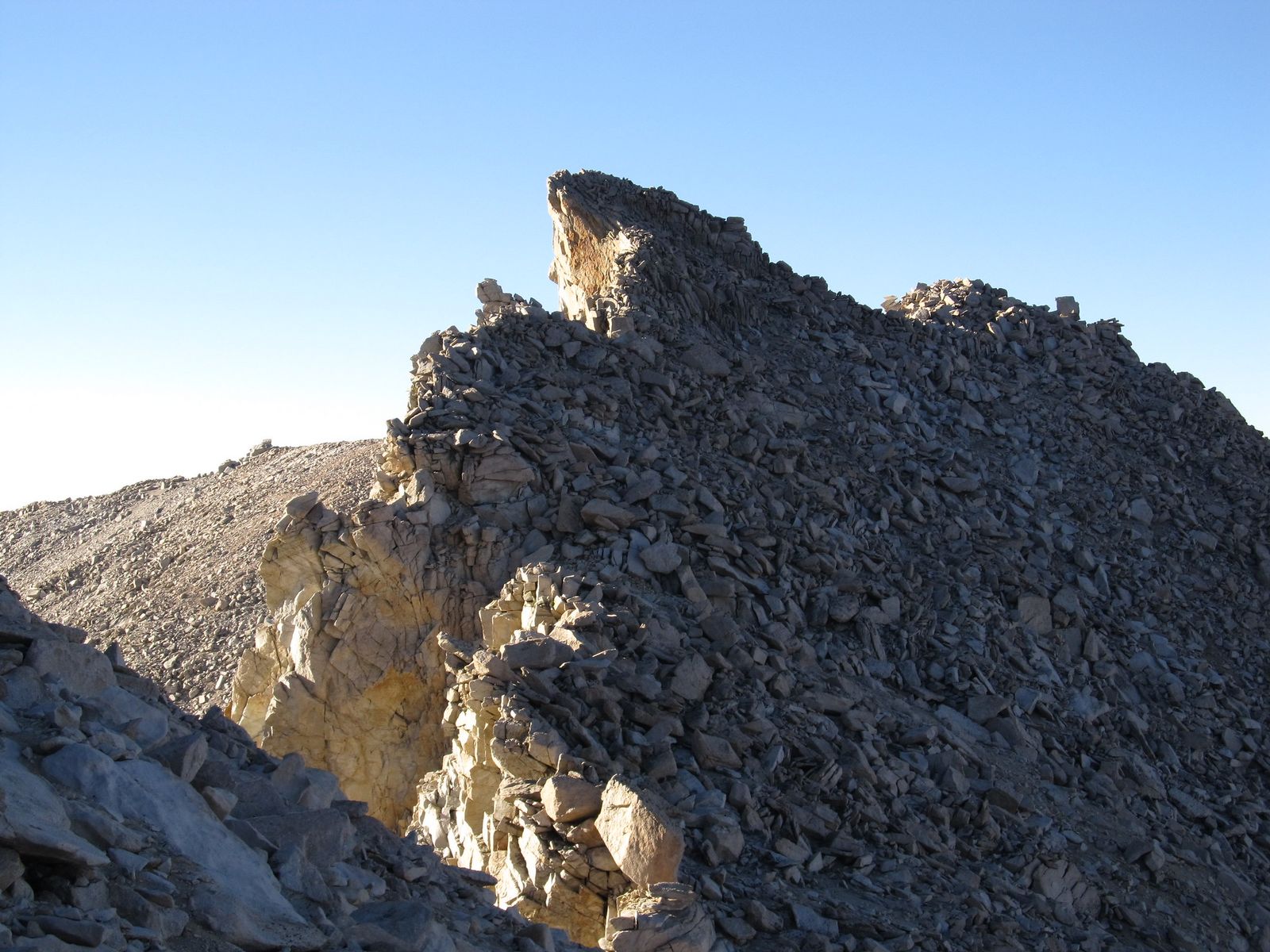
Half Dome is technically doable solo, but the cables section raises the stakes: a slip there has no one immediately available to help, and the consequence of a mistake is more severe than almost anywhere else on this list. Whitney solo is far more common and generally better supported in practice, simply because enough people are on the trail on any given permit day that you’re rarely truly alone even when hiking “solo.”
Both still require the standard permit and a realistic fitness assessment before you commit. You can read the specific regulations in our Yosemite hiking trails guide.
Solo female hiking in California: tips, trails, and safety
The core safety principles are the same as for any solo hiker, with a few practical additions worth calling out directly rather than leaving unsaid.
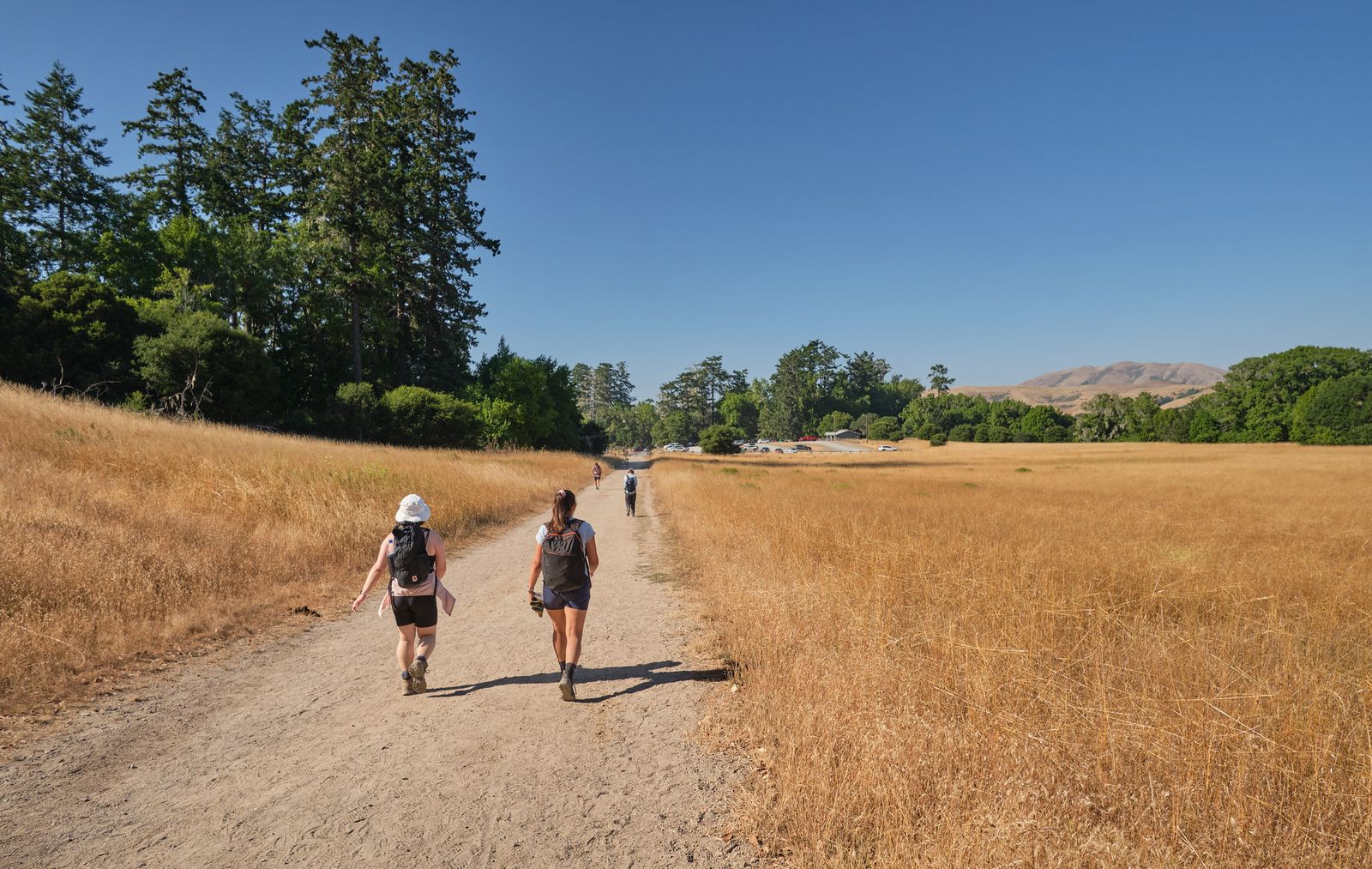
Trust your instincts over social politeness. If a trailhead or a specific stretch of trail feels wrong, turn around; no explanation is owed to anyone. Choose busier trails, especially for a first solo outing, and avoid starting a remote trail right at dusk when you’d be finishing in fading light with fewer people around. Share your route visibly with a contact before you go, the same float plan every solo hiker should be using.
On pepper spray: it’s broadly legal in California, but rules vary by land manager. Yosemite specifically prohibits carrying pepper spray or bear spray at all, so check the specific park’s rules rather than assuming your usual choice applies everywhere.
Best trails for solo female hikers in California
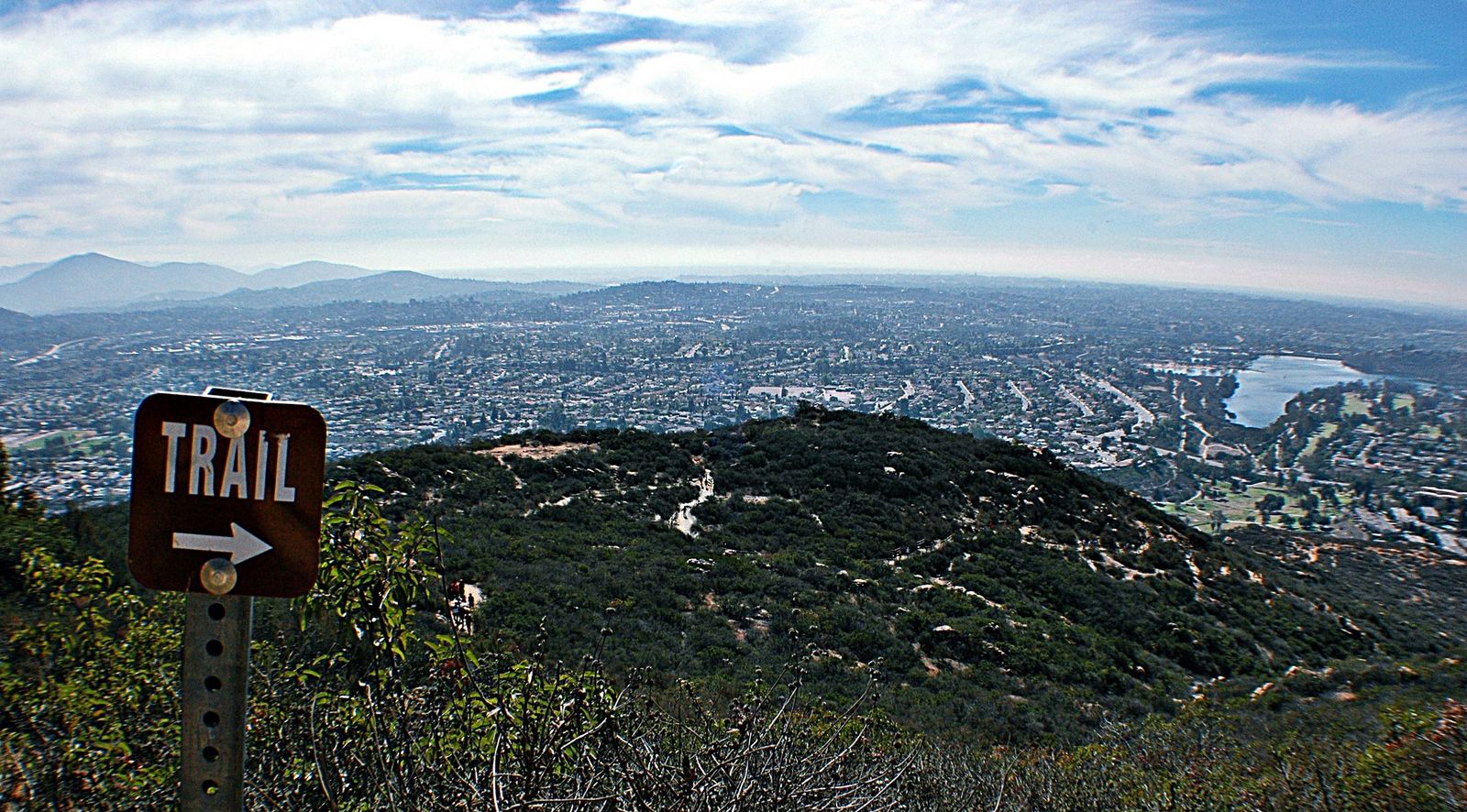
Muir Woods and Point Reyes’ Bear Valley Trail both combine ranger presence with steady visitor traffic. Crystal Cove in Orange County and Mission Trails in San Diego round out a solid list of busy, well-signed trails where solo hiking rarely means true isolation. For details on visiting Crystal Cove, see our state parks hiking guide.

Apps and tools that make solo hiking safer in California
A handful of apps do most of the safety work modern solo hikers rely on, often for free.
AllTrails’ live route-sharing feature lets a contact watch your progress in real time without you doing anything beyond turning it on before you start. Strava Beacon offers a similar live-location feature for anyone already using that app to track runs or hikes. What3words gives you a precise, three-word location you can read out in an emergency call instead of trying to describe your position by trail markers.
And in many California counties, texting 911 is now a real option when a voice call won’t connect, but a text still gets through on a weak signal. You can also wear a GPS running watch or carry a hiking compass as back-up tools.
Solo hiking in California rewards preparation more than luck. A float plan, the right navigation backup, and an honest read on which trails match your current experience level cover most of the actual risk. Start on the busy, well-signed trails on this list, build up to the bigger objectives once solo hiking feels routine rather than novel, and let the solitude be the reward it’s meant to be rather than something you’re gambling on.
Frequently asked questions about solo hiking in California
Is it safe to go hiking alone in California?
Generally, yes, especially on well-trafficked trails with good cell coverage, the real risks are injury, getting lost, and weather exposure rather than wildlife or crime. A float plan and basic navigation backup address most of what could actually go wrong.
What should a solo hiker always carry in California?
A downloaded offline map, a way to share your location or call for help (a satellite communicator if you’re off cell coverage), and enough water and layers for longer than you expect to be out. A float plan shared with someone before you start matters as much as anything in your pack.
Do I need a satellite communicator for solo hiking in California?
If your route has reliable cell coverage the whole way, probably not, but the moment you’re heading somewhere remote or off the main trail corridors, a device like the Garmin inReach Mini is worth the cost. It’s the difference between being stranded and being found quickly if something goes wrong.
Is solo female hiking safe in California?
Yes, with the same core precautions any solo hiker should take, plus choosing busier trails and trusting your instincts over politeness if something feels off. Trails like Point Reyes’ Bear Valley Trail and Crystal Cove combine ranger presence with steady foot traffic, which makes them solid starting points.
Can I solo hike Half Dome in Yosemite?
Yes, but the cables section raises the consequences of any mistake since there’s no one immediately there to help if you slip. Mount Whitney is generally considered lower-stakes for solo hikers simply because more people are typically on the trail at once.
What apps should I use to stay safe while hiking alone in California?
AllTrails’ live route-sharing and Strava Beacon both let a contact track your location in real time, and what3words gives emergency responders a precise location if you need to call for help. Downloading offline maps through Gaia GPS before you lose signal rounds out the essential app list.