Best Hiking Trails for Beginners in California
The hardest part of a first hike usually isn’t the trail, it’s picking one that won’t turn you off the sport entirely. California has an enormous range of genuinely beginner-friendly trails, but they’re easy to miss under all the Half Dome and Mount Whitney content dominating most searches. A bad first experience, picked because a trail “looked easy” in a photo, is one of the most common reasons people never try hiking a second time. This guide highlights the Best Hiking Trails for Beginners to ensure your first outing is safe, fun, and memorable.
Disclosure: Please note that some of the links below are affiliate links and at no additional cost to you, I may earn a commission. Know that I only recommend hiking gear I personally stand behind; when you use my affiliate links, it helps me run this blog and keep all of this content free of charge for readers (like you).
Here’s how to actually pick a first trail, plus the best beginner routes by region, from Bay Area coastline to Sequoia’s giant trees. To understand the baseline anatomy of what you’ll encounter, read our guide on what a hiking trail actually is.
Key takeaways
- A true beginner trail is under 5 miles round trip, under 500 ft of elevation gain, well-marked, and on a maintained surface, distance alone doesn’t determine whether a trail is beginner-friendly.
- For your very first hike, aim even smaller: 2–4 miles, under 300 ft of gain, ideally on dirt or gravel with some shade.
- Every California region has a legitimate beginner option, coastal Bay Area trails, LA canyon hikes, and even national park trails like Sequoia’s Congress Trail.
- Muir Woods requires a reservation for both parking and the shuttle, every single day of the year, there’s no walk-up option at any time, unlike many other beginner-friendly trails.
- Runyon Canyon looks easy and isn’t entirely, its 800 ft of gain over a 3.5-mile loop surprises a lot of first-timers who judge it by its popularity alone.
- The single best beginner habit to build early: turn around at the halfway point in time, not distance, since fatigue on the way back is what actually causes most beginner trouble.
What makes a trail beginner-friendly? The criteria we use in California
Not every short trail is actually easy, and not every easy trail is actually short, real beginner-friendliness comes down to a specific combination of factors, not any single one: distance, elevation gain, surface, marking, and navigation reliability all matter together. A well-marked 4-mile flat loop is a far better first hike than a 2-mile trail with a scramble section near the top.
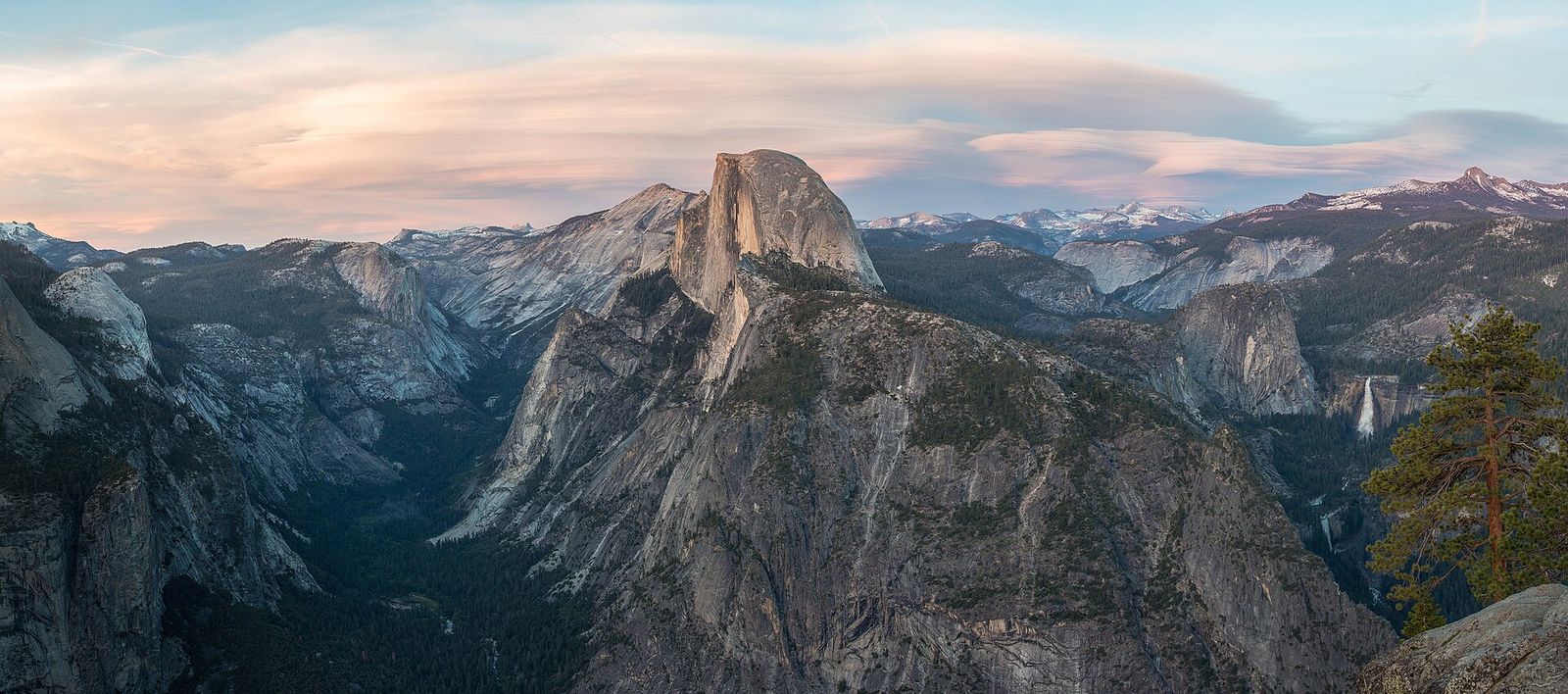
How to choose your first hiking trail in California: 5 questions to ask
Ask how long (2–4 miles is a smart ceiling for a first hike), how steep (under 300 ft of gain), what the surface is like (dirt or gravel beats loose rock or sand for a first outing), whether there’s shade, and whether you’ll have cell coverage in case something goes wrong. A trail that checks all five boxes is a genuinely safe bet regardless of what a difficulty label on an app says, and running through this checklist takes less time than reading a single trail review.
Best beginner hiking trails in the Bay Area and Northern California
The Bay Area’s mix of coastal headlands, redwood groves, and gentle regional parks makes it one of the most beginner-friendly hiking regions in the entire state.
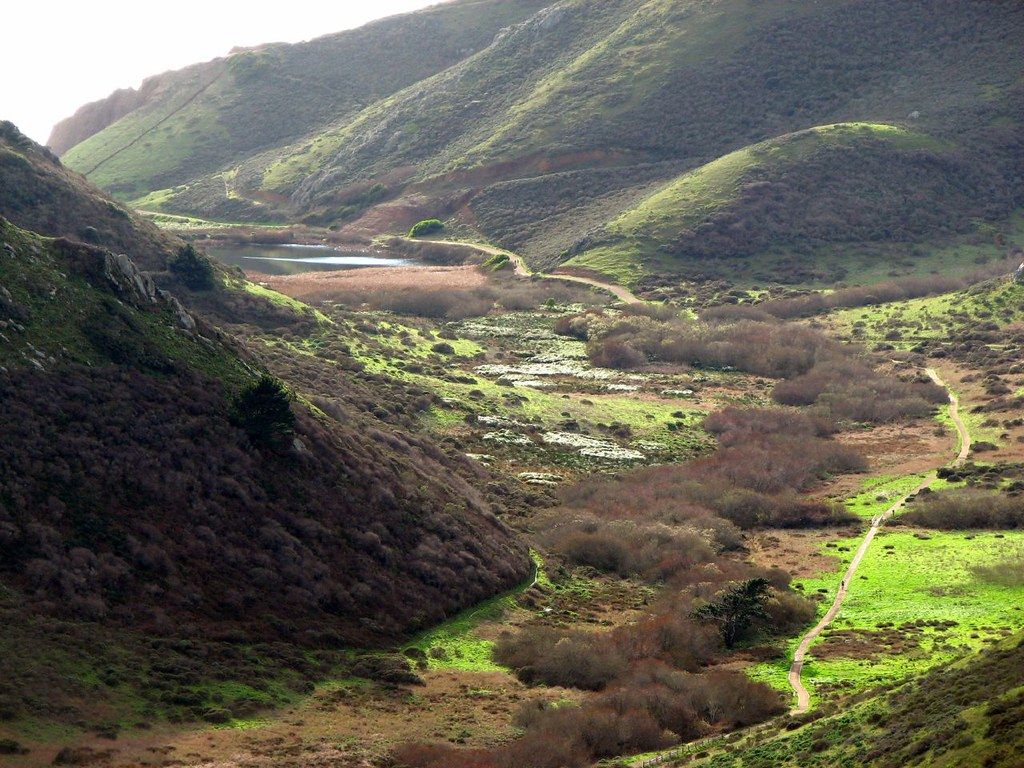
Tennessee Valley Trail: the Bay Area’s best beginner coastal hike
A 3.4-mile round trip through Marin Headlands’ flat valley terrain to a beach, with essentially no elevation gain and free parking at the trailhead. It’s open year-round and about as forgiving a first hike as the Bay Area offers, with genuine coastal scenery the whole way and a real payoff, the beach itself, that makes the flat approach feel worth the walk rather than just a warm-up.
Muir Woods Bootjack Trail: best beginner redwood forest hike in Northern California
A 2.7-mile loop with about 300 ft of gain through giant coastal redwoods, including boardwalk sections that make footing easy even for first-timers. Both a parking reservation and a shuttle reservation are required every single day of the year, there’s no walk-up option at any time, so book ahead through the park’s official reservation site regardless of when you’re planning to visit.
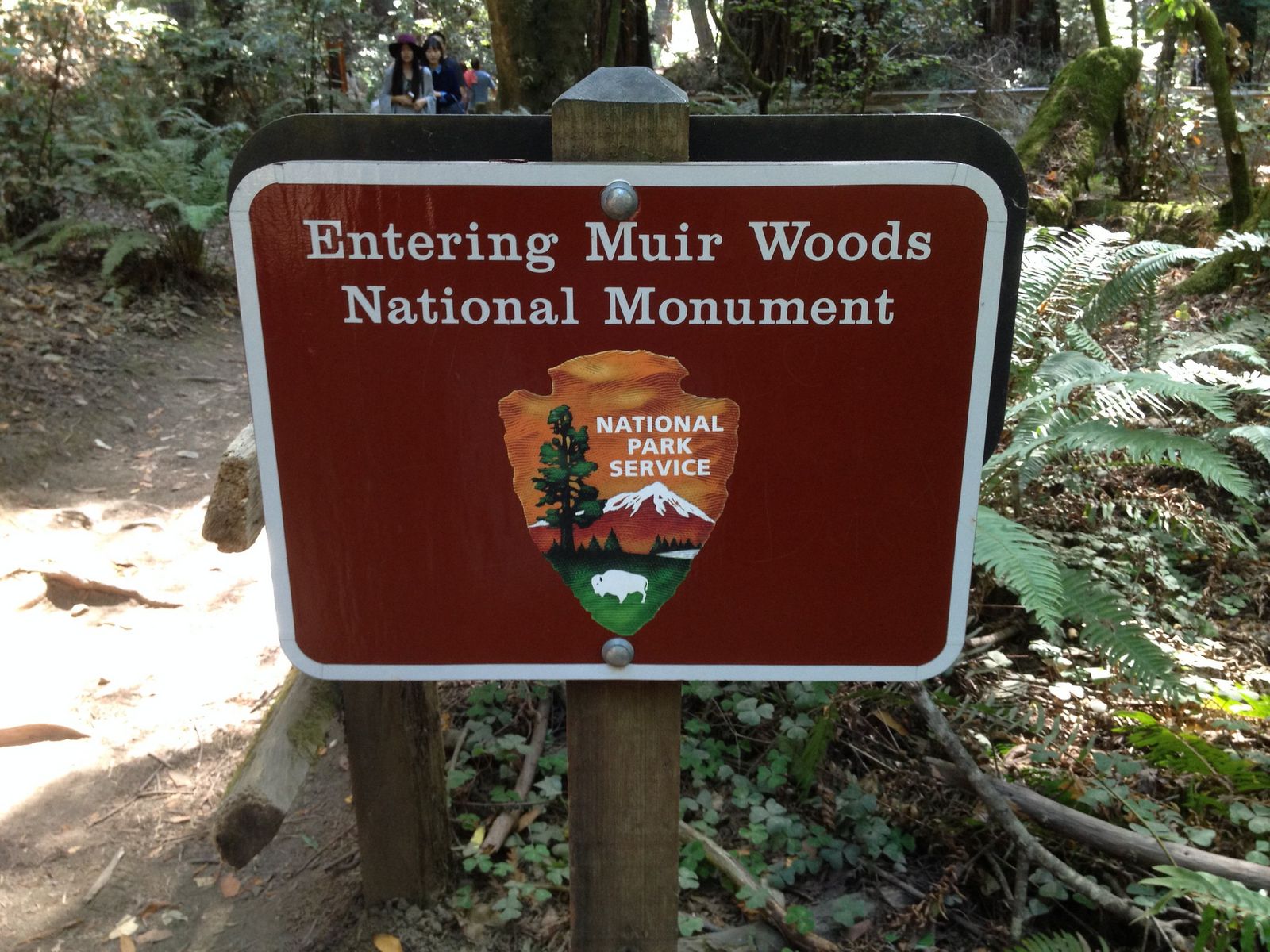
This catches a lot of visitors off guard, since many other beginner trails on this list need zero advance planning at all.
Best beginner hiking trails in Southern California
Southern California’s canyon trails put real scenery within a short drive of major cities, which makes them some of the most-visited beginner routes in the state, for better and worse, given how crowded some of them get.
Runyon Canyon Trail: Los Angeles’s most iconic beginner hike
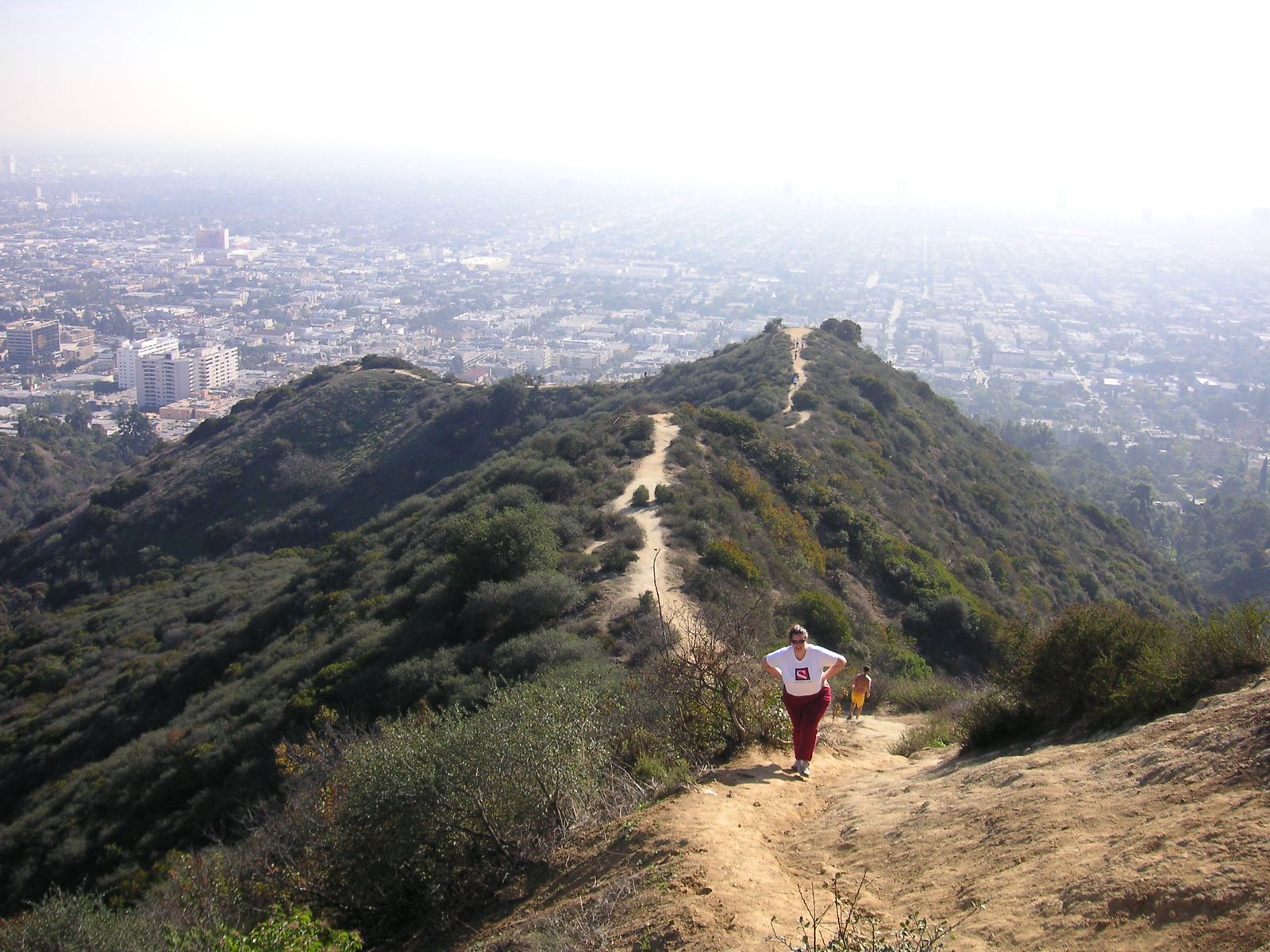
A 3.5-mile loop with about 800 ft of gain, genuinely harder than its reputation as a casual LA walk suggests, though well-marked throughout with a popular off-leash dog area and Hollywood sign views near the top. No reservation is required, but free parking near the Mulholland Drive trailhead is limited, so arrive early on weekends. First-timers who’ve heard “everyone hikes Runyon” sometimes assume that means it’s easy; treat it as a genuine beginner-to-moderate hike instead. For rules on hiking with pets, read our hiking trail etiquette guide.
Solstice Canyon Trail: Malibu’s best easy beginner hike
A 2.7-mile round trip with about 200 ft of gain along a year-round stream, passing the ruins of the historic Rising Sun House. It’s free, requires no reservation, and offers real shade for most of the route, which makes it one of the more forgiving Southern California options even in warmer months when other canyon trails turn into full sun exposure by mid-morning.
Best beginner hiking trails near California’s national parks
Big-name national parks intimidate a lot of new hikers, but nearly every one of them has at least one trail built for exactly this audience.
Congress Trail in Sequoia: the easiest beginner hike near giant sequoias
A 2-mile paved loop with no real elevation gain, passing the General Sherman Tree, the largest tree on Earth by volume, and several other named giant sequoias. It’s accessible via shuttle from Lodgepole in summer, making it one of the least intimidating ways to see genuinely massive trees anywhere in California.
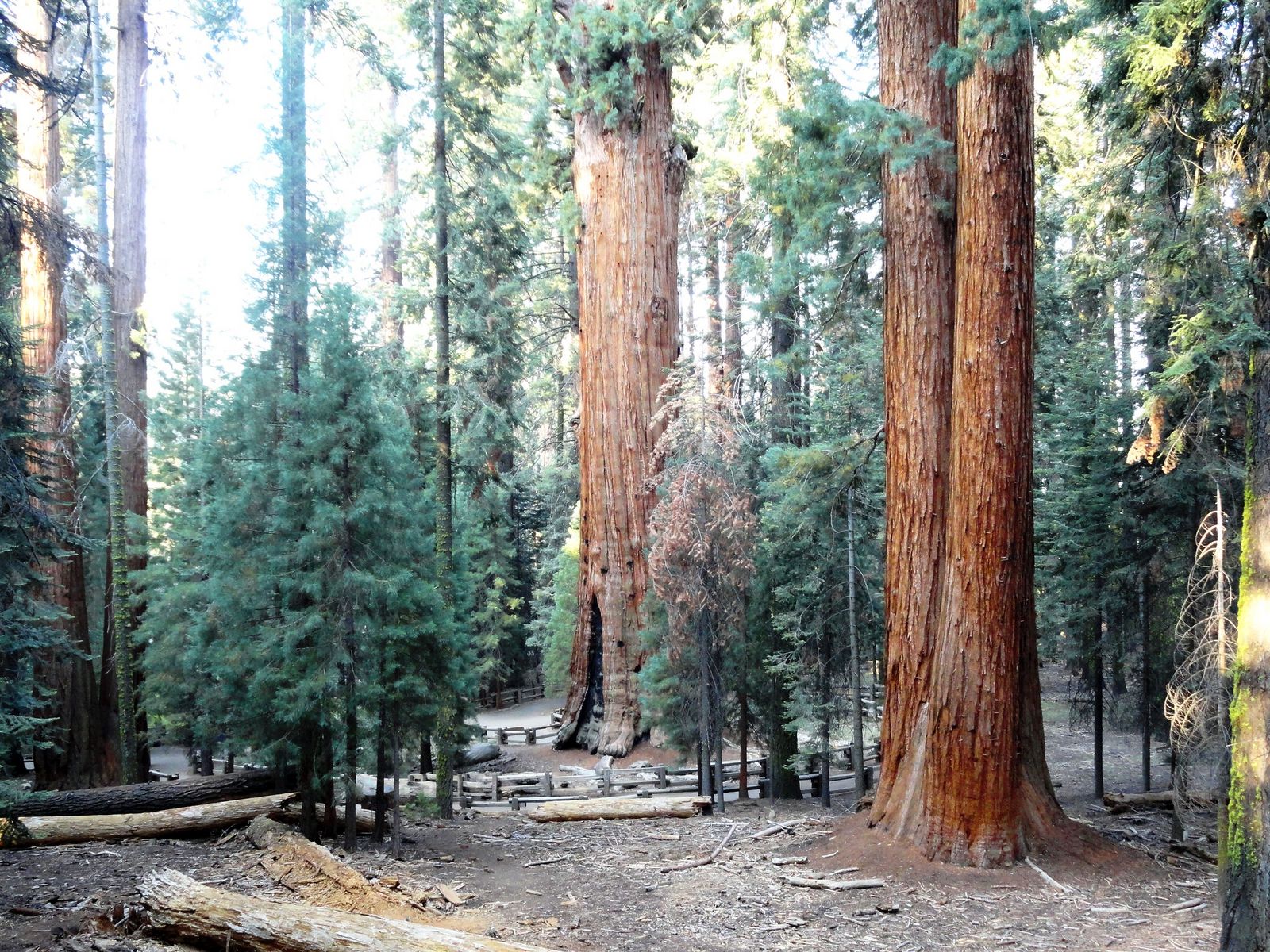
Other national parks offer similar zero-intimidation options worth knowing about: Yosemite’s Valley Floor Loop, Lassen’s Manzanita Lake Loop, Joshua Tree’s Skull Rock Nature Trail, and Pinnacles’ Bench Trail all deliver real national park scenery without demanding real hiking experience.
Best beginner hiking trails in the Sierra Nevada foothills
Gold Country’s foothill trails offer an underrated middle ground between coastal ease and high-Sierra elevation, Mariposa Grove’s giant sequoias, Calaveras Big Trees’ old-growth groves, and the historic trail networks at Empire Mine and Marshall Gold Discovery State Historic Parks all combine gentle grades with genuine California history.
These trails work especially well for beginners who want a scenic payoff without the elevation gain that comes with hiking closer to Yosemite Valley or Tahoe itself, and most sit at a low enough elevation to stay hikeable well outside the peak summer season.
What to expect on your first hike in California: a beginner’s mindset guide
Start in the morning, when trails are cooler and less crowded. Use a time-based turnaround rule, head back at the halfway point of your planned time, not your planned distance, since fatigue compounds faster than most beginners expect and the return trip almost always feels harder than the way out.
It’s genuinely fine to go slow; nobody on the trail is grading your pace, and difficulty ratings are guidelines, not a test you need to pass quickly. Most experienced hikers remember their own first hike as slower and more tiring than they expected, so there’s nothing unusual about needing more breaks than you assumed you would.
Essential gear for beginner hikers in California
Trail-appropriate shoes, at least 2 liters of water, sun protection, a snack, and a downloaded offline map are the real non-negotiables for a first hike. You don’t need a full gear closet to get started safely, and most of this is either free or something you already own. You can pick up a lightweight day pack or a basic water bottle to keep yourself hydrated.
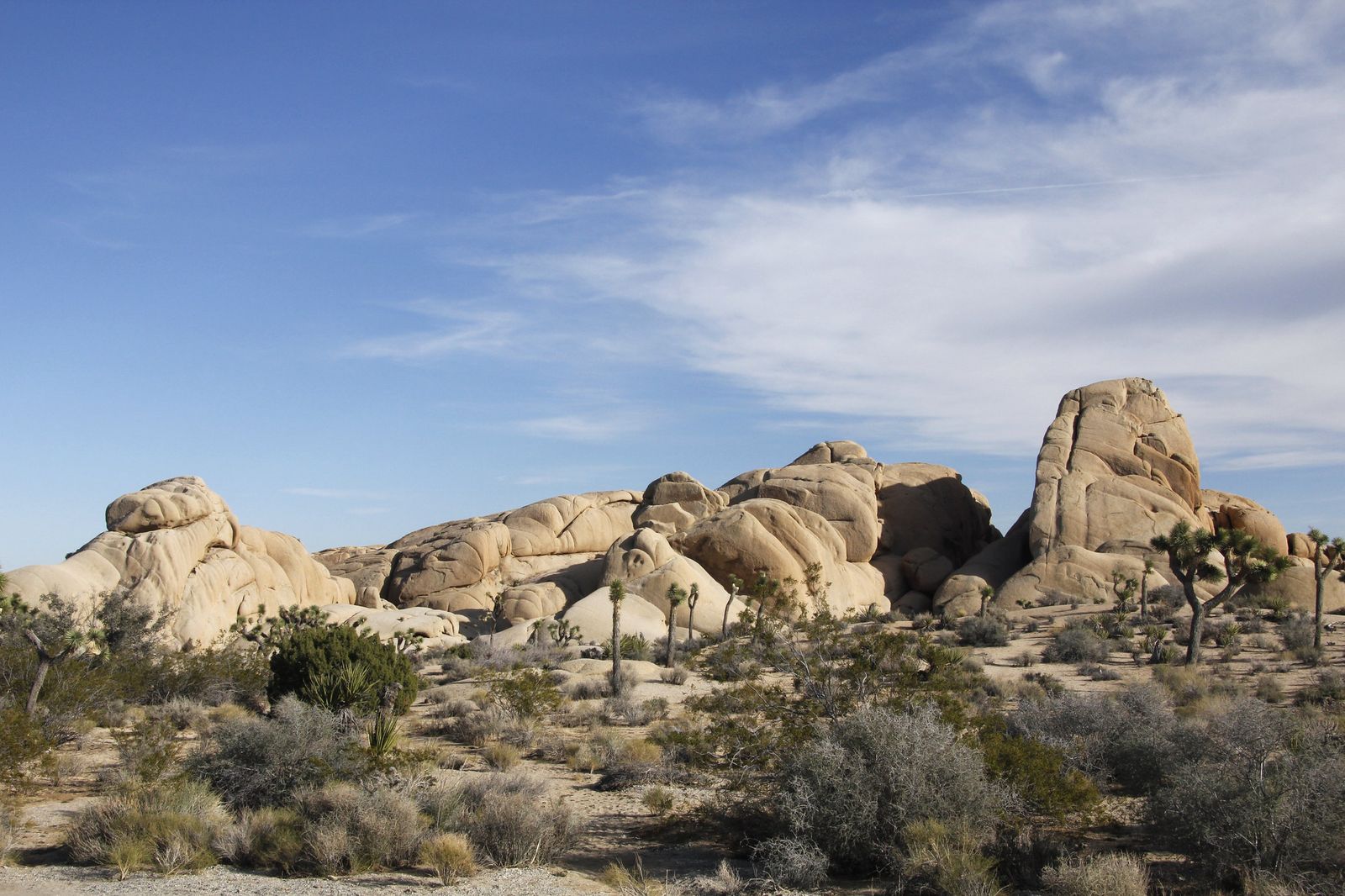
If you’re hiking somewhere that shifts between coastal fog and inland heat in the same day, pack a light layer even if the forecast looks simple; California’s microclimates catch beginners off guard more than any single piece of gear ever will, especially in the Bay Area where a sunny trailhead can sit just a mile from genuine fog.
The best first hike isn’t the most scenic one you can find, it’s the one that ends with you wanting to do it again next weekend. Pick a trail that matches your actual fitness rather than your ambition, build the turnaround habit early, and the harder trails, Yosemite, Joshua Tree, and beyond, will still be there once you’re ready for them. Most experienced California hikers started on exactly the kind of trail listed above, not a summit.
Frequently asked questions about beginner hiking trails in California
What should I bring on an easy beginner hiking trail in California?
At minimum: water, trail-appropriate shoes, sun protection, a snack, and a downloaded offline map. Even an easy, short trail deserves this basic kit.
What are the best easy hikes in California for beginners?
Tennessee Valley Trail in Marin, Solstice Canyon in Malibu, and Sequoia’s Congress Trail are all genuinely beginner-friendly, flat or near-flat, well-marked, and short enough to build confidence without overwhelming a first-timer. All three also happen to be free or low-cost, which matters if you’re not ready to invest in gear or reservations yet.
How long should a beginner hike be in California?
2 to 4 miles is a smart ceiling for a genuine first hike, with under 300 ft of elevation gain. You can extend from there once you know how your body handles a full outing, most beginners are surprised by how much a “short” hike with real elevation gain can take out of them compared to a longer, flatter one.