Thru-Hiking in California: A Complete Guide to Long-Distance Trails
Thru-Hiking in California means completing an entire long-distance trail end-to-end in one continuous trip, as opposed to section hiking, which covers the same trail in pieces over months or years, and California happens to host some of the best long-distance hiking in the country, from the Pacific Crest Trail’s 1,700-mile state crossing to the John Muir Trail’s 211-mile high-Sierra classic. I’ve spent four-plus years cataloging trails across this state, drawing inspiration from classic long-distance hiking memoirs and planning guides and long-distance hiking here rewards planning more than almost any other style of trip: permits, resupply, and training all have to come together months before your first step. This guide covers what actually goes into pulling it off.
Disclosure: Please note that some of the links below are affiliate links and at no additional cost to you, I may earn a commission. Know that I only recommend hiking gear I personally stand behind; when you use my affiliate links, it helps me run this blog and keep all of this content free of charge for readers (like you).
Key takeaways:
- Thru-hiking (continuous, end-to-end) and section hiking (completed in pieces over time) are both legitimate ways to finish a long trail, neither is “more real” than the other.
- The PCT’s California section runs roughly 1,700 of the trail’s 2,650+ total miles; the JMT is 211 miles, largely overlapping the PCT’s Sierra stretch.
- JMT permits are genuinely hard to get, Yosemite’s rolling lottery and Whitney Portal’s seasonal lottery are two different systems with two different application windows.
- A bear canister is required, not optional, for nearly the entire JMT corridor.
- Thru-hiking costs have risen sharply with inflation, budget more than older rule-of-thumb estimates suggest.
What is thru-hiking, and how is it different from section hiking?
Thru-hiking vs. section hiking vs. long-distance hiking: definitions that matter
A thru-hike covers an entire trail in one continuous journey; a section hike covers the same trail in separate trips, sometimes spread across years; and “long-distance hiking” is the umbrella term covering both, plus multi-day trips that don’t attempt the full trail at all.
None of these is a lesser accomplishment than another, plenty of experienced hikers section-hike the JMT deliberately, fitting it around work and family in a way a continuous thru-hike doesn’t allow.
If you’re weighing which approach fits your life right now, the honest answer is that section hiking usually wins on permit flexibility (you’re not locked into one narrow weather and quota window) while a continuous thru-hike wins on trail momentum and the specific kind of mental reset that comes from not going home between legs. For a broader comparison of single-day vs. overnight trail commitments, check out our backpacking vs. day hiking guide.
California’s major long-distance thru-hiking trails
The Pacific Crest Trail through California: overview and key stats
The PCT’s California section runs roughly 1,700 miles of the trail’s 2,650+ mile total, from the Mexican border at Campo to the Oregon line near the Siskiyou summit, more than half the entire trail. Most northbound (NOBO) thru-hikers start in April to time their Sierra crossing after the worst snowpack but before summer heat becomes extreme in the desert sections. The Pacific Crest Trail Association (PCTA) manages the long-distance permit system for anyone hiking 500+ continuous miles.
The John Muir Trail: California’s most iconic thru-hike
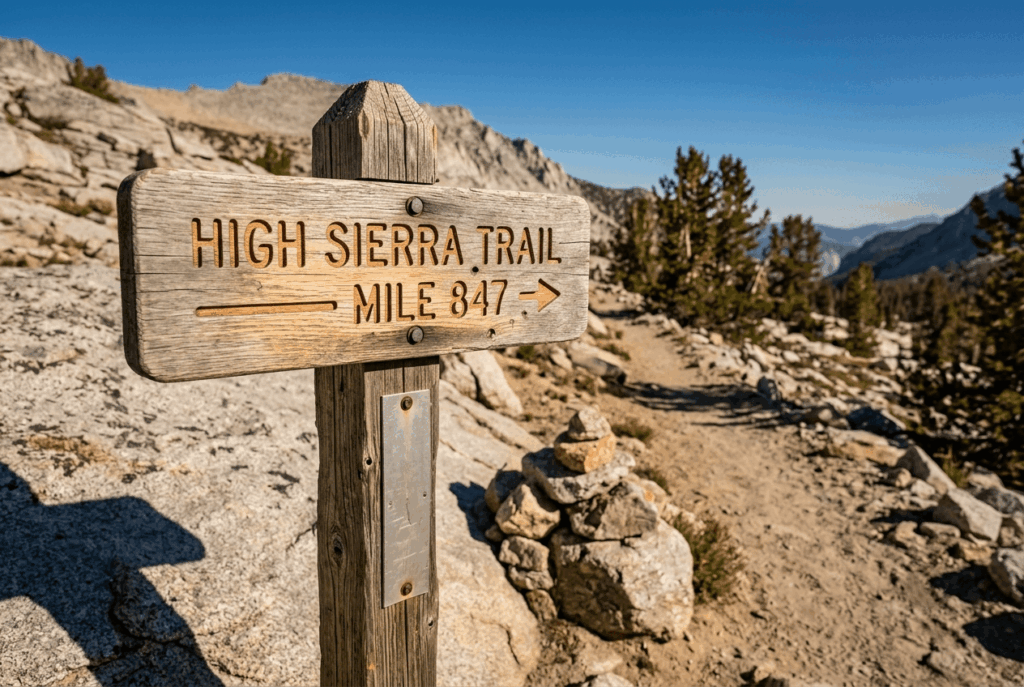
The JMT runs 211 miles between Yosemite Valley (Happy Isles) and the summit of Mount Whitney, crossing both Yosemite and Sequoia-Kings Canyon national parks along with the Ansel Adams and John Muir Wilderness areas.
Most hikers complete it in 17–25 days, though completion times vary widely with fitness and mileage goals. It’s arguably the hardest permit to get of any trail in this guide; more on that below.
The Bay Area Ridge Trail and other California long-distance routes
Not every long-distance option requires a Sierra permit lottery. The Bay Area Ridge Trail is a planned 550-mile loop around San Francisco Bay, built specifically for section hiking rather than a continuous thru-hike. The Tahoe Rim Trail (165 miles) circles Lake Tahoe and is genuinely thru-hikeable in 1–2 weeks.
The Lost Coast Trail (25 miles, Humboldt County) is short enough for a long weekend but remote enough to feel like a real backcountry trip, while coastal multi-day options like the Trans-Catalina Trail offer an island-crossing alternative.
| Trail | Length | Route | Permit required |
|---|---|---|---|
| Pacific Crest Trail (CA) | ~1,700 mi | Mexico border to Oregon line | Yes (PCTA long-distance permit) |
| John Muir Trail | 211 mi | Yosemite Valley to Mount Whitney | Yes (Yosemite or Inyo wilderness permit) |
| Bay Area Ridge Trail | 550 mi (planned) | Loop around San Francisco Bay | Varies by segment |
| Tahoe Rim Trail | 165 mi | Loop around Lake Tahoe | Yes, for some sections |
| Lost Coast Trail | 25 mi | King Range, Humboldt County | Yes (BLM permit) |
How to prepare for a thru-hike in California: the complete planning process
How to get a PCT permit and JMT permit in California
These are three genuinely different systems, and conflating them is the single most common planning mistake I see. The PCTA long-distance permit (500+ continuous miles) is free and released through PCTA’s own system in winter, typically with a primary release followed by a smaller secondary release for remaining spots, check PCTA’s site for exact current-year dates, since they’ve shifted in recent years.
The JMT southbound permit (starting in Yosemite) runs on a rolling weekly lottery through Recreation.gov, opening 24 weeks before each specific start date, there’s no single “opens in March” date for this direction. The JMT northbound permit (starting at Whitney Portal, via Inyo National Forest) is different: that lottery runs on a fixed window, typically February 1 through March 1, for the entire upcoming season.
Only 45 people per day are allowed to exit Yosemite via Donohue Pass on the JMT, which is why demand consistently outstrips supply, roughly 70% of applicants for peak mid-July-through-mid-August dates don’t get a permit, though odds improve to over 50% by mid-September.

How to train physically for a California thru-hike
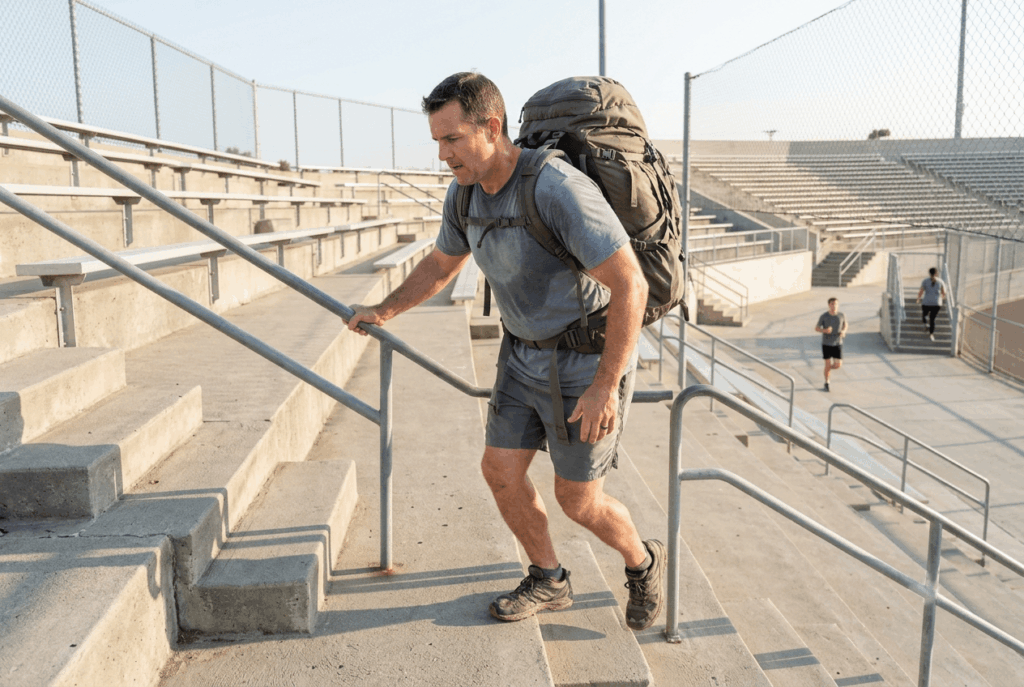
Build a base of at least 20+ miles per week before you start, ideally with real elevation gain included, not just flat mileage, a treadmill incline or stadium stairs work if you don’t live near real hills. Add weighted hikes with your actual pack weight in the months before departure, since carrying 25-30 lb for the first time on day one of a multi-week trip is a recipe for early overuse injuries.
Include back-to-back long days in your training too, so your body has practiced recovering overnight and going again, not just hiking once and resting for a week before the next outing. Review how to adjust physical training for altitude in our high-elevation hiking guide.
Resupply strategy for the John Muir Trail and PCT in California
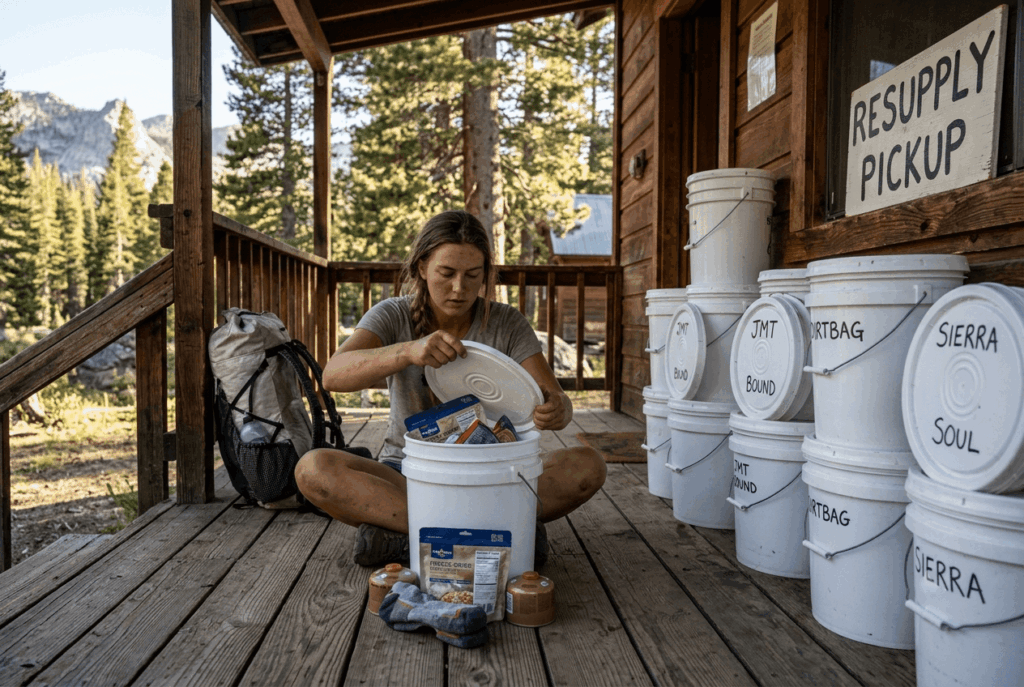
On the JMT, Tuolumne Meadows, Vermilion Valley Resort (VVR), Muir Trail Ranch, and Mammoth Lakes (via Reds Meadow) are the standard resupply points, Muir Trail Ranch specifically requires you to mail your resupply bucket at least two weeks ahead, since they don’t sell food on-site.
PCT hikers in California typically combine trail-town stops with mailed resupply boxes, and Yosemite offers bear canister rental for hikers who don’t want to carry one the entire route.
Thru-hiking gear for California long-distance routes
How much does it cost to thru-hike the PCT or JMT in California?
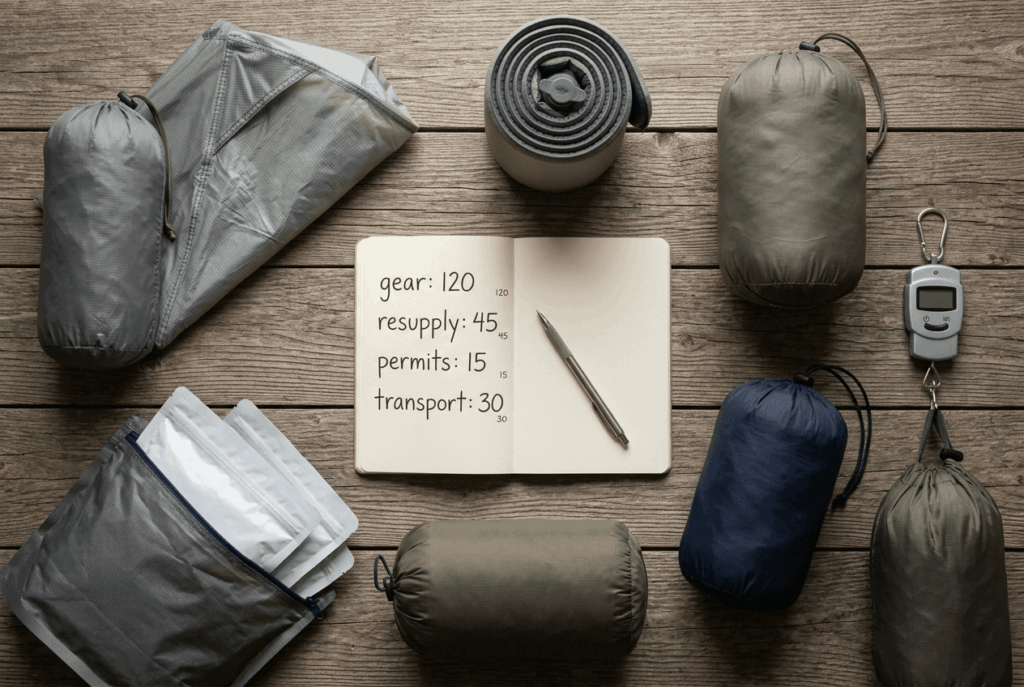
Costs have risen well past older rule-of-thumb estimates, largely from gear, food, and trail-town inflation over the past several years. A full PCT thru-hike now averages roughly $10,000–11,000 according to 2026 survey data; since California covers about two-thirds of the trail, a CA-section-only budget lands somewhere in the $6,500–7,500 range, though a shorter, more frugal section hike can come in well under that.
A JMT hike is far cheaper simply because it’s shorter, figure roughly $900–1,600 covering gear amortization, food, permit fees, and transport for a 3-week trip, assuming you’re not buying a full ultralight kit from scratch.
Both estimates assume moderate town spending; you can spend meaningfully less by cold-soaking meals and minimizing hotel nights, or considerably more if you lean on trail-town restaurants and lodging whenever the option is there. Selecting the right lightweight backpacking tent and backpacking sleeping pad can significantly reduce your base weight and joint strain during long carries.
Safety and Leave No Trace for California thru-hikers
Bear canisters on the John Muir Trail and PCT: what’s required in California?
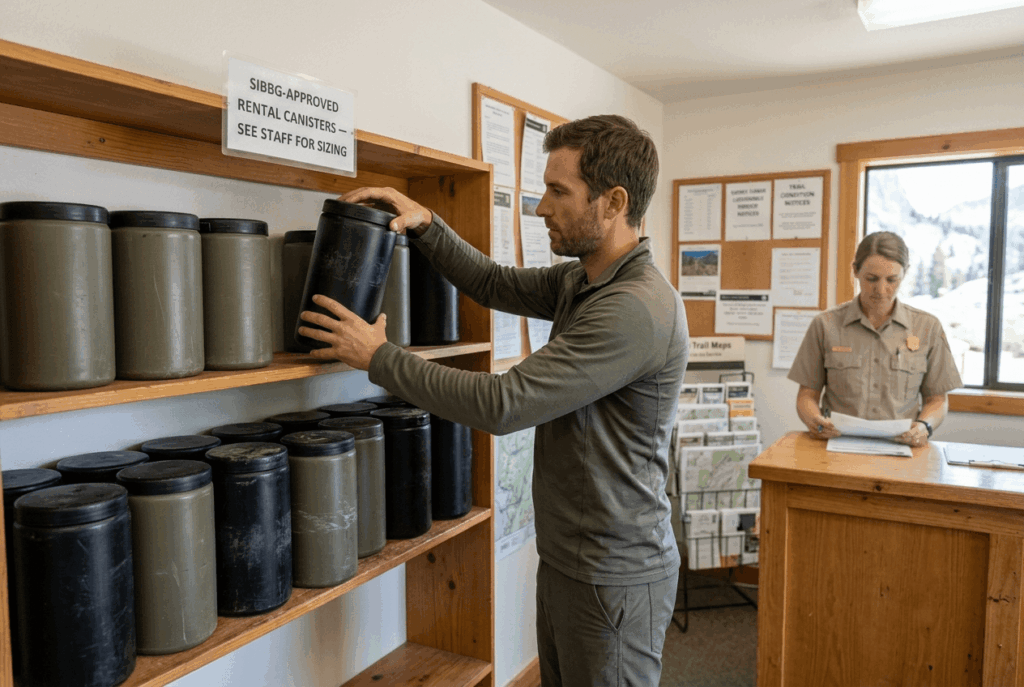
A bear canister is legally required for nearly the entire JMT corridor, Inyo, Sequoia, Kings Canyon, and Yosemite wilderness areas all mandate one, and rangers do check at trailheads and mid-route. Rental canisters are available in Yosemite and in Lone Pine near Whitney Portal if you don’t want to buy one outright, which is worth considering if this is a one-time trip rather than the start of a regular backcountry habit.
Only canisters meeting the Sierra Interagency Black Bear Group (SIBBG) approved list are legal to use, bear-resistant doesn’t automatically mean SIBBG-approved, so check the current list before you buy or rent, since a canister that’s fine in one wilderness area elsewhere in the country may not be accepted here.
Beyond the canister requirement, standard Leave No Trace principles apply throughout, pack out everything, camp on durable surfaces, and follow current fire restrictions, which tighten fast during dry years. Read our full hiking trail etiquette guide to ensure you are following backcountry rules.
If you’re building toward your first long-distance trip, our ultralight backpacking guide covers the gear systems that make big-mileage days manageable, and our hiking safety guide covers the preparation basics every trip, long or short, should start with.
Frequently asked questions: thru-hiking in California
How long does hiking the John Muir Trail take?
Most hikers complete the 211-mile JMT in 17–25 days, though experienced fast hikers have done it in under two weeks and some take longer with a more relaxed pace.
How do I prepare for hiking the Pacific Crest Trail?
Start with the PCTA long-distance permit process, build a genuine training base of 20+ weekly miles with elevation gain, and plan your resupply strategy for California’s long desert and Sierra stretches well before your start date.
How long does hiking the Appalachian Trail take?
Most AT thru-hikers take between 5 and 6 months (roughly 150–160 days on average) to complete its 2,190+ miles, useful context for comparing pace expectations against California’s shorter JMT or longer PCT section.
How do I get a permit to hike the John Muir Trail?
Apply for Yosemite’s rolling weekly lottery on Recreation.gov (24 weeks before your desired southbound start date) or the Whitney Portal/Inyo lottery (typically open February 1–March 1) for a northbound start, they’re separate systems with different timing.
How much does it cost to hike the PCT through California?
Figure roughly $6,500–7,500 for a California-section hike based on current 2026 cost data, though a frugal, shorter trip can come in well under that estimate.
Do I need a bear canister on the John Muir Trail?
Yes, it’s legally required for nearly the entire route, and it must be on the Sierra Interagency Black Bear Group’s approved list, not just any bear-resistant container.