Fell Running in California: The Off-Trail Tradition Behind Your Favorite Mountain Races
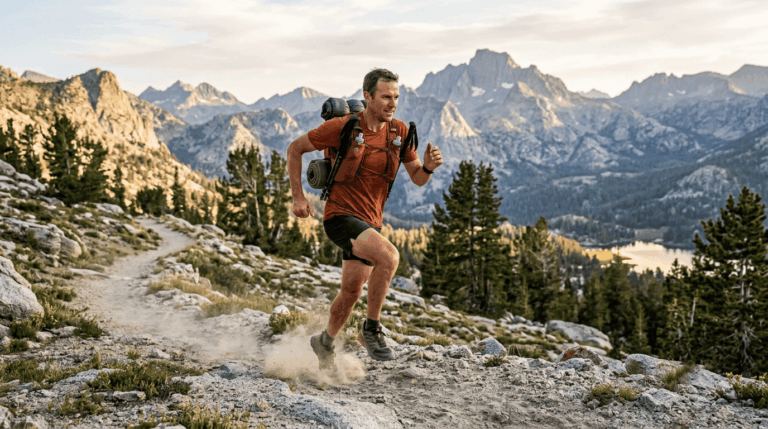
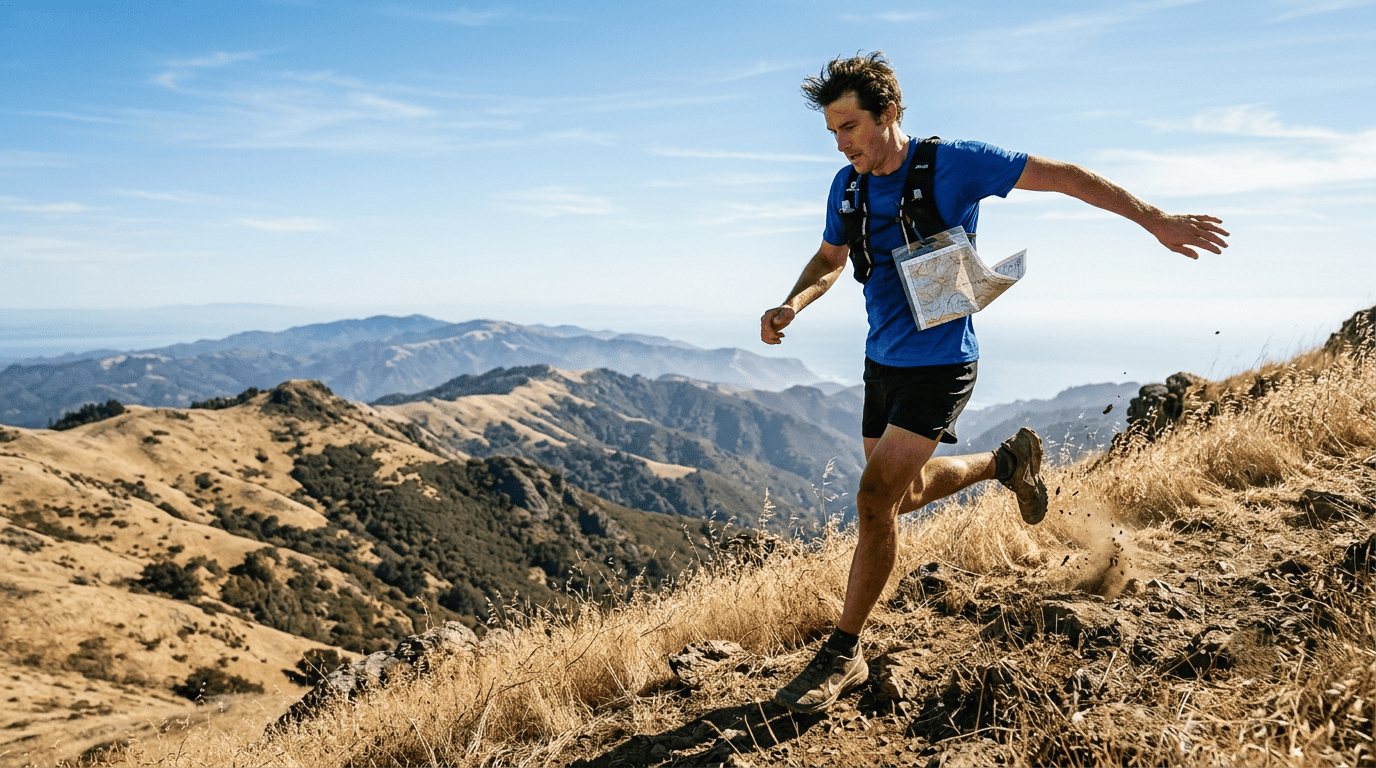
Fell running is off-trail mountain running with self-navigation at its core: no marked course, no required GPS, just a map, a compass, and a direct line up and down a hill. It comes from England’s Lake District, where it’s still a working tradition rather than a trend. While you won’t find a formal scene for fell running in California, the state has a distinct mountain-running culture and a handful of rugged routes that carry the same spirit.
Disclosure: Please note that some of the links below are affiliate links and at no additional cost to you, I may earn a commission. Know that I only recommend hiking gear I personally stand behind; when you use my affiliate links, it helps me run this blog and keep all of this content free of charge for readers (like you).
Key takeaways:
- Fell running is defined by self-navigation and no marked course; that’s the real dividing line from trail running, not just the terrain.
- It comes from England’s Lake District, where informal hill races at village gatherings formalized into the Grasmere Guides Race by 1868.
- The Fell Runners Association (FRA) grades races by ascent (Category A, B, or C) and distance (S, M, or L). An “AS” race is short and brutally steep, and a “CL” race is long with gentler climbing.
- California’s closest equivalent is the Dipsea Race, Mill Valley to Stinson Beach, 7.4 miles, and famous for the off-trail “shortcuts” that make it feel like a genuine fell race.
- Fell shoes prioritize grip over protection, an even more aggressive, minimalist step beyond a standard trail running shoe.
What is fell running and where does it come from?
Fell running is the sport of running up and down open hillsides, “fells” in the local dialect, with the emphasis on the climb and descent rather than distance or a groomed surface. Unlike a trail race, there’s often no marked route at all: you’re handed a map, shown the checkpoints, and left to find your own line. Courses can cross open moorland, boggy ground, and loose scree with no path underfoot at all, which is a very different proposition from following a maintained trail even when that trail is steep.
Fell running origins: from the English Lake District to California’s ranges
The tradition traces back to informal community gatherings in the Lake District, where local shepherds and guides raced each other up nearby fells as part of village fairs. The Grasmere Guides Race, the sport’s best-known event, became a formal fixture by 1868, and the Fell Runners Association (FRA) was founded in 1970 to organize the growing calendar of races across northern England.
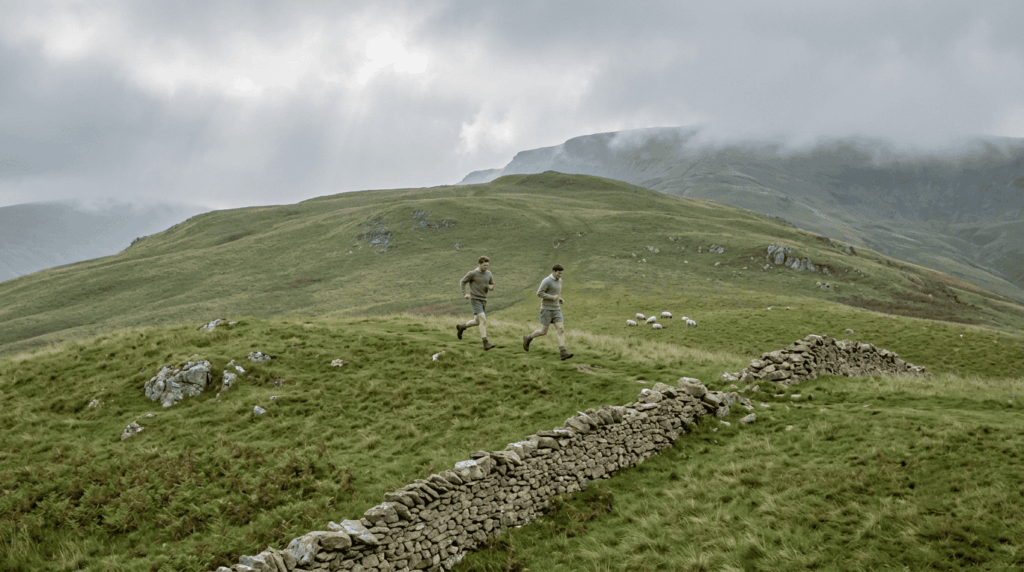
California never developed its own version of that tradition, but its mountain-running culture steep Sierra Nevada climbs, off-trail Marin ridgelines carries a similar ethos, even without the century-and-a-half of history behind it. If you want to understand the basic differences in intensity between trail modes, check out our trail running vs. hiking guide.
Fell running vs trail running: the key differences
Fell running and trail running share a surface, but the rules are genuinely different, and the biggest one has nothing to do with terrain at all.
Why self-navigation defines fell running in California’s mountain ranges
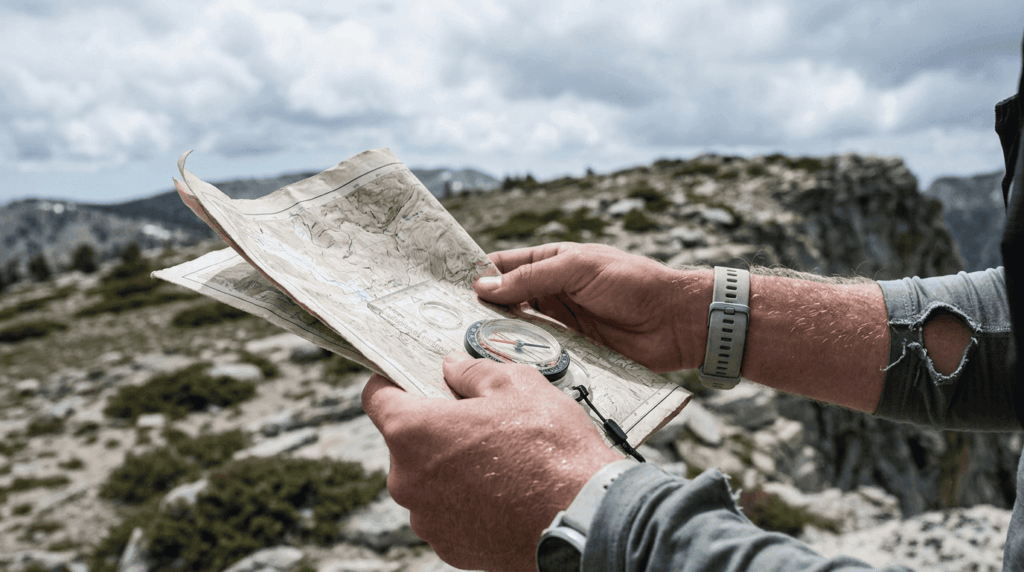
In fell-running tradition, a map and compass aren’t backup gear; they’re the point. GPS is tolerated at most as a supplement, never the primary method. Trail running, by contrast, happily uses GPS watches and marked courses as the default. California doesn’t have organized fell races that enforce this rule the way the FRA does, but the Sierra Nevada backcountry and Marin’s open ridgelines are exactly the kind of terrain where that self-navigation skill actually gets tested.
Ascent-to-distance ratio: why fell courses are steeper than trail races
The FRA grades races on two axes: a letter for climbing severity (A averages at least 250 ft of climb per mile, B at least 125 ft, C at least 100 ft) and a letter for distance (S under 6 miles, M 6–12 miles, L over 12). An “AS” race is short and savagely steep; a “CL” race covers real distance without demanding the same climbing rate.
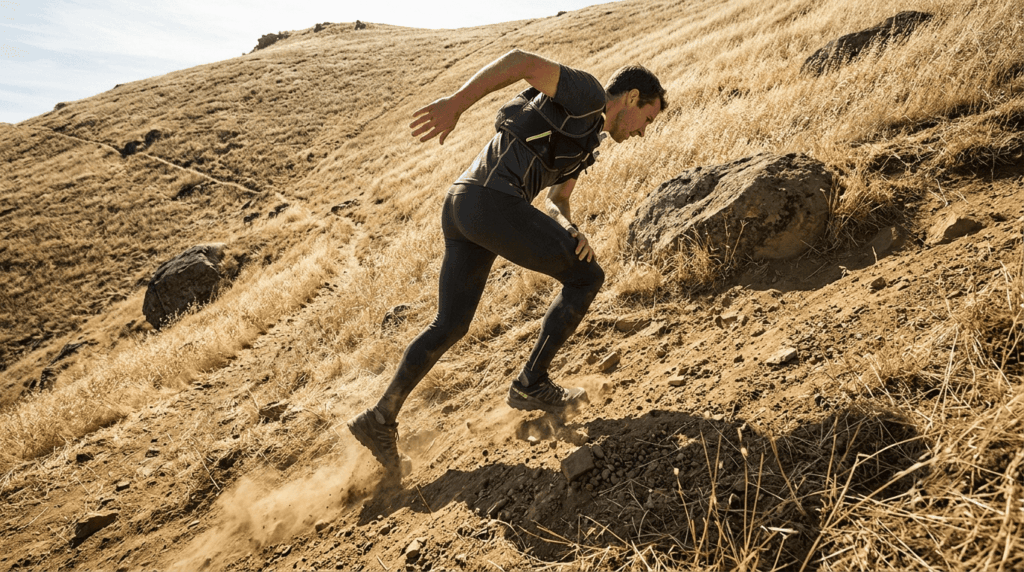
California doesn’t grade its races this way, but plenty of local mountain routes, the steep push up Mount Tamalpais, and the climbs built into races like the Skyline-to-the-Sea course would land solidly in “A” territory if anyone bothered to classify them. You should consult our hiking difficulty levels guide to see how steep climbs are rated.
Is fell running for you? Skills and fitness requirements
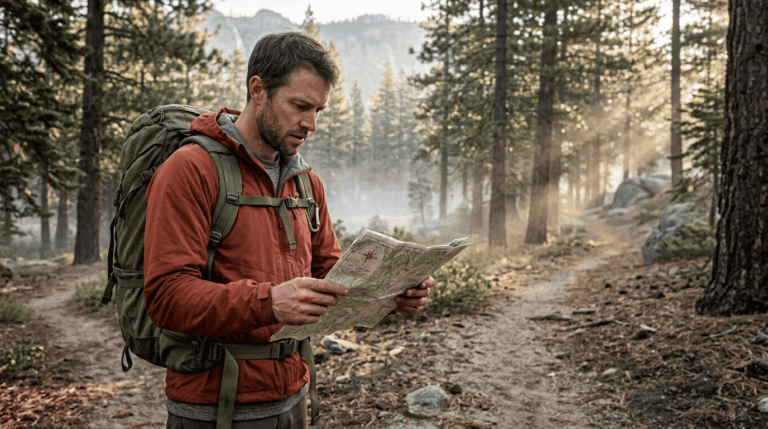
Fell running rewards the same base fitness as trail running. I’d want a genuine 30+ miles a week trail running habit before layering this on, plus one skill most trail runners never had to build: real confidence navigating without a marked path. It also demands comfort with steep, uneven, off-trail ground in a way that even technical trail races don’t always require, since you’re choosing your own line rather than following one someone else laid out.
How to start fell running in California if you are already a trail runner
Add navigation training on top of the running base you already have. An orienteering event is the fastest way to get real practice reading a map under time pressure. Check out our orienteering guide for clubs and map navigation fundamentals. From there, start choosing off-trail lines on ridgelines you already know well, so a navigation mistake costs you time, not safety, while you’re still building the skill.
Fell running events and races in California
California doesn’t run races under FRA rules, but a handful of mountain races carry real fell-running character, especially wherever the course leaves the option to go off-trail.
The Dipsea Race: California’s closest equivalent to a classic fell race
The Dipsea Race, run every June since 1905, covers about 7.4 miles from Mill Valley to Stinson Beach with roughly 2,200 ft of elevation change, and it’s the oldest trail race in America. What makes it feel like a standard trail race is the tradition of “shortcuts”: experienced runners leave the marked course entirely, cutting through backyards, side trails, and steep direct lines that aren’t part of the official route, chasing the fastest line rather than the marked one.
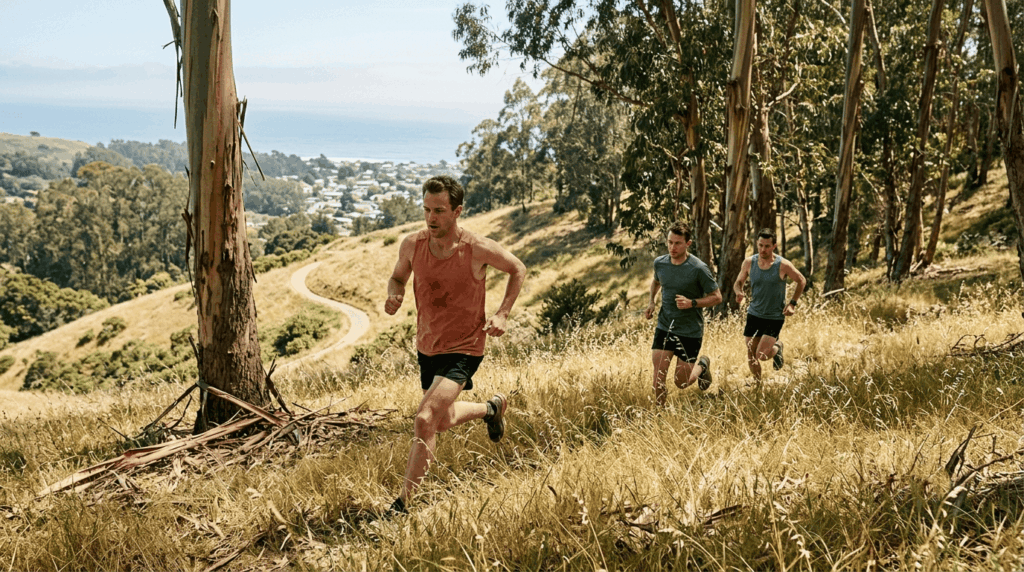
The Mount Disappointment 50K in the Angeles National Forest and the off-trail sections of the Lake Sonoma 50 both carry some of that same spirit, even without the Dipsea’s century of shortcut tradition behind them.
Gear for fell running in California: minimal and functional
Fell running gear philosophy strips things down even further than ultralight trail running grip and navigation tools matter more than comfort or weather protection.
Fell running shoes vs trail running shoes for California’s terrain
Fell shoes push past a standard trail running shoe’s already-minimal build: more aggressive lugs, sometimes soft removable spikes for wet grass and rock, and almost no waterproofing, since staying dry matters less than shedding water and mud fast. You can purchase a pair of aggressive fell running shoes or a robust baseplate compass for off-trail routes.
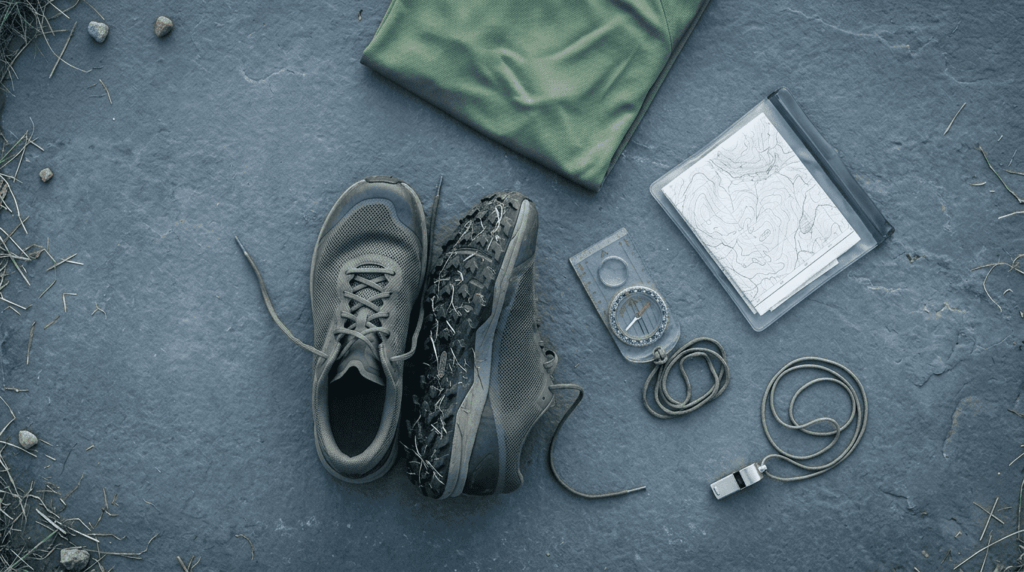
On California’s granite and hardpack, that extra aggression is less necessary than it is on England’s wet grass fells, so most California mountain runners get by fine on a standard aggressive trail shoe rather than seeking out true fell-specific footwear. A map case, a compass, and a whistle round out the kit list; none of it heavy, all of it non-negotiable if you’re actually navigating off-trail.
Fell running safety: navigating off-trail in California’s mountain ranges
Running without a marked course removes a safety net that trail runners take for granted, and it’s worth respecting rather than treating as a minor detail. Weather changes fast on exposed ridgelines with no tree cover to signal a shift, cliff edges aren’t flagged the way a marked race course would flag them, and map reading gets measurably harder once fatigue sets in late in a run.
My rule for anyone trying this in California: run with a partner the first several times you go genuinely off-trail, and don’t attempt real navigation-dependent terrain until you’ve built the skill somewhere lower-stakes first. Orienteering is a much better place to make a wrong turn than an exposed Sierra ridge. Read our terrain hazards guide for details on off-trail safety.
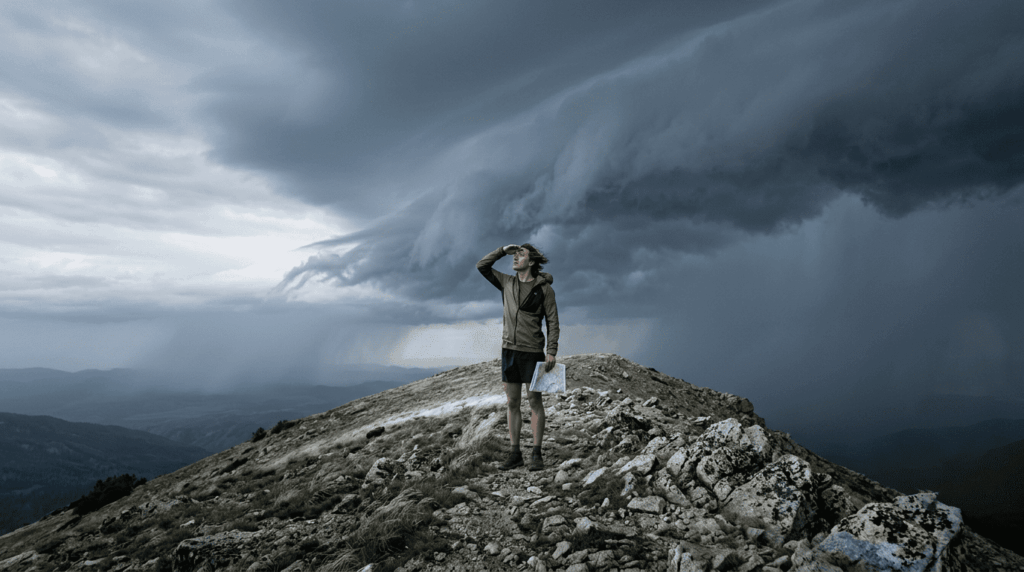
Fell running’s core idea trusting your own navigation instead of a marked line is a mindset any California trail runner can borrow, even without a local FRA-style race scene to formalize it. Start with an event like the Dipsea that already rewards off-trail thinking, build real map-and-compass skill through orienteering, and only then start choosing your own lines on terrain you already know well. Do that, and the hills stop being something you follow a course through and start being something you actually read.
Frequently asked questions about fell running in California
What is fell running and how is it different from trail running?
Fell running is off-trail mountain running with self-navigation as a core requirement, not just a terrain style; trail running uses marked courses and GPS as the default. The distinction is about the rules of engagement more than the ground underfoot.
Do fell runners use GPS or do they navigate with a map and compass?
Traditional fell running treats map and compass as the primary tool, with GPS tolerated at most as a supplement. That’s a stricter standard than most California trail races require, which generally allow GPS freely.
Are there fell running races in California?
Not under official FRA rules, but the Dipsea Race, the Mount Disappointment 50K, and off-trail sections of the Lake Sonoma 50 all carry genuine fell-running character. The Dipsea’s tradition of off-trail “shortcuts” is the closest California analog to a true fell race.
What shoes do fell runners wear in California?
Most California mountain runners get by with a standard aggressive trail running shoe rather than true fell-specific footwear, since the terrain here is drier and less grass-covered than England’s fells. True fell shoes add even more aggressive lugs and sometimes soft spikes, prioritizing grip over any water resistance.
How do I start fell running if I am already a trail runner?
Add navigation training through an orienteering event, then start choosing your own off-trail lines on terrain you already know well. Your running fitness carries over directly; the missing piece is confidence navigating without a marked path.
What is the Dipsea Race and is it a fell running event?
The Dipsea Race is a 7.4-mile race from Mill Valley to Stinson Beach, run since 1905 and considered the oldest trail race in America. It’s not an official fell race, but its tradition of off-trail shortcuts gives it real fell-running character that most California races don’t have.