Best Backpacks for Day Hikes in California
Most of the best hiking packs on the market are overbuilt for what a California day hike actually needs. You don’t need a 45-liter expedition pack for a four-hour loop; you need something that carries water, a layer, and snacks without beating up your shoulders, and that fits the specific trail you’re hiking that day. A desert scramble and a shaded family loop don’t call for the same pack, even though both are technically “day hikes.”
Disclosure: Please note that some of the links below are affiliate links and at no additional cost to you, I may earn a commission. Know that I only recommend hiking gear I personally stand behind; when you use my affiliate links, it helps me run this blog and keep all of this content free of charge for readers (like you).
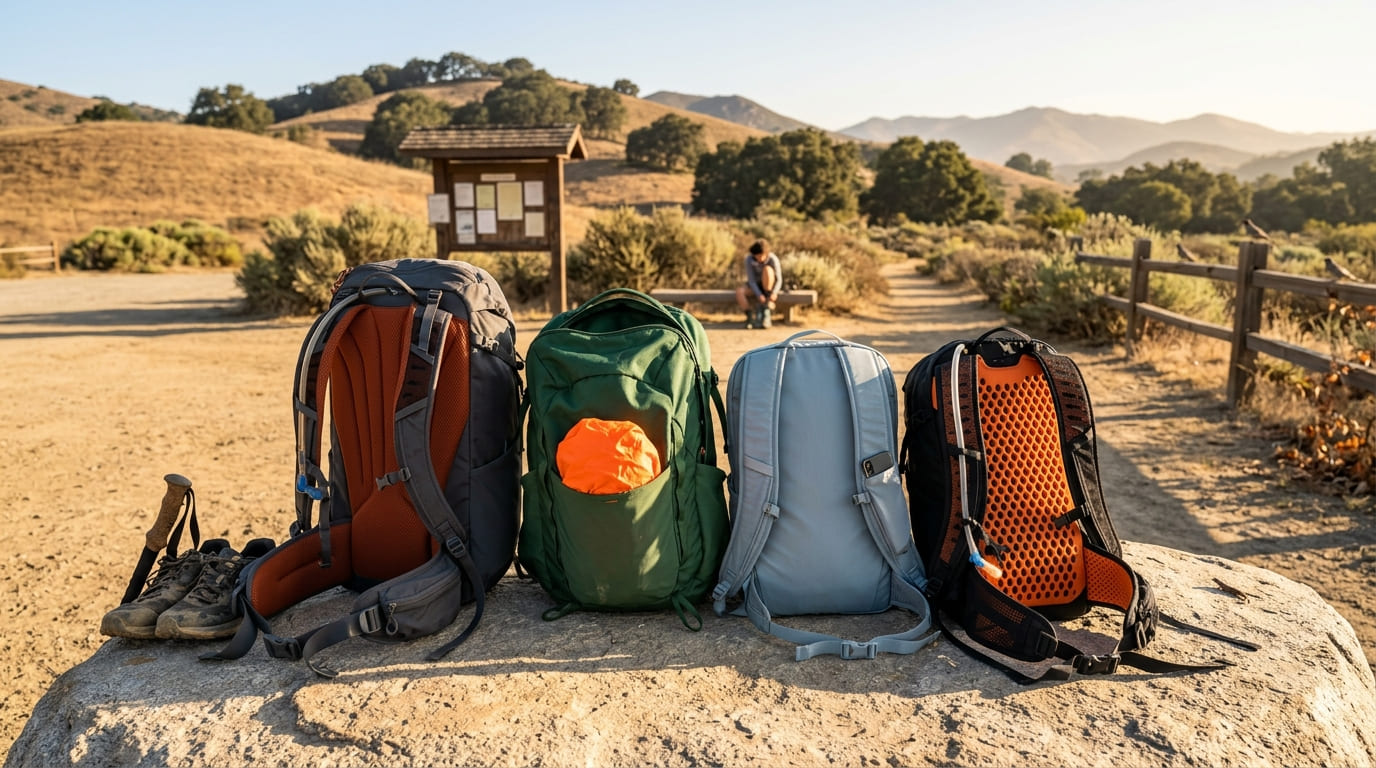
I’ve narrowed this down to four packs that each solve a different version of that problem, rather than one generic “best overall” pick that’s actually just a compromise for everyone.
Capacity is the first thing to get right: most day hikers overshoot it, buying a 30-plus liter pack “just in case” and then carrying mostly empty space and unnecessary weight for the whole hike. When you are searching for practical gear presents that won’t end up gathering dust, our best gear gifts for hikers selection offers reliable picks.
The four packs below range from 20 to 25 liters for a reason: that’s the sweet spot for water, food, a layer, and the basics on the vast majority of California day hikes, without the bulk of something built for an overnight trip.
Key takeaways:
- Best overall: Osprey Talon 22 / Tempest 20, the standard-bearer for a reason, with a ventilated suspension that holds up across most of this site’s county guides.
- Best budget pick: REI Co-op Trail 25, durable and hydration-compatible at under $100, a smart choice while you’re still working through our beginner trails guide.
- Best ultralight option: Osprey Daylite Plus, barely over a pound empty, built for short, easy days like the ones in our family-friendly trail guide.
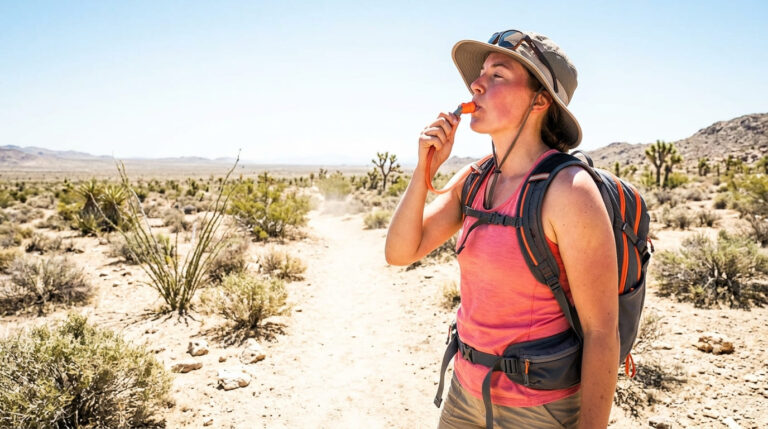
- Best for hot-weather and desert hikes: Gregory Nano 20, a ventilated back panel that matters on exposed trails like the ones in our guide to California’s best slot canyon and desert trails.
| Pack | Best for | Price | Capacity | Weight (empty) |
|---|---|---|---|---|
| Osprey Talon 22 / Tempest 20 | All-around day hiking | $170 | 22L | ~2 lb 4–6 oz |
| REI Co-op Trail 25 | Budget, beginners | $99.95 | 25L | ~1 lb 13–14 oz |
| Osprey Daylite Plus | Short, easy trails | $80–90 | 20L | ~1 lb 3–5 oz |
| Gregory Nano 20 | Hot-weather, desert | ~$150–160 | 20L | ~1 lb 2 oz |
Osprey Talon 22 / Tempest 20: best overall day hiking backpack
Key features
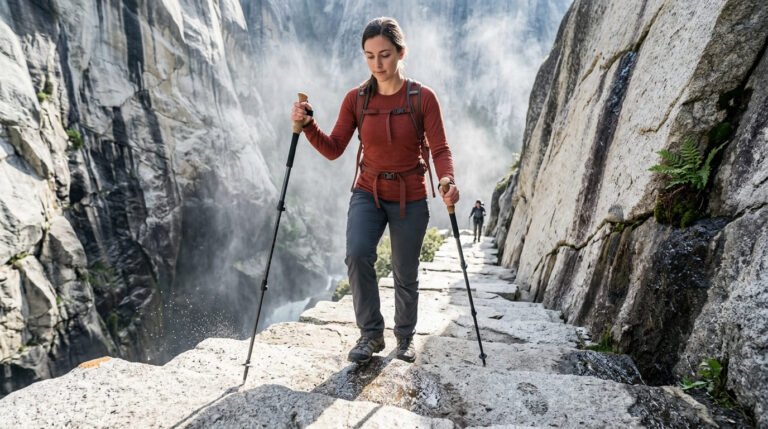
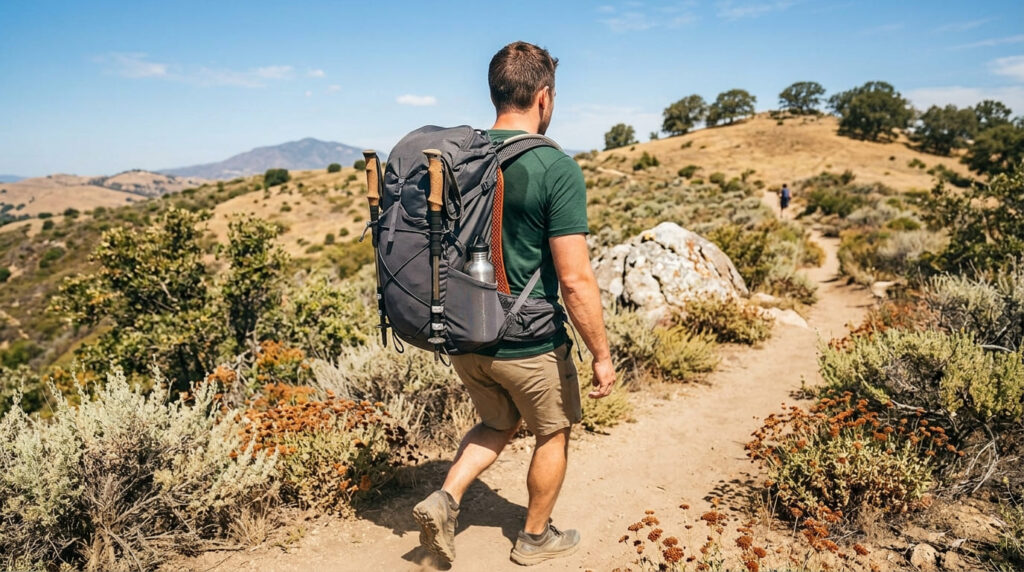
Osprey’s Talon (men’s) and Tempest (women’s) lines are the packs I see on the trail most often, and the reasons why hold up under scrutiny. The AirScape back panel uses a semi-rigid foam sheet with ventilated air channels instead of a metal frame, which keeps the pack cool against your back without adding much weight.
Both are hydration-reservoir compatible; Osprey moved the reservoir sleeve inside and widened it in the 2024 redesign, and it includes Stow-on-the-Go trekking pole attachment and a LidLock helmet carry for anyone who bikes as well as hikes.
The continuous-wrap harness and hipbelt system is the other reason this pack shows up on so many “best overall” lists: it’s one of the more stable, load-distributing carry systems available at this size, which matters once you’re four hours into a hike and the pack still needs to feel like it did at the trailhead.
Best for
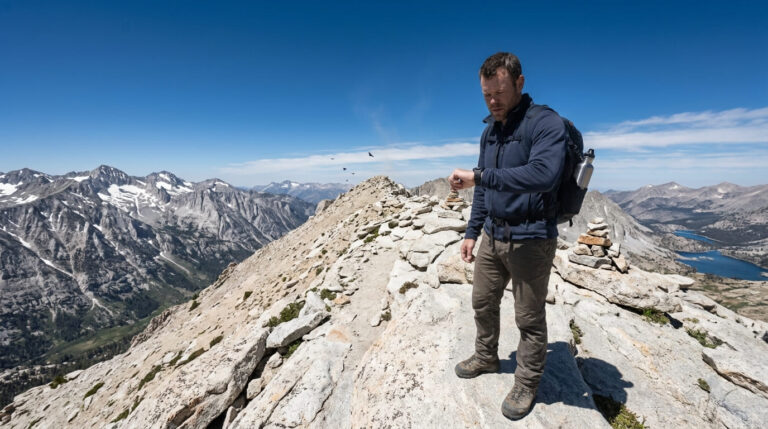
Moderate day hikes across most of this site’s county guides, from our Los Angeles guide covering Runyon Canyon and Griffith Park to a full-day push somewhere in the San Bernardino Mountains. At 22 liters and a comfortable harness, this pack handles nearly everything without you having to think about whether it’s the right choice.
REI Co-op Trail 25: best budget day pack
Key features
At $99.95, the Trail 25 undercuts Osprey by roughly $70 while still delivering real durability, a 210D recycled nylon shell, hydration compatibility, and an included rain cover you’d normally pay extra for. The panel-loading design means the entire main compartment opens up rather than just a top pocket, which makes packing and finding things mid-hike easier than a top-loading pack.
The trade-offs show up in the details: the hip belt is thin and unpadded, load-bearing comfort tops out well below what the Talon offers, and there’s less external organization. For a 25-liter capacity at this price, though, it’s hard to find a real weakness that matters for a standard day hike.
Best for
First-time hikers working through our beginner trails guide, or anyone who isn’t ready to commit $170 to a pack before knowing how often they’ll actually use it. It’s also a smart pick if you just want a spare pack that can sit in the trunk without worrying about it.
Osprey Daylite Plus: best ultralight/minimalist day pack
Key features
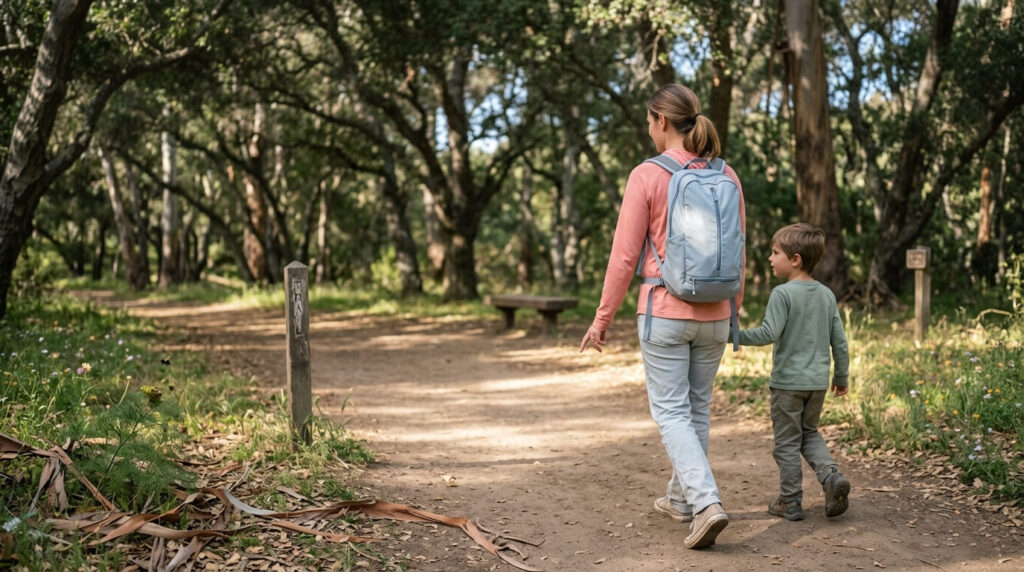
The Daylite Plus strips away everything the Talon includes for multi-sport use: no trekking pole loops, no LidLock, and the result is a 20-liter pack that weighs barely over a pound.
What’s left is well-built: a padded laptop sleeve, decent organization for its size, and a comfortable carry as long as you’re not loading it past 10–12 pounds.
It also connects to several of Osprey’s larger travel packs via attachment points at the waist and shoulders, which is a nice bonus if this doubles as a daypack on trips as well as trails. The simple webbing hip belt isn’t built for heavier loads, which is the honest trade-off for the weight savings.
Best for
Short, easy trails covered in our family-friendly trail guide, where a smaller, lighter pack is more comfortable than hauling a full-featured 25-liter pack for a two-hour loop. It also doubles well as a travel daypack, which the Talon’s bulkier build doesn’t do quite as gracefully.
Gregory Nano 20: best day pack for hot-weather and desert hikes
Key features
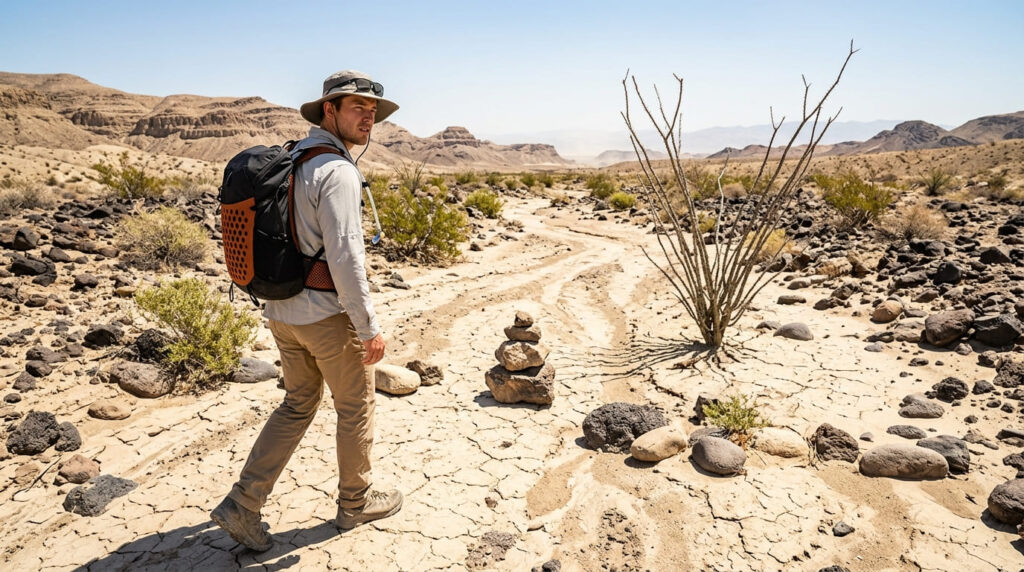
The Nano 20’s defining feature is its breathable, die-cut back panel, a comfort advantage once you’re hiking exposed, shadeless terrain in July. A removable webbing hip belt, padded air-mesh shoulder straps, and an independent hydration sleeve round out a pack that’s light (about 1 lb 2 oz) without feeling stripped down the way some ultralight options do.
The fabric itself is treated with a PFAS-free water-resistant coating, and Gregory backs the pack with a lifetime warranty, a reassuring detail on a pack that’s going to see repeated exposure to sun, dust, and desert grit.
Best for
Warm-weather trails where back sweat and heat buildup are a real problem over a full day- places like our San Bernardino desert trail guide or our guide to California’s best slot canyon and desert trails, where shade is scarce, and the ventilation actually earns its keep.
Pair it with enough water; a ventilated back panel helps with comfort, but it doesn’t change how much water you actually need to carry on a hot desert trail, and it’s worth reading the NPS’s own heat-illness prevention guidance before any midsummer desert hike. Heat illness comes on faster than most hikers expect, and the ventilation on your pack won’t offset a dangerous afternoon temperature.
Frequently asked questions about the best backpacks for day hikes in California
What size backpack do you need for a day hike?
Most day hikers do well with something in the 18–25 liter range, enough for water, a layer, snacks, and the basics without carrying unused space. Longer or colder-weather day hikes push toward the top of that range; short, warm trails can get away with less.
Do day hiking backpacks need a hip belt?
Not always, but it matters more than most people expect once a pack is loaded past 10–12 pounds. A hip belt shifts weight off your shoulders onto your hips, which is noticeably more comfortable on longer days; it’s one of the clearest differences between a budget pack and a premium one. If you’re mostly hiking short, easy trails with a light load, a minimal webbing hip belt like the ones on the Daylite Plus or Nano 20 is fine; if you’re regularly out for six-plus hours with a full pack, the Talon’s more substantial hip belt earns its higher price.
Should you buy a backpack with a hydration bladder included?
Not necessarily; most of the packs here are hydration-compatible but sold without a reservoir, which keeps the price down and lets you choose your own. If you don’t already own one, see our full breakdown of the best hydration packs for hot-weather hikes for specific recommendations.
How much should a day hiking backpack weigh empty?
Most quality daypacks in the 20–25 liter range weigh between 1 and 2.5 pounds empty, depending on how many features and how much structure they include. Ultralight options like the Daylite Plus or Nano 20 sit near the bottom of that range; more structured packs like the Talon sit near the top. The extra weight in a structured pack usually buys you a better hip belt and suspension system, so it’s not wasted; it’s a trade-off, not a flaw.
Is 20 liters big enough for a full day hike?
For most hikers, yes, 20 liters comfortably fits water, food, a layer, and basic safety gear for a standard day hike. It starts to feel tight if you’re carrying camera gear, extra layers for variable mountain weather, or gear for more than one person. If you regularly find yourself strapping things to the outside of a 20-liter pack, that’s a reliable sign it’s time to size up to 25 liters or larger.
What should you pack in a day hiking backpack?
At minimum: enough water for the conditions, sun protection, a layer, a basic first aid kit, a headlamp, and a way to navigate if you lose the trail or your phone dies. Beyond that, pack for the specific terrain, extra water and electrolytes for desert heat, warmer layers for alpine elevation gain, and a few extra calories for anything longer than you’re used to. None of the four packs above are large enough to overpack in a way that becomes a liability, which is part of why 20–25 liters works so well for the vast majority of California day hikes.