Best Hiking Trails in California’s State Parks: A Statewide Overview
California runs the largest state park system in the country, 280 parks and counting, with three more in the pipeline as of a 2026 expansion announcement. That’s a genuinely different hiking resource than the nine national parks get you: more parks per region, generally lower fees, and a system built to put a trail within reach of almost anywhere you’re starting from in the state. Exploring California hiking trails in state parks offers a unique way to experience everything from the high mountains to the coast.
Disclosure: Please note that some of the links below are affiliate links and at no additional cost to you, I may earn a commission. Know that I only recommend hiking gear I personally stand behind; when you use my affiliate links, it helps me run this blog and keep all of this content free of charge for readers (like you).
If you’ve already worked through the national parks hiking guide, this is where the next tier of hiking destinations lives.
Key takeaways
- California has 280 state parks, with a 2026 expansion plan set to add three more in the Central Valley, more than any other state by a wide margin.
- State parks and national parks solve different problems: state parks are closer to home and generally cheaper, while national parks carry more name recognition and stricter permit systems.
- The America the Beautiful Pass does not work at California state parks, it’s a federal pass for federal land, and state parks run their own separate annual pass instead.
- Point Lobos isn’t a timed-entry system, despite how it sometimes gets described, it’s a 150-vehicle parking lot that closes when full, so arriving before 9:30am is your real strategy.
- Most day-use entry needs no reservation at all, a $10 per-vehicle fee at the gate covers the vast majority of state park visits; it’s camping that requires advance ReserveCalifornia booking.
Why California’s state park system is a hiker’s paradise
280 parks, 340 miles of coastline, 970 miles of lake and river frontage, and over 4,000 combined miles of trail, California’s state park system protects more ecological range than any other state’s, from redwood canyons to open desert to alpine summits, often within a few hours’ drive of each other.
California state parks vs national parks: what hikers need to know
State parks are managed by the California Department of Parks and Recreation, not the federal government, which shows up in a few practical ways: generally lower entry fees, more campgrounds relative to each park’s size, and dog policies that are often more permissive than what you’ll find at an NPS unit. National parks carry more name recognition and, for specific bottleneck trails, more permit requirements, but for pure trail variety per mile driven, California’s state parks frequently win.
The trade-off is name recognition: a state park delivering a genuinely comparable experience to a national park often gets a fraction of the visitors, which cuts both ways depending on whether you’re chasing solitude or amenities.
How to find and reserve California state park hiking trails
ReserveCalifornia is the official booking system for camping and any activity that does require a reservation, and the parks.ca.gov trail finder is the most reliable source for trail-specific details park by park. The California State Parks app puts both in your pocket for trip-day lookups. Most popular parks do ask for a day-use reservation during peak summer weekends specifically, check the individual park page rather than assuming either way, since the requirement varies park to park rather than applying system-wide.
Best California state parks for coastal hiking
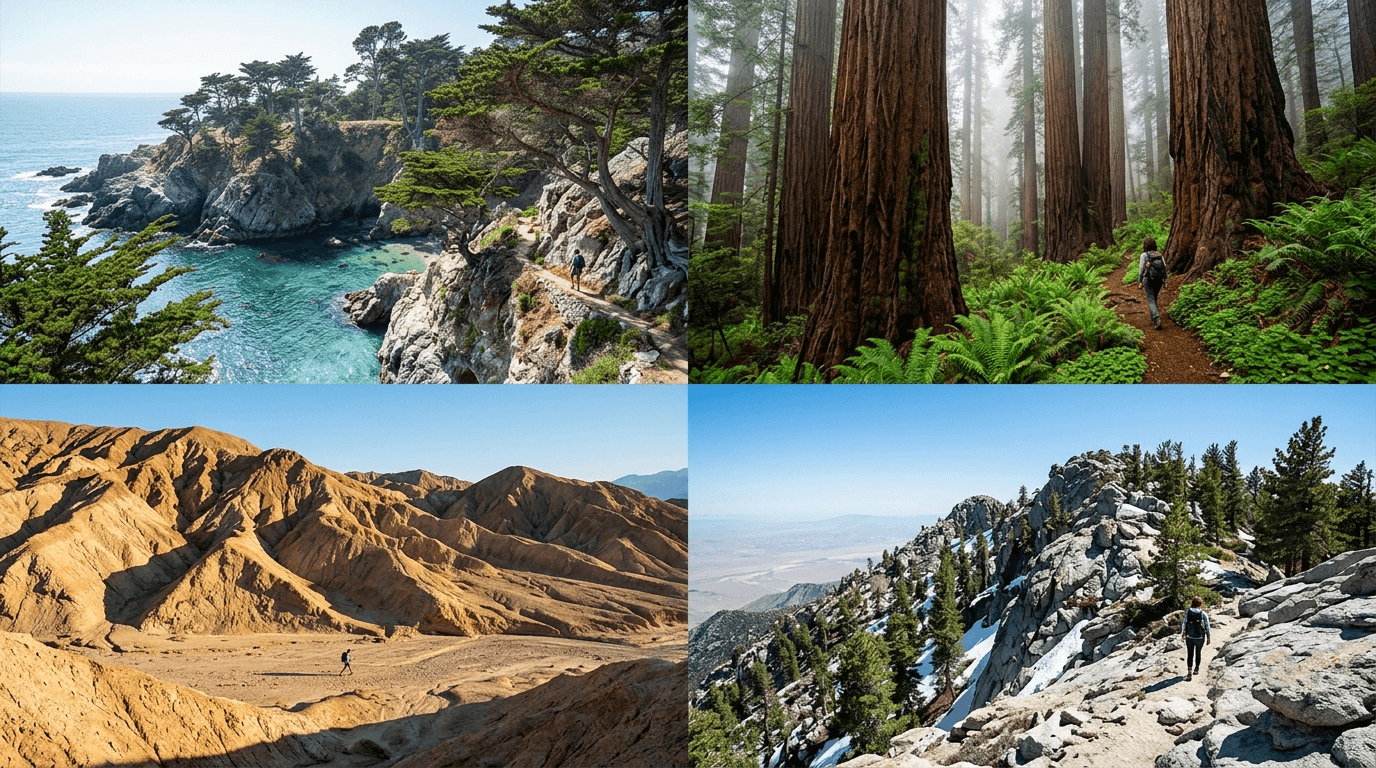
Coastal state parks are where California’s park system arguably outperforms its national parks, Crystal Cove and Point Lobos both rival anything in the National Park System for pure coastal drama.
Crystal Cove State Park: Southern California’s best coastal hiking destination
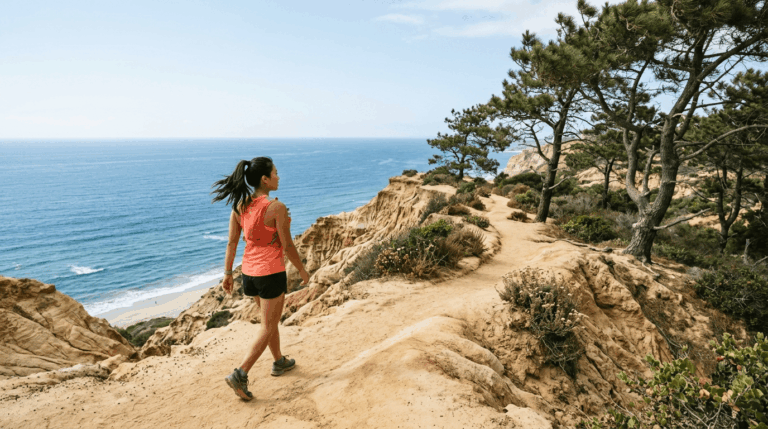
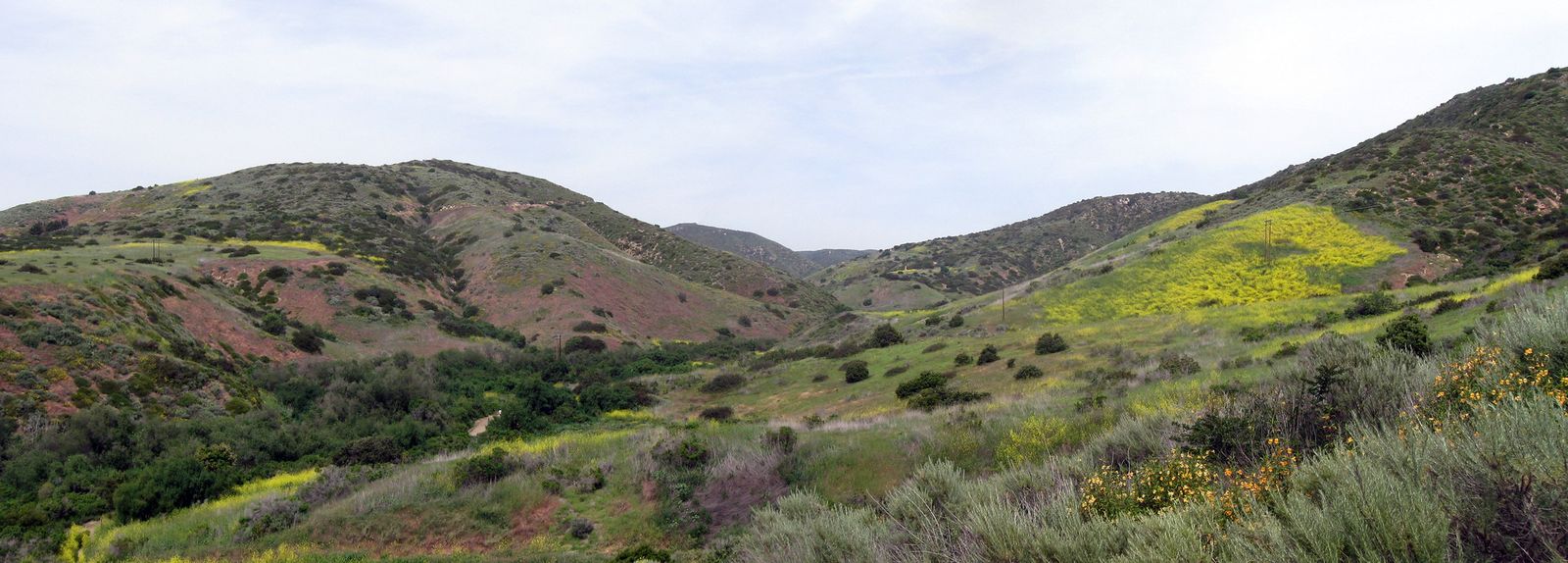
At 2,400 acres with 17 miles of trail, Crystal Cove pairs inland Moro Canyon hiking with coastal bluff trails and a historic beachfront district, all in one Orange County park. Backcountry camping is available for anyone wanting to extend the visit, and a day-use reservation is required in summer given how popular this stretch of coastline has become.
Point Lobos State Natural Reserve: California’s greatest meeting of land and sea
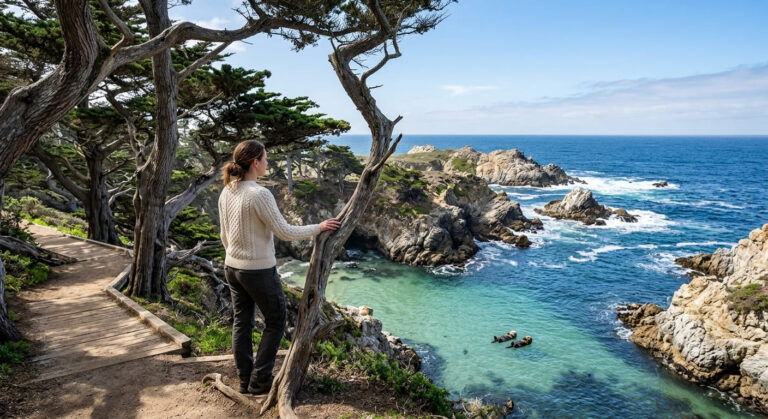
Point Lobos packs 6 miles of trail into one of the most photographed stretches of coastline in the state, cypress groves, sea otters, and harbor seals all within easy walking distance of the entrance. It’s often described as needing a timed-entry ticket, but that’s not quite accurate: the real constraint is a 150-vehicle parking lot that simply closes once full, so arriving before 9:30am (or after 3pm, once the morning crowd starts leaving) is the actual strategy, not an advance booking.
If the lot’s full, parking along Highway 1 and walking in is free and avoids the entrance fee entirely.
Best California state parks for forest and redwood hiking
This is where California’s state parks, not its national parks, hold some of the best old-growth redwood hiking in the world, including forest that predates the national park system entirely.
Humboldt Redwoods State Park: California’s largest old-growth redwood state park
At 53,000 acres with over 100 miles of trail, Humboldt Redwoods holds Bull Creek Flats, the largest contiguous old-growth redwood stand left on Earth, a title that puts it ahead of even the more famous national park groves further north.
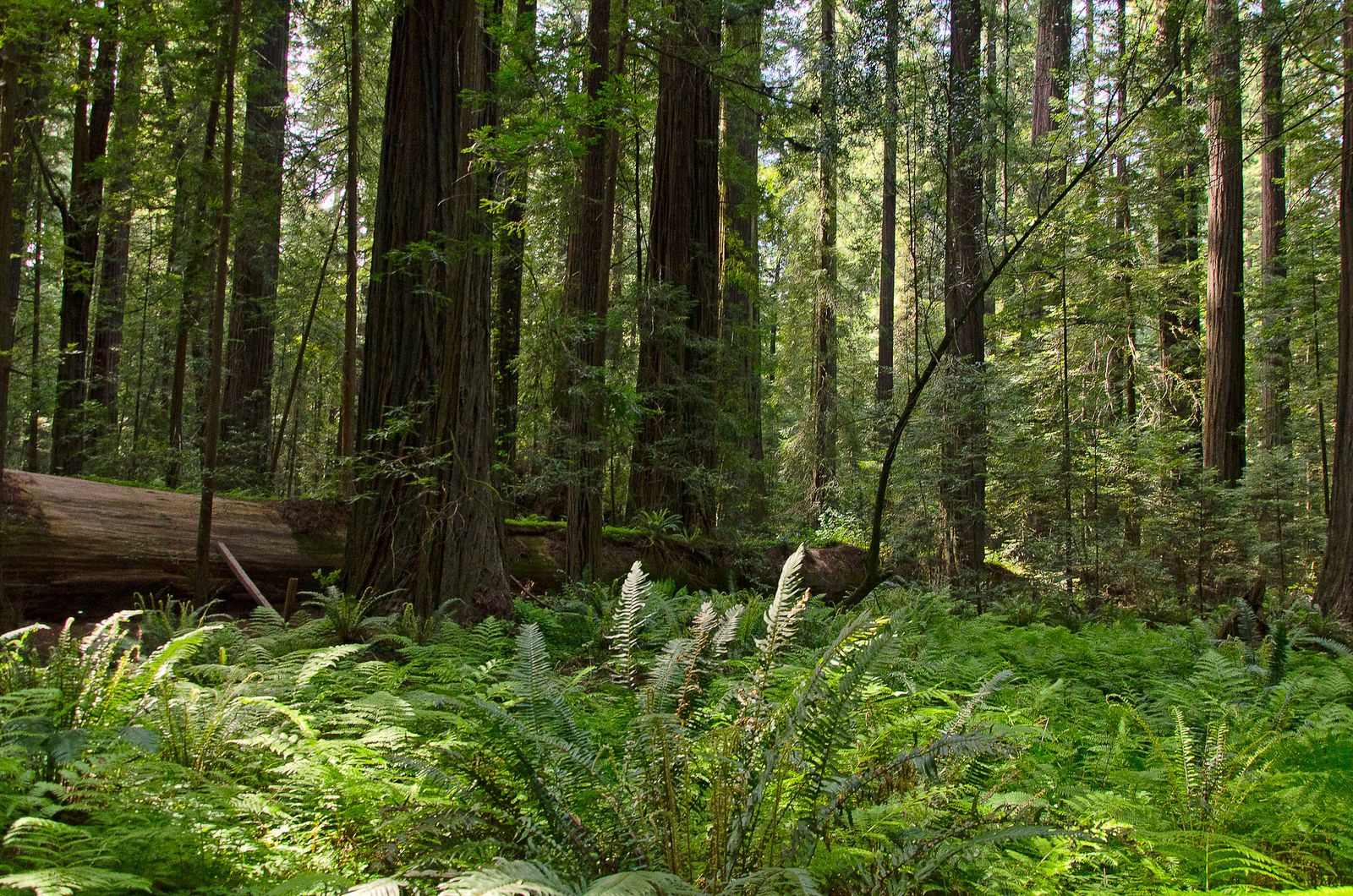
The Avenue of the Giants scenic drive runs alongside much of the park, and the Founders Grove Nature Loop is the easiest way to get a genuine old-growth experience without committing to a full day of hiking. For other redwoods destinations managed jointly with the federal government, see our Redwood national and state parks guide.
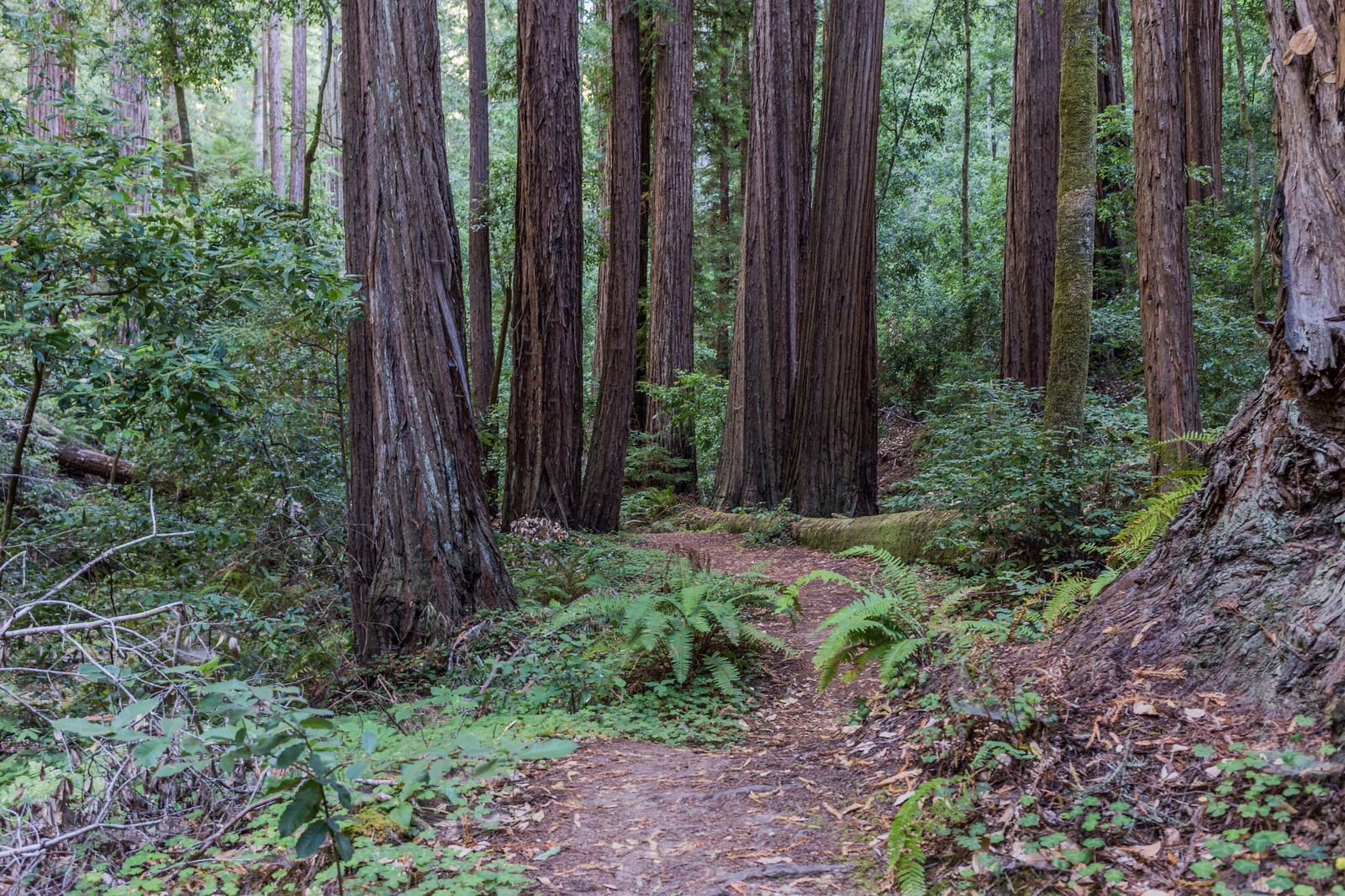
Big Basin Redwoods, California’s oldest state park, established in 1902, is also worth watching if you haven’t visited recently: trails damaged in the devastating 2020 CZU fire have been progressively reopening in the years since. Note that some specific waterfall routes remain closed; check our California waterfall trails guide for other open forest options.
Best California state parks for desert hiking
Desert hiking in California’s state park system means one park dominates the conversation, simply by virtue of scale.
Anza-Borrego Desert State Park: California’s largest state park and best desert hike
At 600,000 acres, Anza-Borrego is California’s largest state park outright, with 500-plus miles of dirt roads and 110 miles of dedicated trail radiating out from Borrego Springs. Bighorn sheep are a genuine, if not guaranteed, sighting on the right trail, and El Niño years bring a wildflower superbloom that draws visitors from across the state. Like most California desert hiking, the window here is October through April, summer heat makes the same trails a real hazard rather than a scenic bonus.
Best California state parks for mountain and alpine hiking
Alpine hiking inside a state park sounds like a contradiction until you visit Mount San Jacinto, though Castle Crags State Park also offers striking high-altitude granite terrain further north without a national park’s permit complexity.
Mount San Jacinto State Park: Palm Springs tram to alpine summit
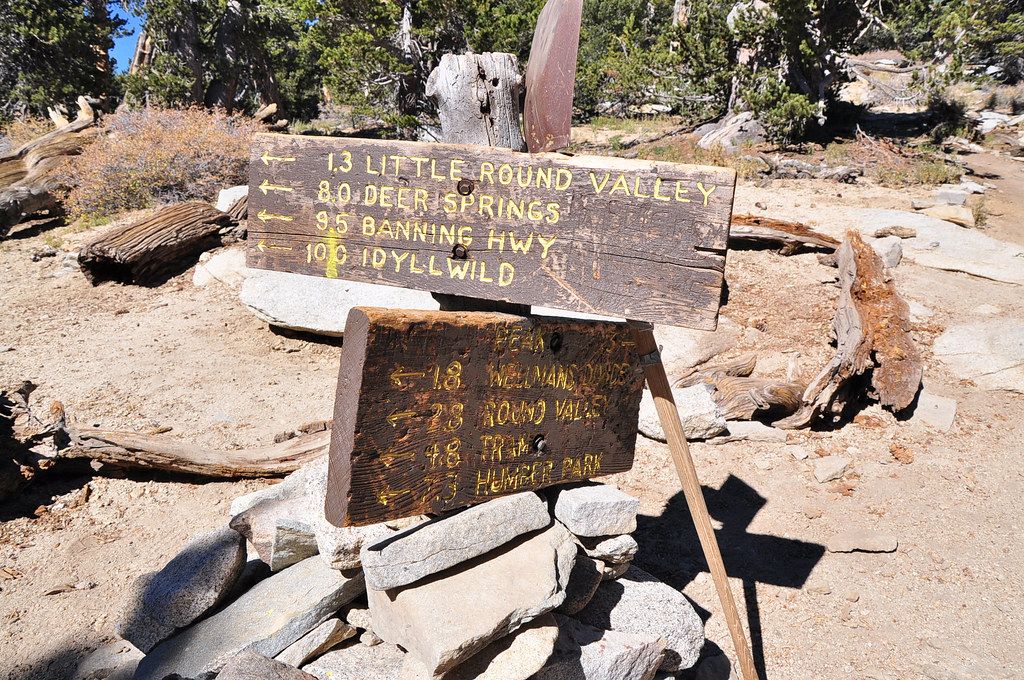
The Palm Springs Aerial Tramway solves the access problem entirely; it drops you from the desert floor into alpine terrain in about ten minutes, connecting to 10 miles of trail toward the 10,834 ft summit. Snow is possible above 8,500 ft in almost any month, which catches visitors expecting pure desert conditions off guard, and backcountry zones beyond the main trail network require a permit.
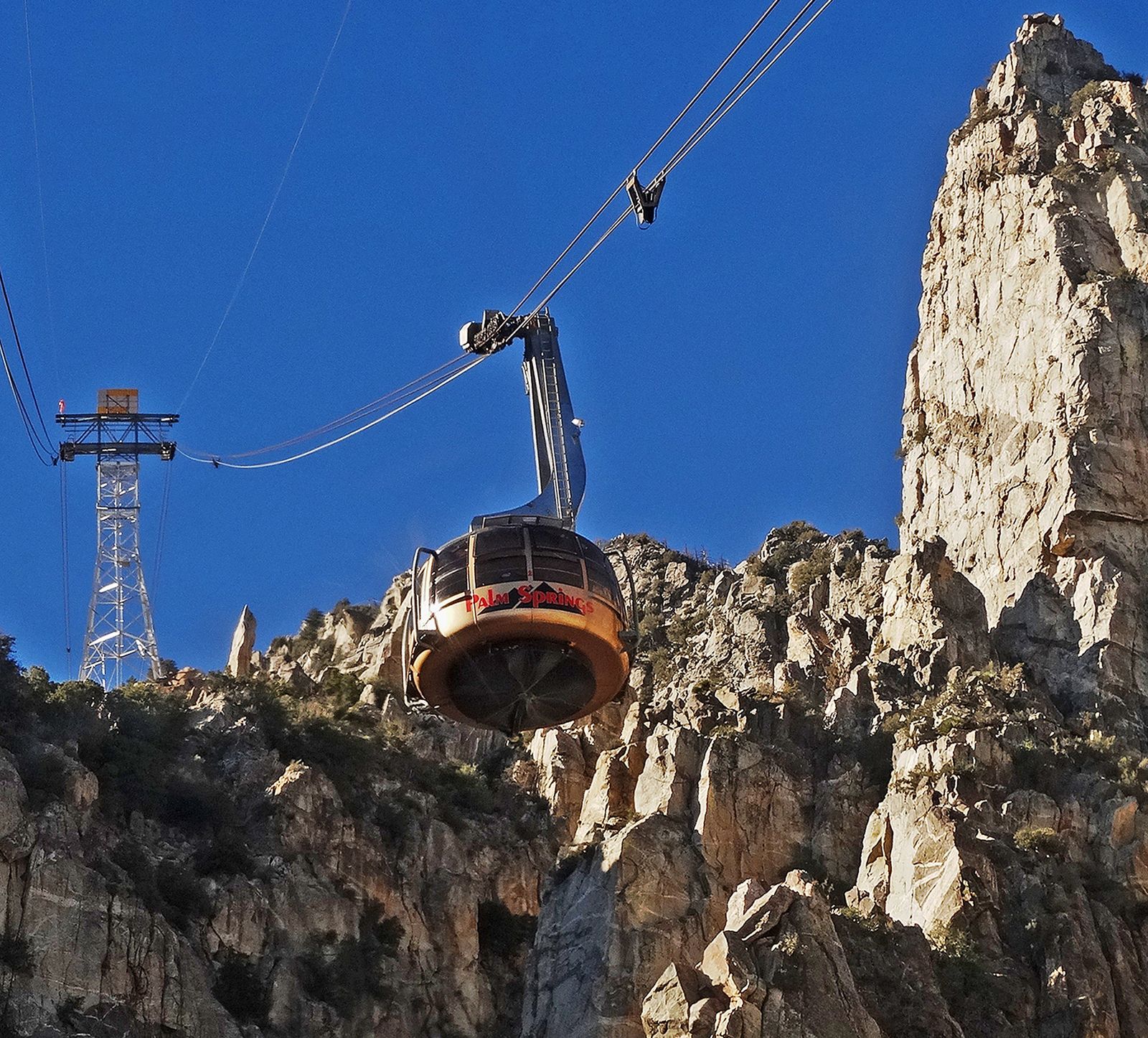
It’s one of the strangest and most rewarding elevation swings available anywhere in California hiking. You can find detailed elevation preparation tips in our high-elevation hiking guide.
California state park day use fees and reservation guide
Cost and reservation confusion is one of the most common visitor frustrations in this system, and most of it comes down to a couple of details people miss, usually by assuming a rule from the national park system applies here too, when it doesn’t.
Day-use fees run $8–15 per vehicle depending on the park, paid at the entrance kiosk with no advance booking required for the vast majority of visits. The America the Beautiful Pass, the federal interagency pass that covers national parks and forests, does not work at California state parks; it’s specifically a federal land pass, and state parks run their own separate California State Parks Annual Pass instead if you’re visiting often enough to justify one.
Camping is the real reservation bottleneck: popular campgrounds fill up to six months in advance through ReserveCalifornia, so that’s the piece worth booking early, even when day-use entry itself doesn’t require it. Walk-up availability does exist at less popular parks and on weekdays, so it’s worth checking even if the calendar looks fully booked online.
Before hitting these trails, make sure you understand the relative difficulty levels of the climbs and always practice Leave No Trace trail etiquette to preserve the natural areas. If you plan to camp, don’t forget to pack a durable backpacking sleeping pad for cold nights.
Frequently asked questions about hiking in California’s state parks
Do I need a reservation to hike in California state parks?
Most day-use visits don’t require one, you pay a per-vehicle fee at the gate. Some of the most popular parks do require a day-use reservation during summer weekends specifically, so check the individual park’s page if you’re visiting a high-demand destination like Crystal Cove.
Does the America the Beautiful Pass work at California state parks?
No, it’s a federal pass that covers national parks and forests, not California’s state park system. State parks have their own separate California State Parks Annual Pass for frequent visitors.