Best Multi-Day Backpacking Loops in California
If you don’t want to arrange a shuttle, stash a second car, or hitch back to a trailhead you left two days and thirty miles behind, a loop solves that problem outright: you finish where you started. Unlike our guides to the John Muir Trail and the Pacific Crest Trail through California, which are point-to-point epics built around logistics, every loop here returns you to your own car.
Disclosure: Please note that some of the links below are affiliate links and at no additional cost to you, I may earn a commission. Know that I only recommend hiking gear I personally stand behind; when you use my affiliate links, it helps me run this blog and keep all of this content free of charge for readers (like you).
I picked these seven Multi-Day Backpacking Loops for variety, not just geography: granite lake basins (such as those explored in our dedicated Rae Lakes Loop guide), a full lake-circling thru-hike, a self-issue permit system with almost no red tape, and the only coastal option on the list. Some take a single overnight; others take up to a week.
Key Takeaways
- Rae Lakes Loop: the Sierra classic, 40+ miles of granite basins and one of the hardest permits on this list to win.
- Tahoe Rim Trail: a 170-mile circuit around the entire lake, hikeable in full or broken into shorter multi-day sections.
- Ten Lakes Loop: the quieter, easier-permit alternative to the JMT corridor in Yosemite’s high country.
- Emigrant Wilderness Loop: the least bureaucratic option here, free, self-issued permits with no quota.
- Desolation Wilderness Loop: Echo Lakes to Lake Aloha to the Crystal Range, with permit competition on par with Rae Lakes.
- Point Reyes Coast Camp Loop: the only coastal, non-alpine trip on this list, with its own reservation-based camping system.
- Ansel Adams Wilderness Loop: Thousand Island, Shadow, and Minaret Lakes, tied to the Reds Meadow shuttle’s seasonal schedule.
Rae Lakes Loop (Kings Canyon National Park, Fresno County)
Why it’s a great loop: no shuttle required for one of the Sierra’s best treks
At around 41 miles with roughly 7,000-9,000 feet of cumulative gain, Rae Lakes is the loop I’d point serious backpackers toward first; it crosses the same Glen Pass shared by the JMT and PCT, but starts and ends at the same Road’s End trailhead.
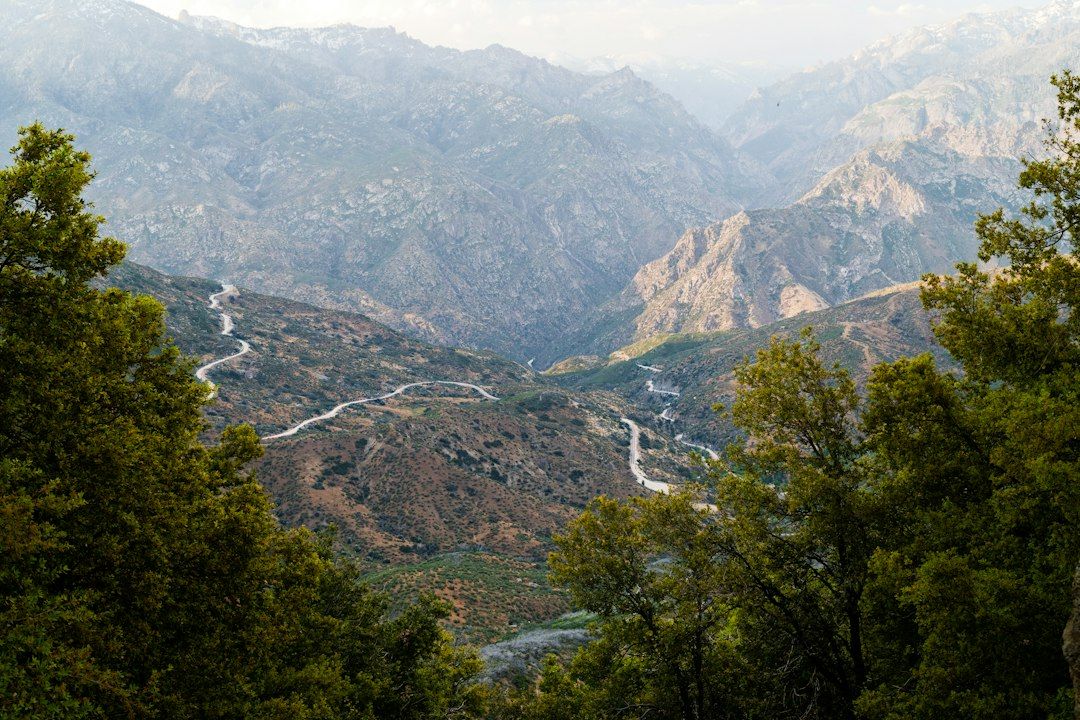
Most hikers take 3 to 5 days, camping among granite basins and alpine lakes that would otherwise require a full thru-hike to reach.
Planning notes
The Woods Creek and Bubbs Creek trailheads split a daily quota of 40 permits (20 each direction) during the May-to-September quota season, released exactly six months ahead on Recreation.gov.
This is one of the harder permits on this list, comparable to the JMT’s own competitiveness. Bear canisters are mandatory. A handful of walk-up permits are held back daily, but I wouldn’t drive out on that gamble alone.
Tahoe Rim Trail (Lake Tahoe Basin)
Why it’s a great loop: a complete circuit around one of America’s most beautiful lakes
Maintained by the Tahoe Rim Trail Association, the TRT is a loop, commonly cited between 165 and 174 miles, that circles the entire Lake Tahoe Basin across six counties and two states, crossing roughly 50 miles of shared tread with the PCT along the way.
Most thru-hikers take 10 to 15 days for the full circuit, but the trail’s nine access points make it just as viable as a series of shorter multi-day out-and-backs.
Planning notes
Most of the TRT itself needs no permit at all. The one exception is Desolation Wilderness at the trail’s southern end, and as of 2026, that exception got more complicated: a brand-new Desolation Wilderness Thru-Hiker permit zone (10 spots/night) launched specifically for hikers completing the full TRT in one continuous trip, on top of the existing day-use and section-hiker permits already required there.
If you’re only hiking a shorter TRT segment that touches Desolation, check which permit category actually applies before you go; our statewide permits guide breaks down the difference between quota-zone and general wilderness permits in more depth.
Ten Lakes Loop (Yosemite National Park, Tuolumne County)
Why it’s a great loop: a quieter Yosemite high-country alternative to the JMT
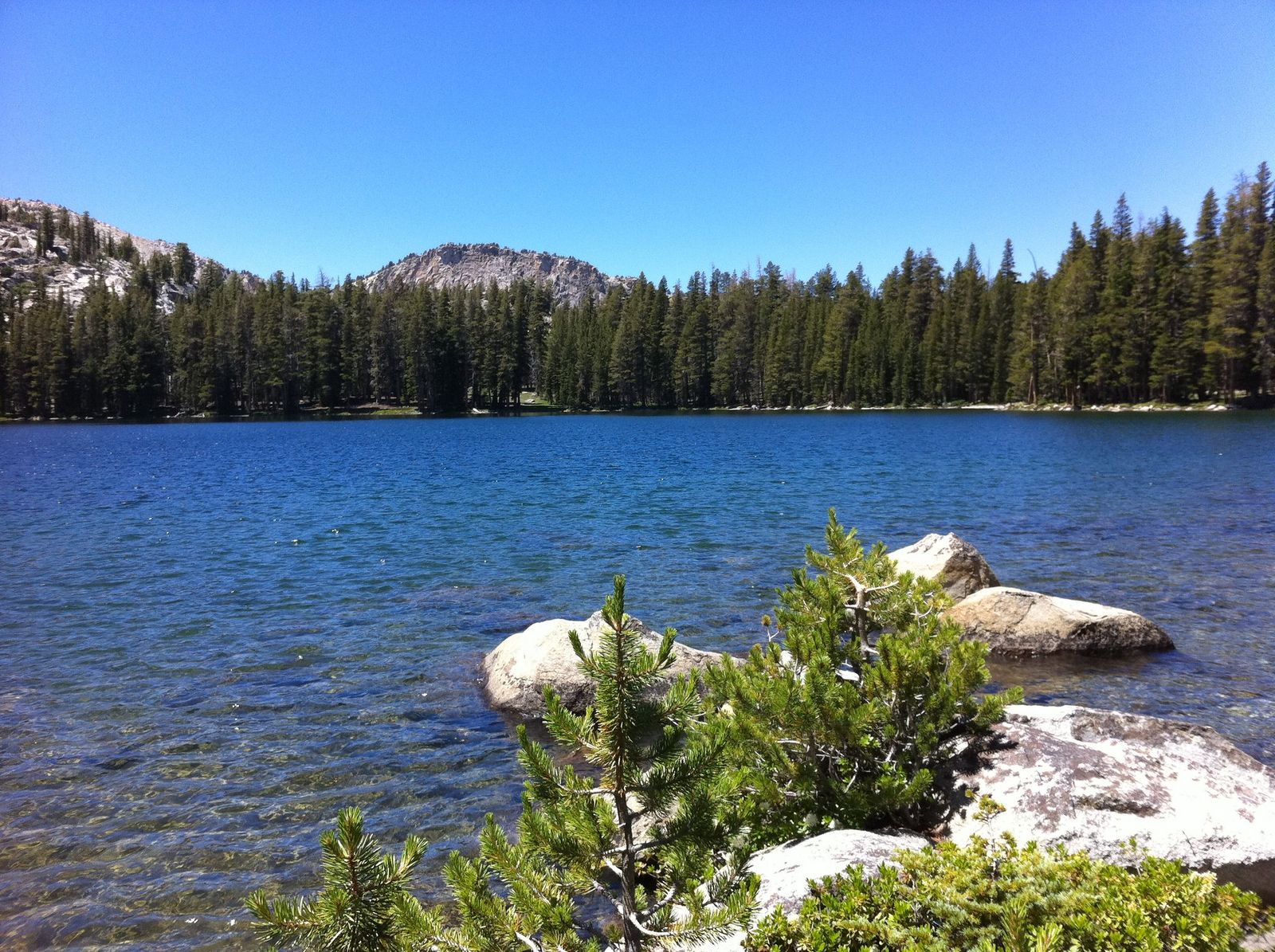
Ten Lakes trades JMT-level permit competition for a peaceful multi-day trip through Yosemite’s northern high country, off Tioga Road near Tuolumne Meadows.
The out-and-back approach to the basin runs close to 12 miles round trip, but most backpackers plan two to three nights and 18-22 miles total once they explore the individual lakes and the Grant Lakes side trail.
Planning notes
You’ll use the same standard Yosemite wilderness permit lottery covered in our JMT guide, but Ten Lakes carries nowhere near the same demand as the Donohue Pass quota, and rangers here have described it as a reliable spot to find a walk-up permit when Tuolumne Meadows-area trailheads are full. Bear canisters are required throughout Yosemite.
Emigrant Wilderness Loop (Stanislaus National Forest, Tuolumne County)
Why it’s a great loop: a granite-lake circuit with no permit hassles
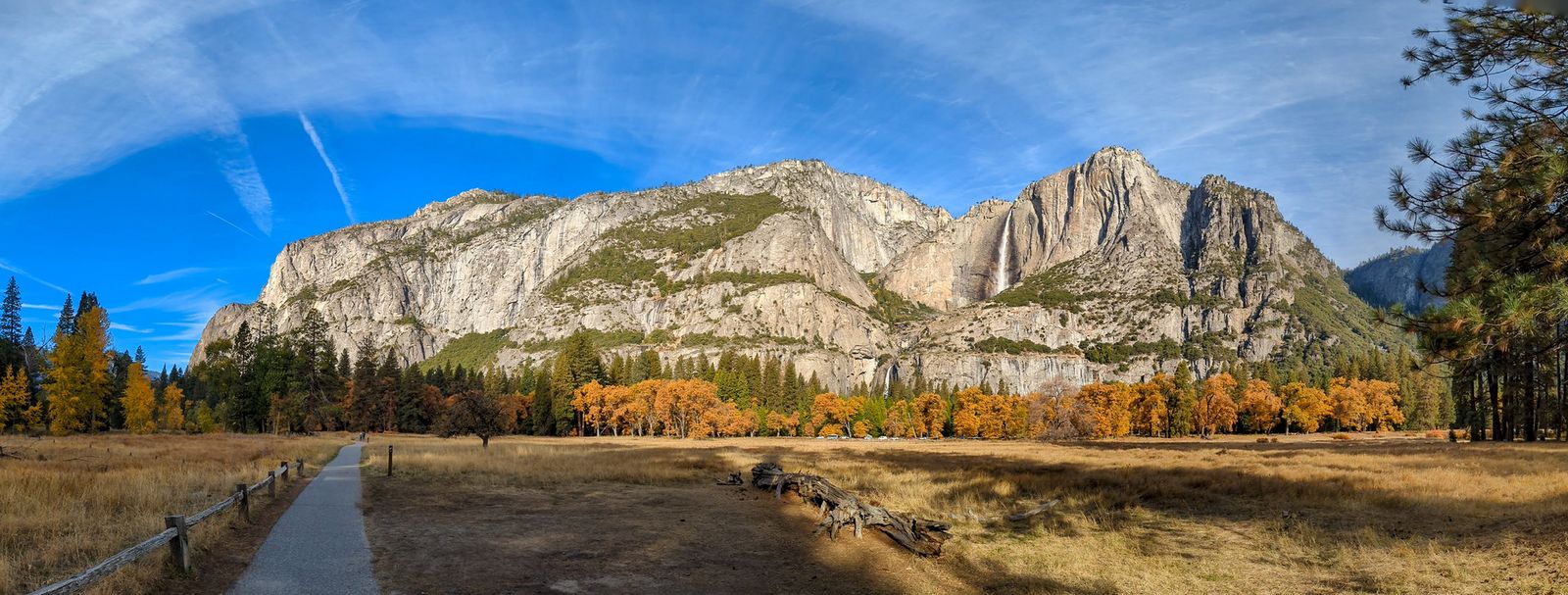
Starting from the Crabtree trailhead near Kennedy Meadows Resort, this roughly 19.5-mile loop through the Stanislaus National Forest links Relief Reservoir and a string of granite-basin lakes into a 1-to-3-day circuit, full Sierra wilderness scenery without Yosemite’s permit chase.
Planning notes
This is the easiest permit on the entire list. Emigrant Wilderness uses free, self-issue permits with no trailhead quota (with the narrow exception of Kibbie Ridge/Lake), available 24/7 at the Summit Ranger Station kiosk on Highway 108.
Bear canisters aren’t legally required here, though I’d still carry one; this is active bear country regardless of what the permit says.
Desolation Wilderness Loop (El Dorado County)
Why it’s a great loop: connecting Echo Lakes, Lake Aloha, and the Crystal Range
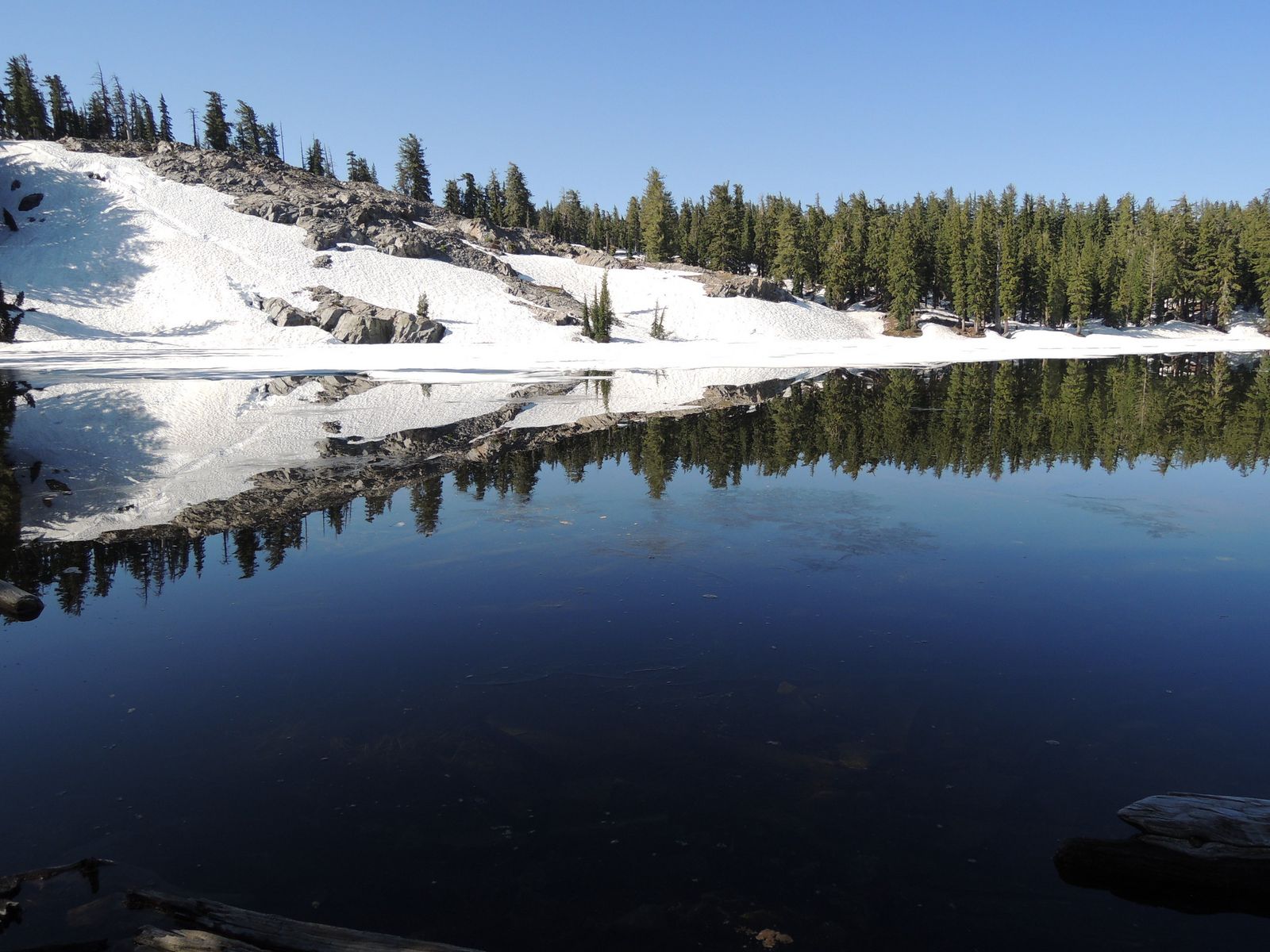
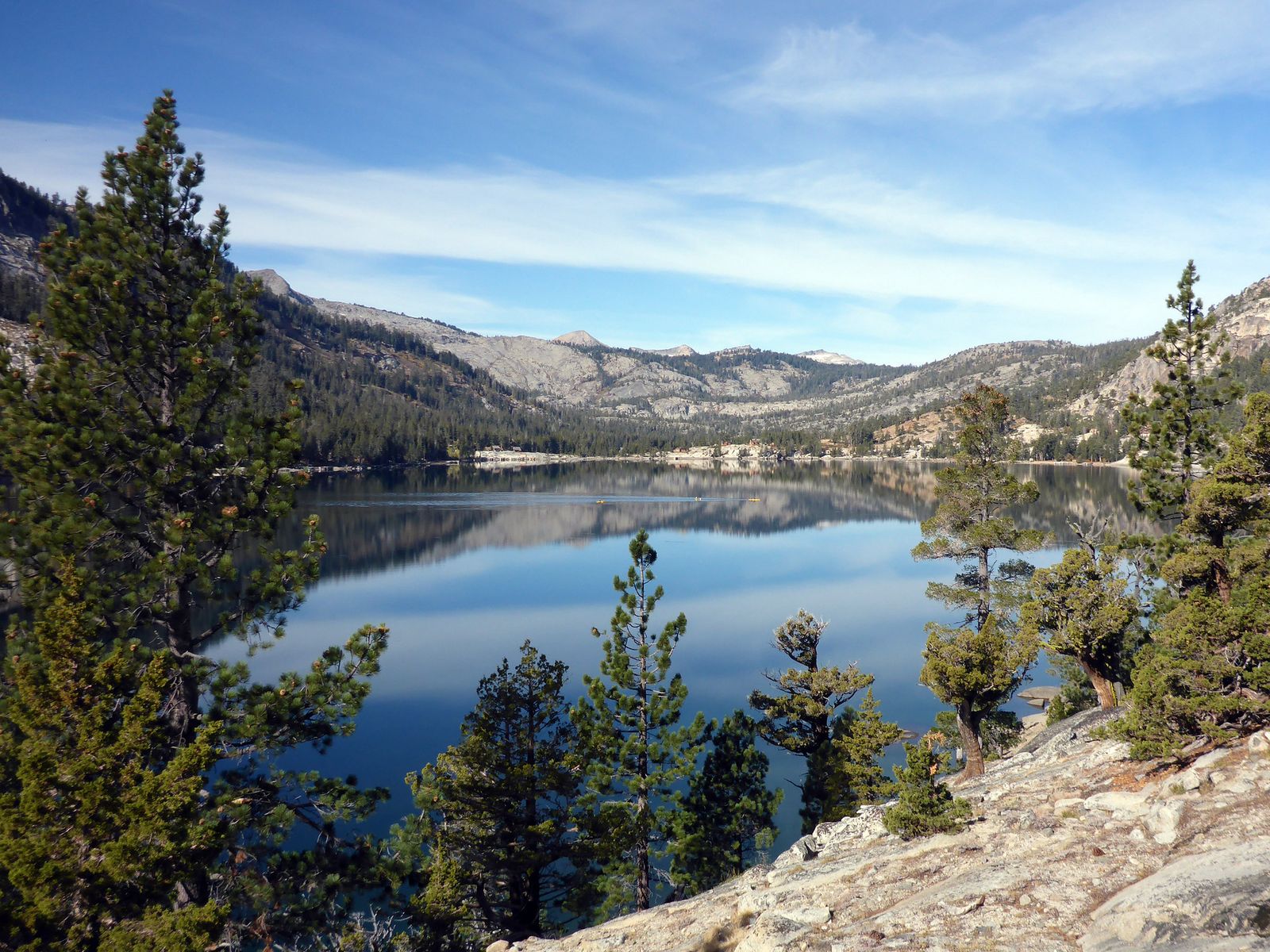
Multi-day loops linking Echo Lakes, Lake Aloha, and the granite terrain of the Crystal Range typically run 20-25 miles over 2 to 4 days, a full-circuit alternative to the shorter day-hike versions of these same destinations covered in our Desolation Wilderness guide.
Note that a 2026 trailhead improvement project at Wrights Lake may cause temporary closures near the Rockbound and Twin Lakes access points; check current conditions if your route depends on either one.
Planning notes
Desolation’s 45 zone-based quota system runs from the Friday before Memorial Day through September 30, with 70% of permits reservable up to six months ahead on Recreation.gov and the remaining 30% released as walk-ups.
This is comparable in difficulty to the Rae Lakes Loop; plan your reservation the moment the six-month window opens if you want a specific summer weekend.
Point Reyes Coast Camp Loop (Marin County)
Why it’s a great loop: the only coastal, rather than alpine, option on this list
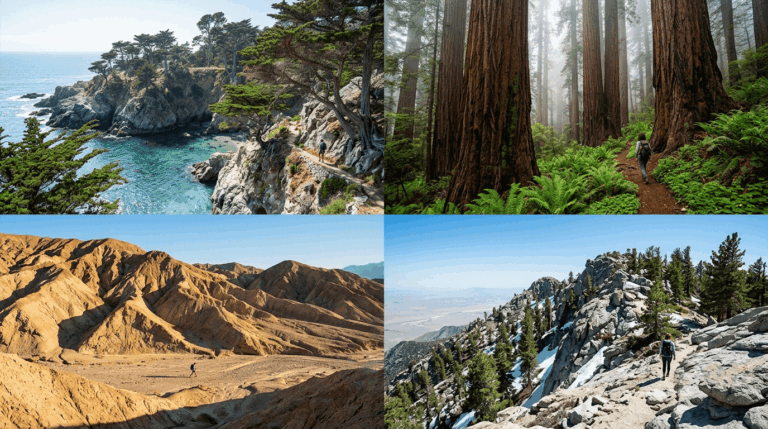
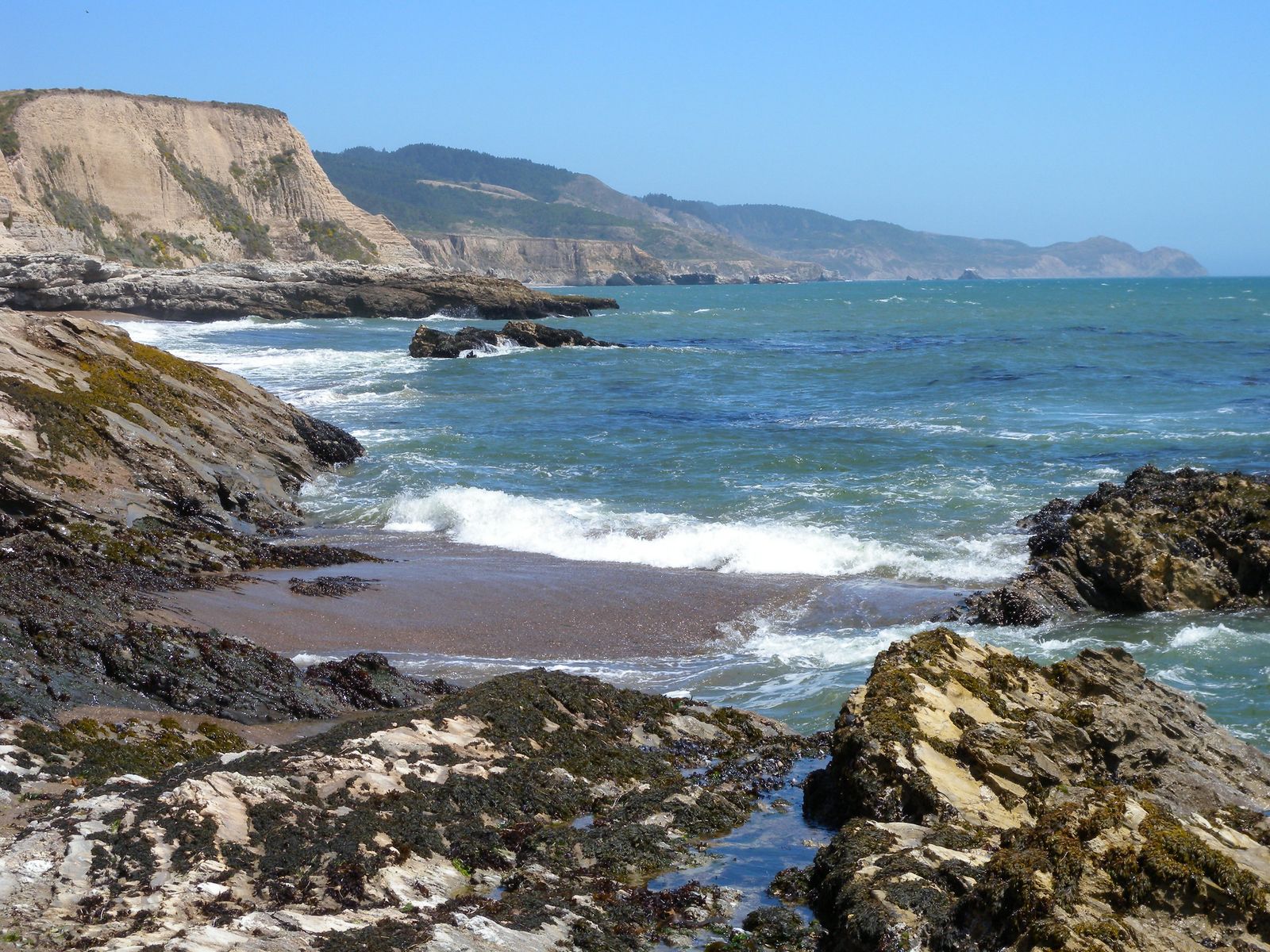
Every other trip on this list is Sierra granite; this one is coastal bluffs, Douglas fir forest, and beach camping. A straightforward overnight from the Bear Valley Trailhead to Coast Camp runs about 14-15 miles round trip, and hikers looking for more can extend into a 20+ mile, multi-camp version linking Coast, Glen, and Sky Camps over 2 to 3 nights.
Planning notes
Point Reyes uses a reservation-based backcountry camping system through Recreation.gov, not a wilderness permit quota; the distinction matters, since there’s no walk-up option here at all.
As of 2026, reservations open a maximum of three months ahead (not the six-month window common at Sierra trailheads), and popular summer weekends at all four campgrounds routinely book solid the moment that window opens.
Ansel Adams Wilderness Loop (Mono County)
Why it’s a great loop: connecting Thousand Island Lake, Shadow Lake, and Minaret Lake
Starting from Agnew Meadows, loops connecting Thousand Island Lake, Shadow Lake, and nearby Ediza or Garnet Lakes typically run 20-30 miles over 3 to 4 days through the Ansel Adams Wilderness, a continuous circuit rather than day-tripping each lake separately from the Reds Meadow shuttle stop.
Planning notes
Trailhead-specific quotas apply (for example, the High Trail entry allows 12 reserved plus 8 walk-up permits daily), bookable six months out on Recreation.gov.
Access runs through the same Reds Meadow Road corridor covered in our JMT guide, where 2026’s ongoing road reconstruction has cut public access to weekends only for most of the season; confirm the current shuttle schedule before you lock in dates, since a midweek arrival could leave you stuck at the gate.
Loops at a Glance
| Loop | County | Approx. Distance | Typical Length | Permit Type |
|---|---|---|---|---|
| Rae Lakes Loop | Fresno | ~41 mi | 3-5 days | Competitive quota (Recreation.gov) |
| Tahoe Rim Trail | Multi-county (CA/NV) | ~165-174 mi (full) | 10-15 days (or shorter sections) | None, except Desolation Wilderness segment |
| Ten Lakes Loop | Tuolumne | ~12-22 mi | 2-3 days | Standard Yosemite wilderness permit |
| Emigrant Wilderness Loop | Tuolumne | ~19.5 mi | 1-3 days | Free self-issue, no quota |
| Desolation Wilderness Loop | El Dorado | ~20-25 mi | 2-4 days | Competitive quota (Recreation.gov) |
| Point Reyes Coast Camp Loop | Marin | ~14-20+ mi | 1-3 nights | Reservation-based campground system |
| Ansel Adams Wilderness Loop | Mono | ~20-30 mi | 3-4 days | Trailhead-specific quota (Recreation.gov) |
Whichever loop you pick, the planning shape is the same: check the permit type before you fall in love with a specific route, because “free and simple” (Emigrant) and “book it the moment the window opens” (Rae Lakes, Desolation) require completely different timelines.
If a loop’s permit falls through, most of these have a less-competitive neighbor on this same list worth trying instead.
Frequently Asked Questions About Best Multi-Day Backpacking Loops in California
What is the best multi-day backpacking loop in California?
It depends on your priorities. For pure Sierra scenery and a real challenge, I’d point experienced backpackers to the Rae Lakes Loop. For beginners or anyone who wants the easiest permit process, the Emigrant Wilderness Loop is the better starting point.
Are loops easier to plan than point-to-point trails?
Generally, yes, you skip the shuttle logistics, second car, or hitchhike back to your trailhead that point-to-point trails like the JMT require. Permit difficulty still varies widely between loops, though, so “easier to plan” doesn’t always mean “easier to get a permit for.”
Do all of these loops require a wilderness permit?
Most do, but the type varies significantly, from Emigrant Wilderness’s free self-issue system with no quota, to Rae Lakes’ and Desolation’s highly competitive reservation systems, to Point Reyes’ separate reservation-based campground model rather than a traditional wilderness permit.
What is a good first multi-day backpacking loop for beginners?
The Emigrant Wilderness Loop is a strong choice: a manageable distance, frequent water and campsite options, and by far the simplest permit process on this list. Point Reyes’ Coast Camp overnight is an even gentler introduction if alpine elevation isn’t part of what you’re after yet.
How much food do you need for a multi-day loop?
Most backpackers plan for 1.5 to 2.5 pounds of food per person per day, adjusted up for colder nights or bigger mileage days. For the shorter loops here (Emigrant, Point Reyes, Ten Lakes), that’s simple enough to carry entirely from the trailhead without a resupply.
Can you day-hike parts of these loops instead of backpacking the whole thing?
Yes, and several of these destinations- Thousand Island Lake, Lake Aloha, Rae Lakes’ lower approach- are popular day hikes in their own right. You’ll see the lakes either way; you just won’t get the full multi-day loop experience or the quieter early-morning and evening light at camp.