What Is a Hiking Trail? A Beginner’s Guide to Hiking in California
What Is a Hiking Trail? A hiking trail is a mapped, managed footpath built for walking through natural terrain, distinct from a sidewalk, a paved bike path, or the game trail a deer left through the brush. In California, that covers everything from a half-mile boardwalk over a coastal marsh to a 211-mile trek through the Sierra Nevada. I’ve spent the last four-plus years cataloguing trails across this state, and the question I get most from new hikers isn’t “where should I go”, it’s “what actually counts as a trail.” Here’s the real answer, plus what you need to plan your first hike in California.
Disclosure: Please note that some of the links below are affiliate links and at no additional cost to you, I may earn a commission. Know that I only recommend hiking gear I personally stand behind; when you use my affiliate links, it helps me run this blog and keep all of this content free of charge for readers (like you).
Key takeaways
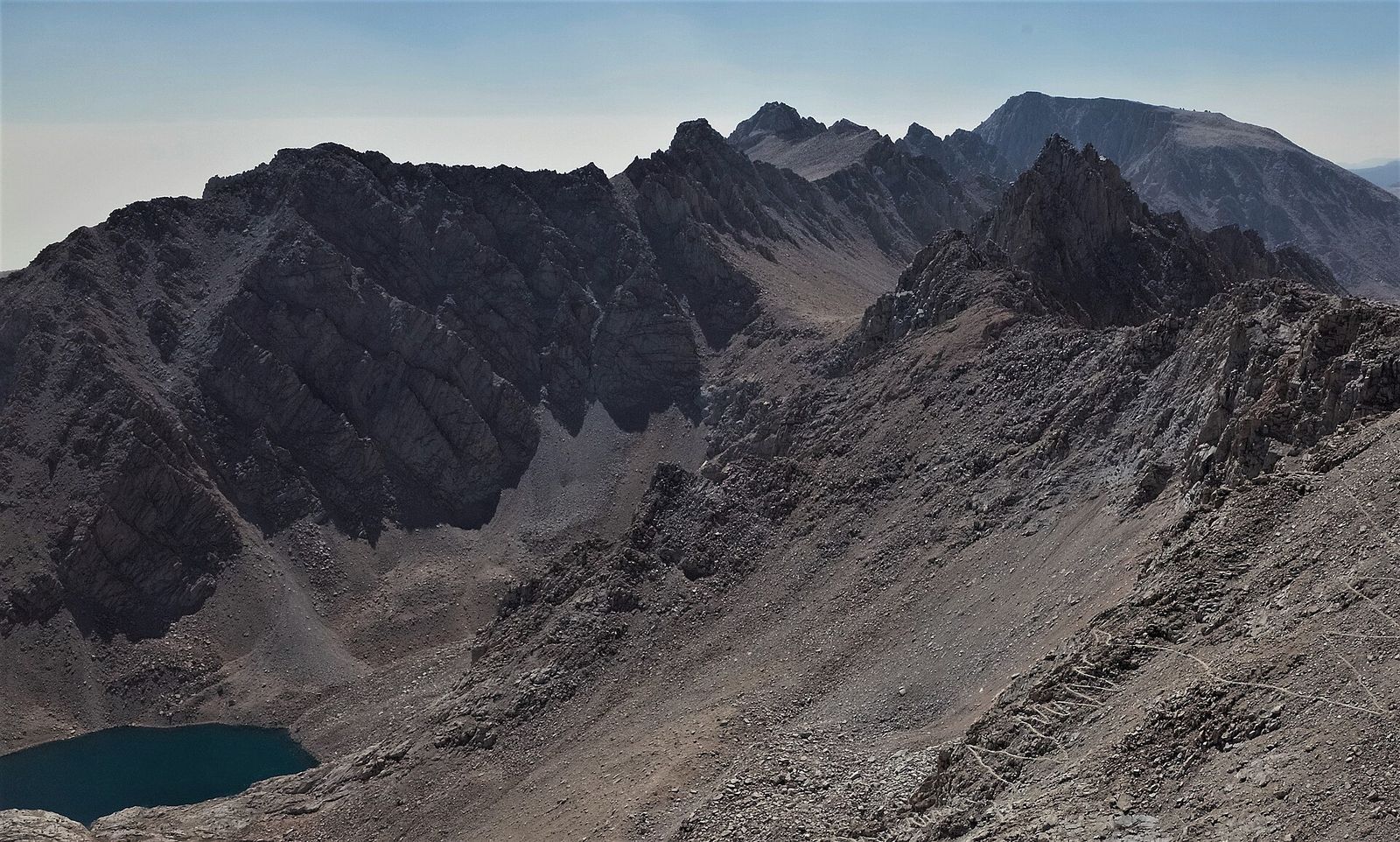
- A trail is a managed footpath, not just any path: built, marked, and maintained by an agency like the NPS, USFS, California State Parks, or a county park district.
- California carries more trail mileage than any other state: state parks alone maintain 5,200+ mi across 280 parks; the statewide total tops 13,000 mi.
- Most day hikers only need three route shapes: loop, out-and-back, and point-to-point.
- No permit needed for a standard day hike: the exceptions are high-demand routes like Half Dome and Mt. Whitney, which run their own lotteries on Recreation.gov.
- Five non-negotiables for any first hike: water, terrain-matched footwear, offline navigation, sun protection, a way to reach help.
- Best place to start: a short loop trail at a county or regional park, not a national park icon. Save Half Dome for season two.
What is a hiking trail? The simple definition everyone skips
Strip away the marketing language and a hiking trail is this: a defined route through natural terrain, built and maintained for people to walk, and sometimes run, bike, or lead pack animals, through it. Not every dirt path someone’s worn into a hillside qualifies.
That distinction changes what you can trust. An official trail has a trailhead, a direction of travel, a name, a published mileage, and a maintaining agency behind it. A “social trail”, worn in by hikers cutting a switchback, has none of that. I wouldn’t trust one for elevation data, or for my safety.
How a hiking trail differs from a walking path or a road
A walking path is usually paved or graded, built as much for strollers and wheelchairs as for hikers. A road is built for vehicles first; walking it is tolerated, not designed for. A hiking trail sits beyond both, routed through terrain a road wouldn’t bother with.
My rule: if you could push a stroller down it without breaking a sweat, call it a walking path. If an agency built it through terrain a road can’t reach, call it a trail.
Who actually builds and maintains hiking trails in California
Four kinds of organizations build and maintain California’s trails. The National Park Service manages trail inside places like Yosemite and Redwood National Park. The U.S. Forest Service covers national forest land, where a huge share of the Sierra Nevada’s mileage lives. California State Parks maintains trail across its 280 parks, and county or regional districts, East Bay Regional Park District, Midpeninsula Regional Open Space, and dozens like them, handle everything closer to home.
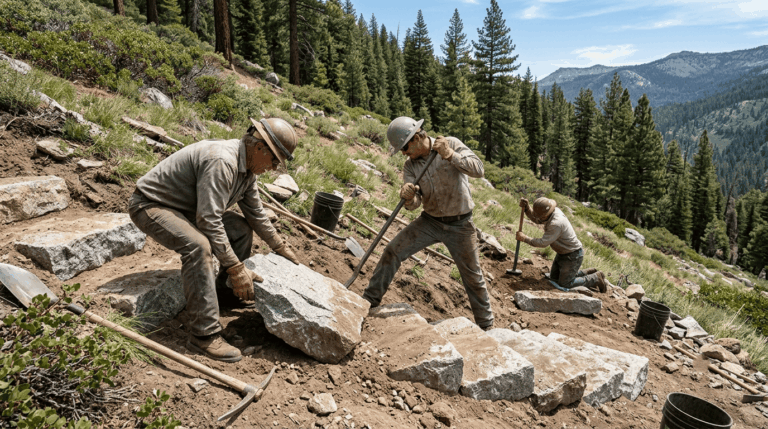
Behind all four, volunteer crews do an enormous amount of the actual work: clearing downed trees, rebuilding switchbacks, repainting blazes. A well-kept trail was probably touched by a volunteer more recently than a ranger.
Why hiking trails matter more than most people realize
Trails aren’t just recreation infrastructure. They’re doing three jobs at once, for your body, for the land, and for the towns near the trailhead, and most beginners only ever think about the first one.
Physical and mental health benefits of hiking trails
Hiking is one of the few workouts that doesn’t feel like one. You get a full cardio and lower-body session, more with real elevation gain, while your brain scans a view instead of a treadmill display. We cover the full science behind this in our physical health benefits of hiking guide and mental health benefits guide.
The mental-health case is just as strong: time on trail is consistently linked to lower reported anxiety and rumination, and I notice it in myself within the first mile, every time. Managing stress specifically? Pick tree cover and moving water over an exposed ridge walk.
How hiking trails support California’s environment and wildlife
A well-built, well-used trail protects the land around it, concentrating foot traffic onto one durable surface instead of letting hikers trample new paths every time someone steps around a puddle.
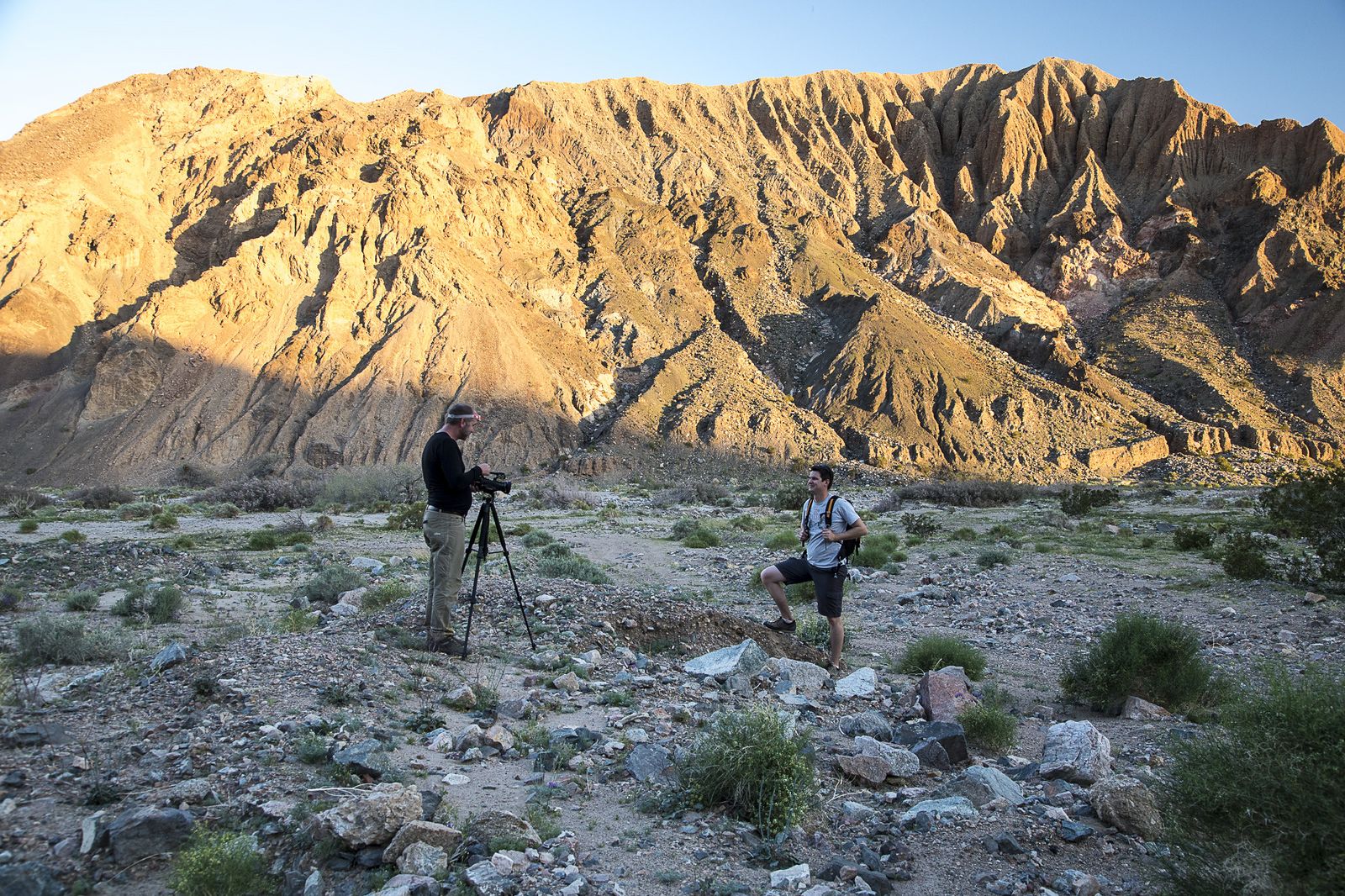
Trails also buffer wildlife corridors, and Leave No Trace principles, stay on the trail, pack it out, give wildlife space, exist to keep that balance intact. Step off-trail in the Mojave Desert and you can damage biological soil crust that takes decades to recover. I’ve seen boot-print scars out there older than I am.
The economic value of hiking trails to California communities
Trail towns build entire local economies around a trailhead: gear shops, breakfast spots, shuttle services. California’s state park system alone draws close to 70 million visits a year, and hikers account for a meaningful share of that spending. Learn more about this in our community & social impact guide.
I’ve watched small Sierra foothill towns shift from sleepy to thriving almost entirely because a nearby trailhead started showing up on hiking apps. That’s the real economic argument for keeping trails funded, not just a nice-to-have talking point.
What makes California’s hiking trails different from everywhere else
Plenty of states have trails. California is the only one that gives you alpine granite, redwood rainforest, and open desert within a single tank of gas, which is why this state’s trail system needs its own rulebook.
California’s six hiking regions, and how each one feels underfoot
| Region | What the trail feels like | Example landscape |
|---|---|---|
| Sierra Nevada | Granite switchbacks, alpine lakes, real elevation gain | Yosemite, Kings Canyon |
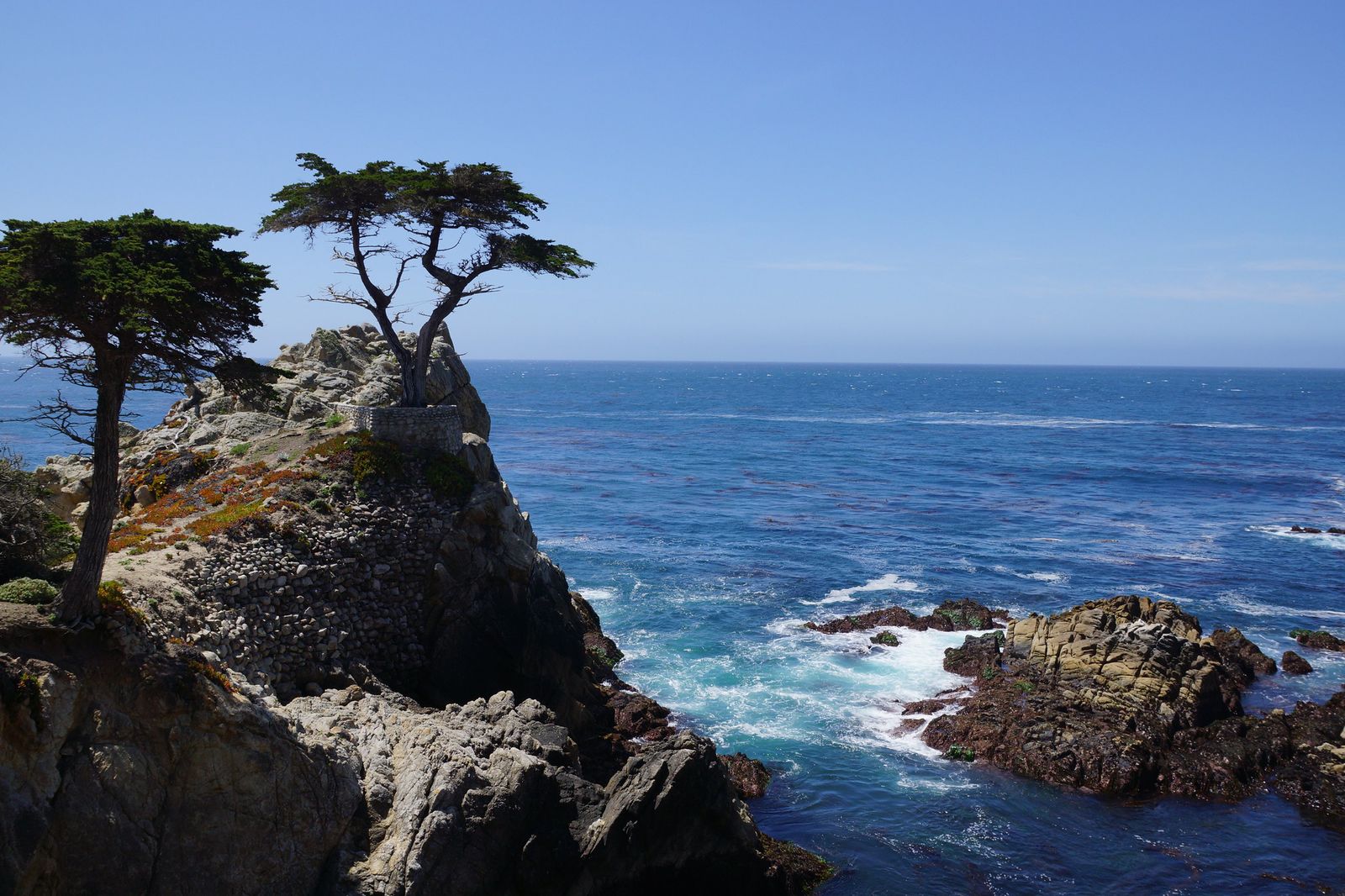
| Coastal Range / Central Coast | Oak grassland, fog-belt ridgelines, ocean views | Big Sur, Santa Cruz Mountains |
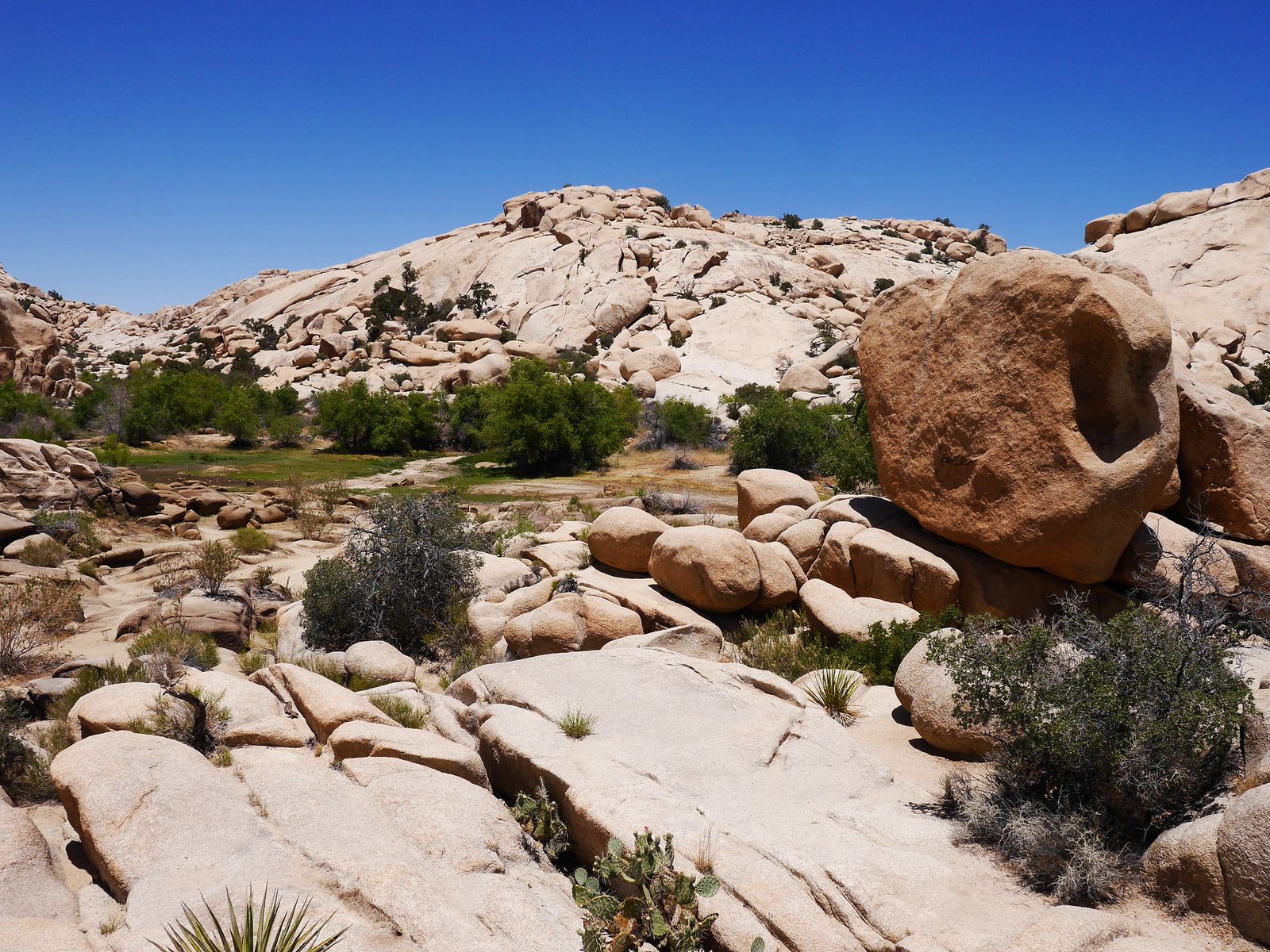
| Mojave Desert | Open, exposed, heat-managed hiking | Joshua Tree, Death Valley |
| Redwood Coast / North Coast | Shaded, damp, old-growth canopy | Redwood National Park, Humboldt |
| Central Valley foothills | Rolling oak woodland, spring wildflower season | Sierra foothill parks |
| SoCal mountains | Chaparral, steep and exposed ridgelines | San Gabriels, San Jacinto |
Pick your first hike by region, not by trail name. A “great trail” in the Mojave in August is a mistake, the same trail in November is a great trail, full stop.
How California’s climate actually shapes trail conditions year-round
California doesn’t really have one hiking season, it has six, one per region. The Mediterranean climate keeps most low-elevation trails best from fall through spring, while high Sierra trails don’t fully open until the snowpack clears, sometimes not until June in a heavy-snow year.
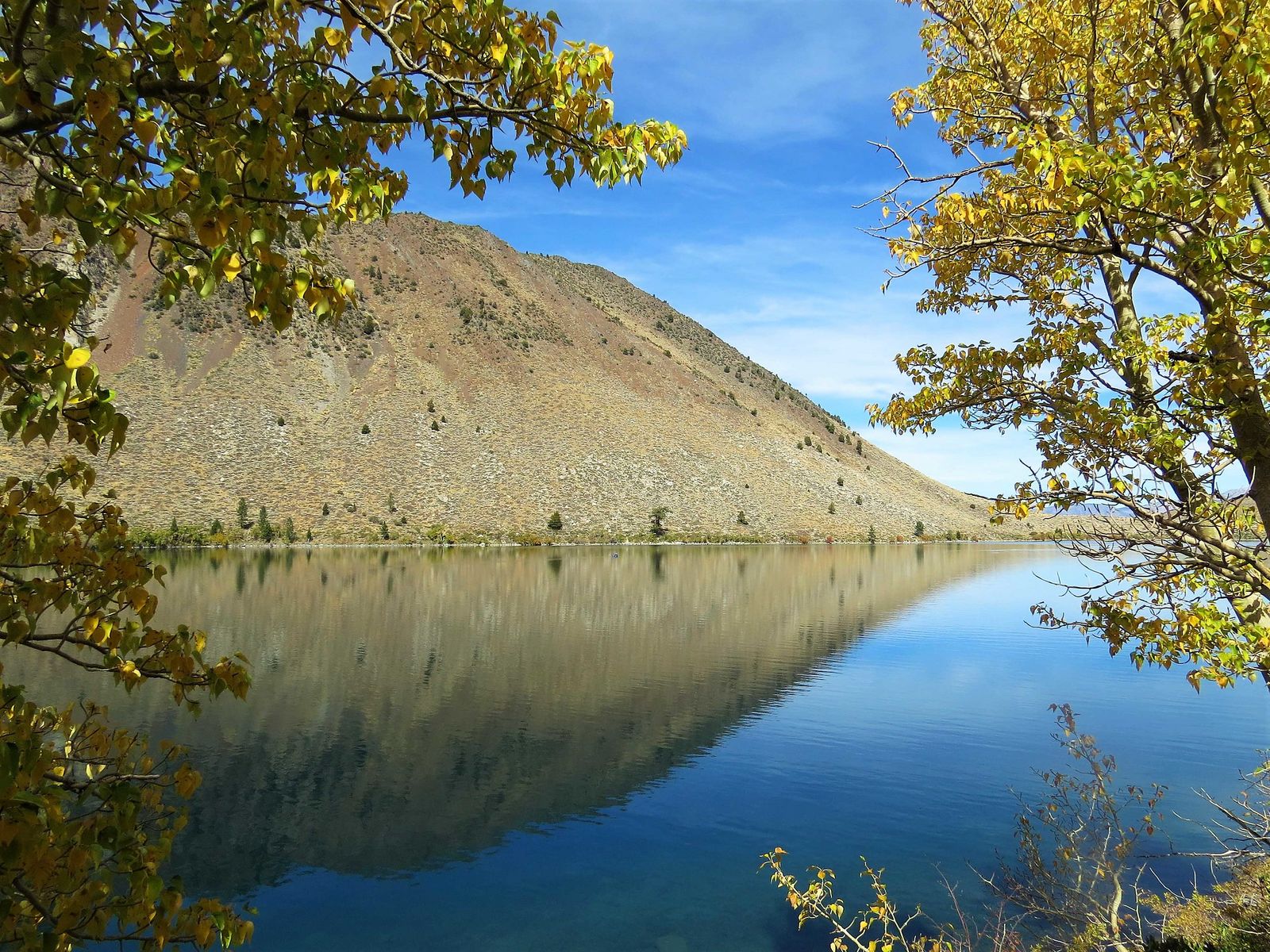
Add fire season (roughly June-October, per CAL FIRE) and coastal fog that can sit over the Redwood Coast for weeks, and “best time to hike” depends entirely on which region you mean. As of July 2026, that’s peak Sierra Nevada season and peak fire-caution season statewide, check CAL FIRE’s current incident map before committing to dry, brushy terrain.
So, how many hiking trails does California actually have?
Nobody keeps one master count, since mileage is split across so many agencies. But the pieces we have make the picture clear: California State Parks alone maintains 5,200+ mi across its 280 parks, per the California State Parks Foundation. Add NPS land, national forest, BLM desert routes, and county/regional systems, and the statewide total is commonly put above 13,000 mi, more than any other state.
That number isn’t worth memorizing. It’s worth understanding: whatever hike you want, California almost certainly has a version of it a few hours away.
The trail types you’ll run into before you’ve even chosen one
You don’t need the full trail taxonomy before your first hike, that’s its own guide, but three basic distinctions will save you a bad afternoon.
Loop, out-and-back, or point-to-point: which shape fits your day
| Route shape | What it means | Best for |
|---|---|---|
| Loop | Starts and ends at the same trailhead | First-timers, one-car trips |
| Out-and-back | Same trail there and back | Anyone who wants an easy turnaround |
| Point-to-point | Different start and end trailheads | Longer days; needs a shuttle |
My rule for a first hike: pick a loop. You never have to make the mental call to turn around early, the trail makes that decision for you.
Paved, dirt, and technical trails: what’s the difference?
Paved trails are stroller- and wheelchair-friendly, usually flat, common in urban and regional parks. Dirt trails are the default for most hiking trails in California: natural surface, some roots and rock, fine in trail runners. Technical trails add scrambling, exposed rock, or loose scree, that’s where I’d recommend a stiffer boot with ankle support.
Don’t assume “hiking trail” means rugged. Some of California’s most-visited trails are fully paved, and that’s not a lesser hike. It’s just a different one. For more on ADA-accessible and paved trails, we have a full guide.
Who can actually hike a hiking trail? Beginner to expert
Is hiking hard? Setting realistic expectations for beginners
Hiking is hard exactly to the degree you make it hard, which is genuinely good news if you’ve never done this before. A flat 2-mi loop and a 16-mi Half Dome day are both “hiking,” but the two have almost nothing else in common.
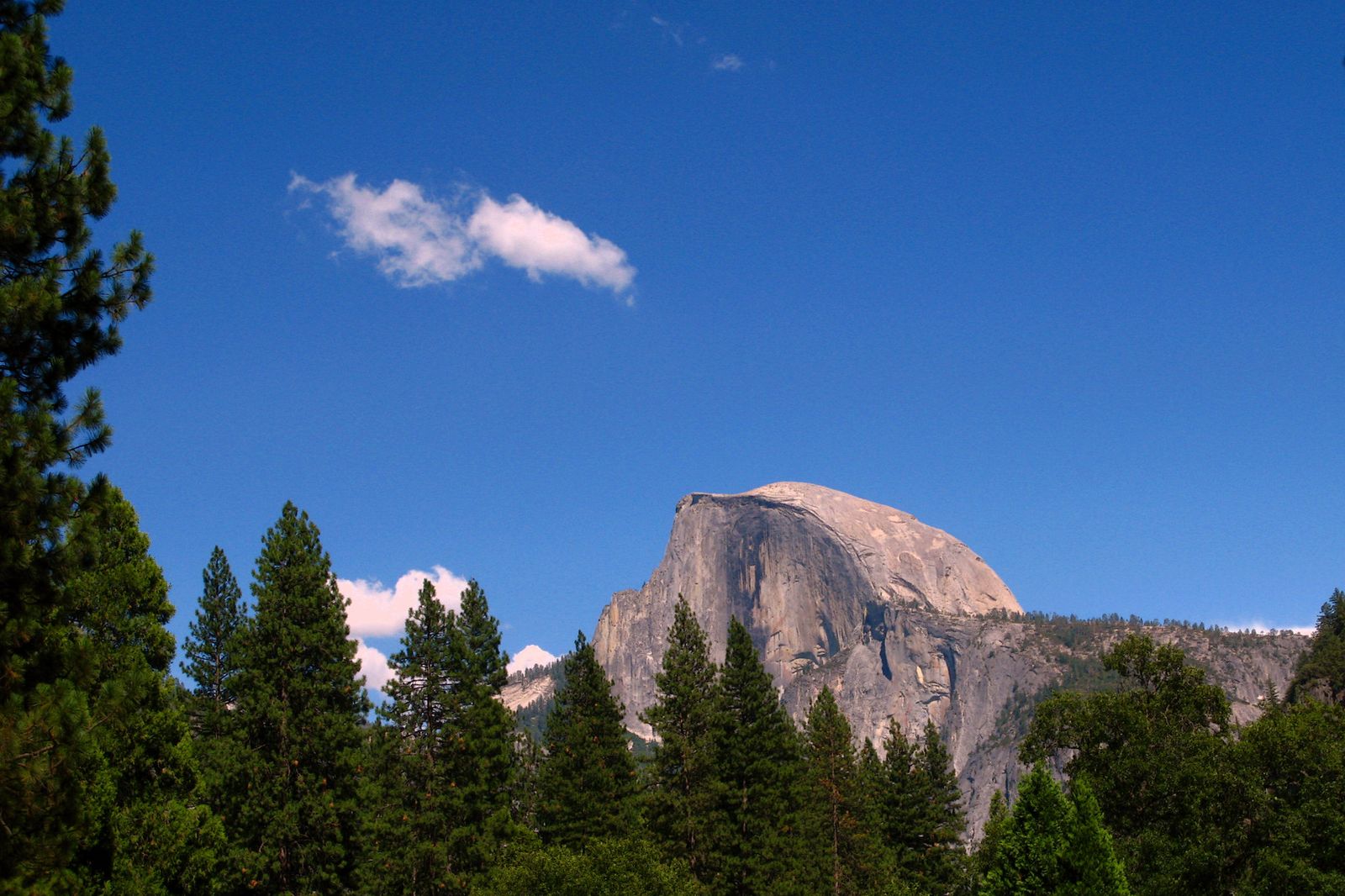
My honest take on trail hiking for beginners: start with a trail under 3 mi and less than 500 ft of elevation gain, and judge how you feel at the halfway point before attempting something bigger. Most beginner frustration comes from picking a trail rated for someone else’s fitness, not their own. Our difficulty ratings guide explains exactly what those numbers mean.
Hiking with kids, seniors, and dogs in California
Kids do best on trails with a payoff every 10–15 minutes, a creek crossing, a boulder to climb, not one long grind. Seniors, and anyone managing joint issues, should prioritize surface over distance; dirt and gravel beat a rock scramble.
Dogs are welcome on most county and regional park trails, almost always on-leash, but California State Parks generally don’t allow dogs on trails at all, and national park trails restrict them too; check the specific agency before you assume. Our hiking with dogs guide covers all the rules in detail.
What you actually need to start hiking in California
The five essentials I won’t hike without
- Water, at least 0.5 L per hour of hiking, more in desert heat or summer conditions.
- Footwear that matches the terrain, trail runners for dirt and pavement, boots once rock or real elevation enters the picture.
- A way to navigate that doesn’t need cell signal, a downloaded offline map (AllTrails, Gaia GPS) or a paper map as backup.
- Sun protection, hat, sunscreen, sunglasses. California’s UV index runs high even on cool, overcast days.
- A way to reach help, a charged phone at minimum, a satellite communicator if you’re heading somewhere remote. A full pack list and safety rundown live here once you’re ready to go beyond day one.
For the full breakdown of everything you should carry, see our hiking gear checklist.
How to find and choose your first hiking trail in California
For a first trail, skip the national park icons and start at a county or regional park close to home, that’s where you’ll find the highest concentration of short, well-marked beginner hiking trails. AllTrails filters fastest by distance and elevation; NPS and California State Parks sites are most reliable for closures and permit rules. Check Recreation.gov for any permit requirements.
Wondering where you can go hiking in California with zero planning overhead? Pick the closest county park with a loop under 3 mi, check its conditions page, and go this weekend.
A hiking trail is, at the end of all this, a simple thing: a managed path built to get you through terrain you couldn’t casually walk through otherwise. California just has more of them, in more forms, than anywhere else. Start small, pick a loop, bring the five essentials, and you’ll have a real basis for comparison before you think about permits or difficulty ratings.
Once you’ve got a first hike behind you, the real next question is what kind of trail you want more of, and we break it down next.
Frequently asked questions about hiking trails in California
What is a hiking trail?
How long is a hiking trail?
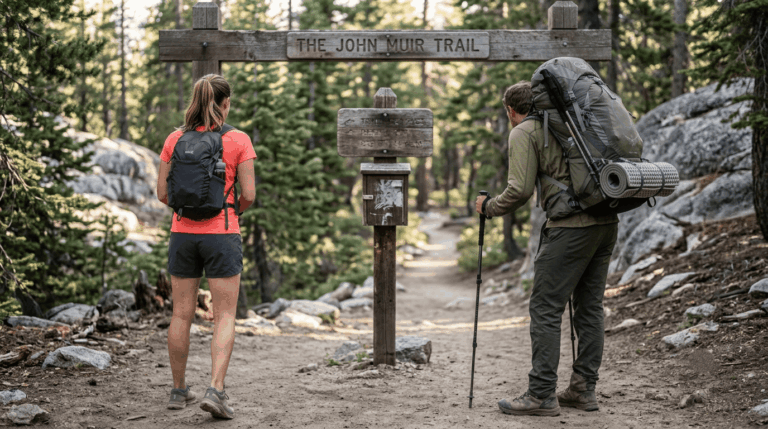
There’s no set length, California trails run from short interpretive loops under a mile to multi-day routes like the 211-mi John Muir Trail. Check a trail’s specific stats on the maintaining agency’s site or AllTrails rather than guessing from the name.
What hiking trails are open near me right now?
This changes by season and by fire or storm activity, so check the maintaining agency’s current alerts page, NPS, CA State Parks, or your county parks site against recent AllTrails reviews from the last week. As of July 2026, that combination is your fastest way to confirm a real status before you drive out.
Do I need a permit to hike in California?
Not for a standard day hike on most trails; the majority of the state’s mileage is permit-free. The exceptions are high-demand routes like Half Dome, preseason lottery runs March 1–31 on Recreation.gov, and Mt. Whitney, plus overnight wilderness permits for backcountry trips.
Are California hiking trails free to access?
Most trails themselves are free, though many state and some regional parks charge a day-use vehicle fee, often $5–$12. National parks typically charge an entrance fee unless you’re using an interagency pass, so budget for parking, not the trail.
What’s the best time of year to start hiking in California?
Fall through spring is easiest for beginners at low elevation, since summer heat and fire-season smoke complicate lower-elevation and desert hikes. Set on the Sierra Nevada? Wait until the high-country snow clears, usually June or later.