Best Hiking Trails in Kings Canyon & Sequoia National Parks
Kings Canyon and Sequoia National Parks are administered as a single national park unit, but they deliver two genuinely different hiking experiences: Sequoia’s giant trees and accessible day hikes, Kings Canyon’s deep canyon walls and serious backcountry. I’ve spent four-plus years cataloging trails across this state, and the pairing of these two parks under one entrance fee is one of the best values in the entire national park system if you know which trails to prioritize in each.
Disclosure: Please note that some of the links below are affiliate links and at no additional cost to you, I may earn a commission. Know that I only recommend hiking gear I personally stand behind; when you use my affiliate links, it helps me run this blog and keep all of this content free of charge for readers (like you).
Too many first-time visitors treat this as one park and end up spending their whole trip in Sequoia’s Giant Forest without ever reaching Kings Canyon’s more dramatic terrain, or vice versa. This guide covers the best hikes in both, plus the permit and fee details that changed this year.
Key takeaways:
- Sequoia and Kings Canyon are managed jointly by NPS but have distinct character: Sequoia for big trees and easy access, Kings Canyon for deep canyon terrain and backpacking.
- Moro Rock (0.5 mi) delivers the best view-to-effort ratio in either park; the Rae Lakes Loop (about 41 mi) is the premier multi-day backpacking trip.
- The standard entrance fee is $35 per vehicle for 7 days, but as of January 1, 2026, non-U.S. residents aged16+ pay an additional $100 surcharge per person.
- Kings Canyon Scenic Byway closes seasonally for winter (roughly November through April/May); Generals Highway connecting the two parks stays open year-round, weather permitting.
- Day-hiking Mist Falls needs no permit; overnight trips into the backcountry, including the Rae Lakes Loop, require a wilderness permit and bear canister.
Why Sequoia and Kings Canyon are managed as one destination for hikers
The National Park Service administers Sequoia and Kings Canyon as a single combined unit covering more than 860,000 acres, sharing infrastructure, staff, and a single entrance fee, even though they’re often talked about as separate parks. See how they fit into the broader park system in our California national parks hiking guide.
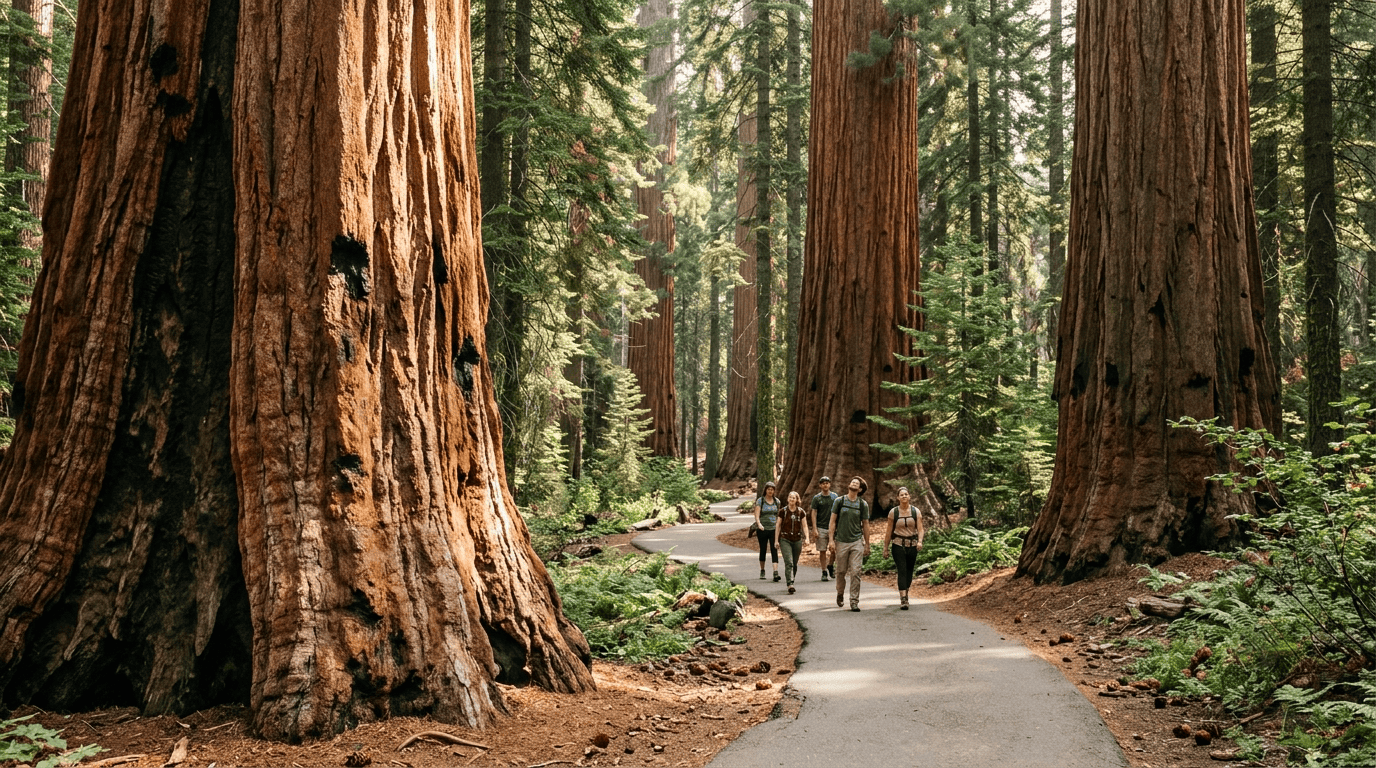
Sequoia is where you’ll find the giant sequoia groves and the bulk of easy, accessible trails, giving you immediate access to many top Sequoia National Park attractions. Kings Canyon is the wilder, deeper half, with more serious elevation and fewer crowds once you’re past the main viewpoints. To complement your hiking itinerary with scenic viewpoints and non-hiking sights, take a look at our overview of things to do in Kings Canyon.
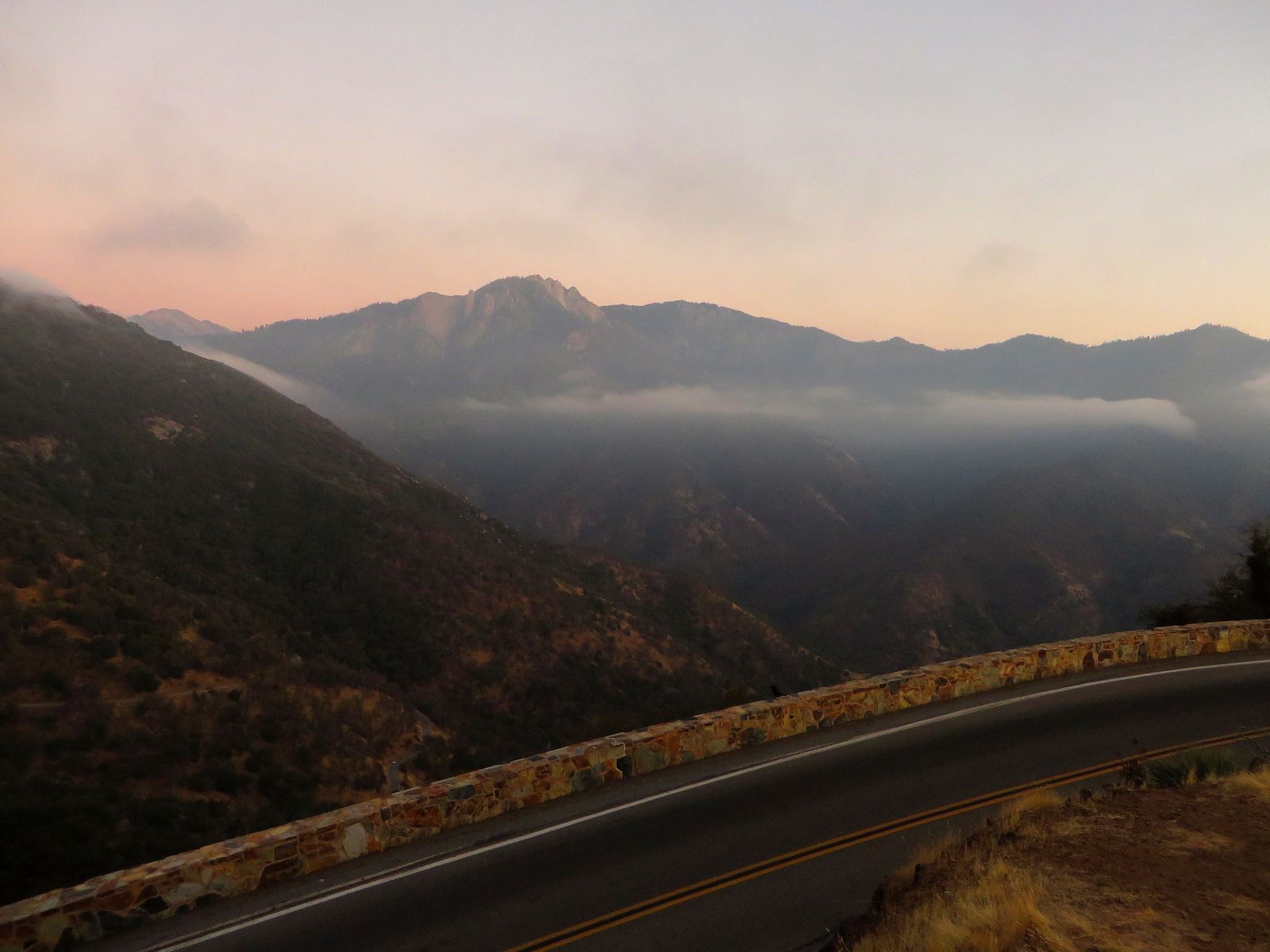
The two parks connect via the Generals Highway, a winding mountain road that makes it entirely feasible to hike in both on the same trip if you budget enough driving time between them.
Sequoia vs. Kings Canyon: which park should you hike first?
If you have limited time or are hiking with a family, start in Sequoia; the Giant Forest area concentrates the big-tree payoff into short, easy trails with real visitor infrastructure nearby, including a museum, shuttle service, and multiple lodging options within a short drive.
If you’re after solitude, serious elevation, or a multi-day backpacking trip, Kings Canyon is where you’ll spend your time, since its trails skew longer. Its canyon terrain draws a smaller, more committed crowd than Sequoia’s roadside groves. Neither park is objectively “more popular” in a way that should decide your itinerary. Sequoia sees more casual day-trip traffic simply because its highlights sit closer to the road.
Best easy hiking trails in Sequoia National Park
Congress Trail: walking among the world’s largest trees
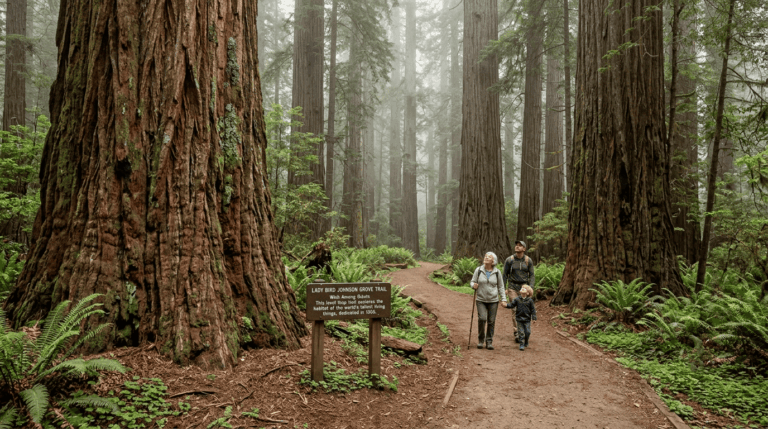
This 2-mile paved loop starts right at the General Sherman Tree, the largest tree on Earth by volume, and winds past other named giants including the General Lee Tree and the McKinley Tree.
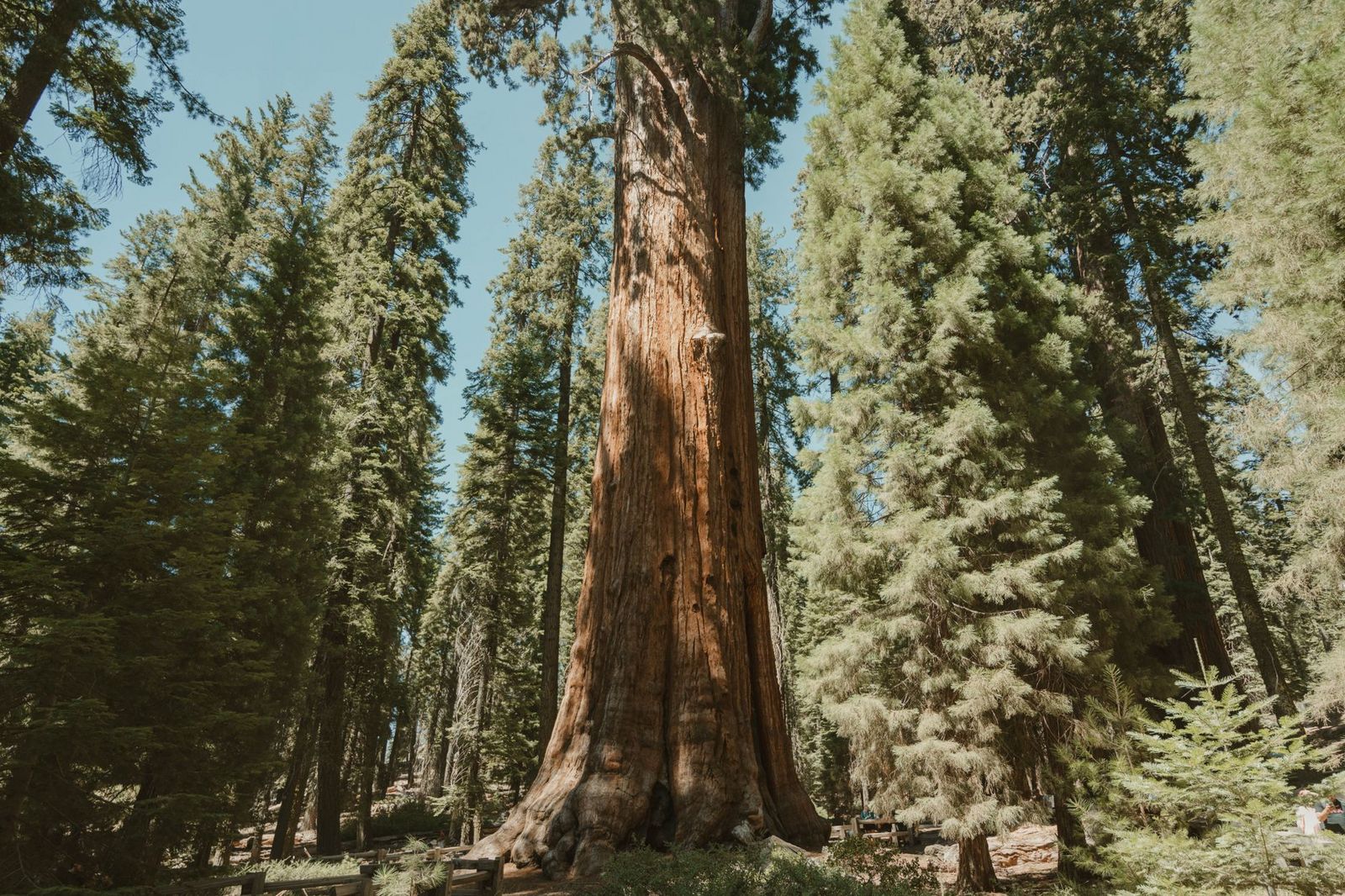
There’s essentially no elevation gain, and the paved surface makes it one of the most accessible trails in either park, suitable for strollers and wheelchairs with assistance on some sections. Give yourself at least an hour if you want to actually read the interpretive signage rather than just walk past the trees.
Tokopah Falls Trail: Sequoia’s best moderate waterfall hike
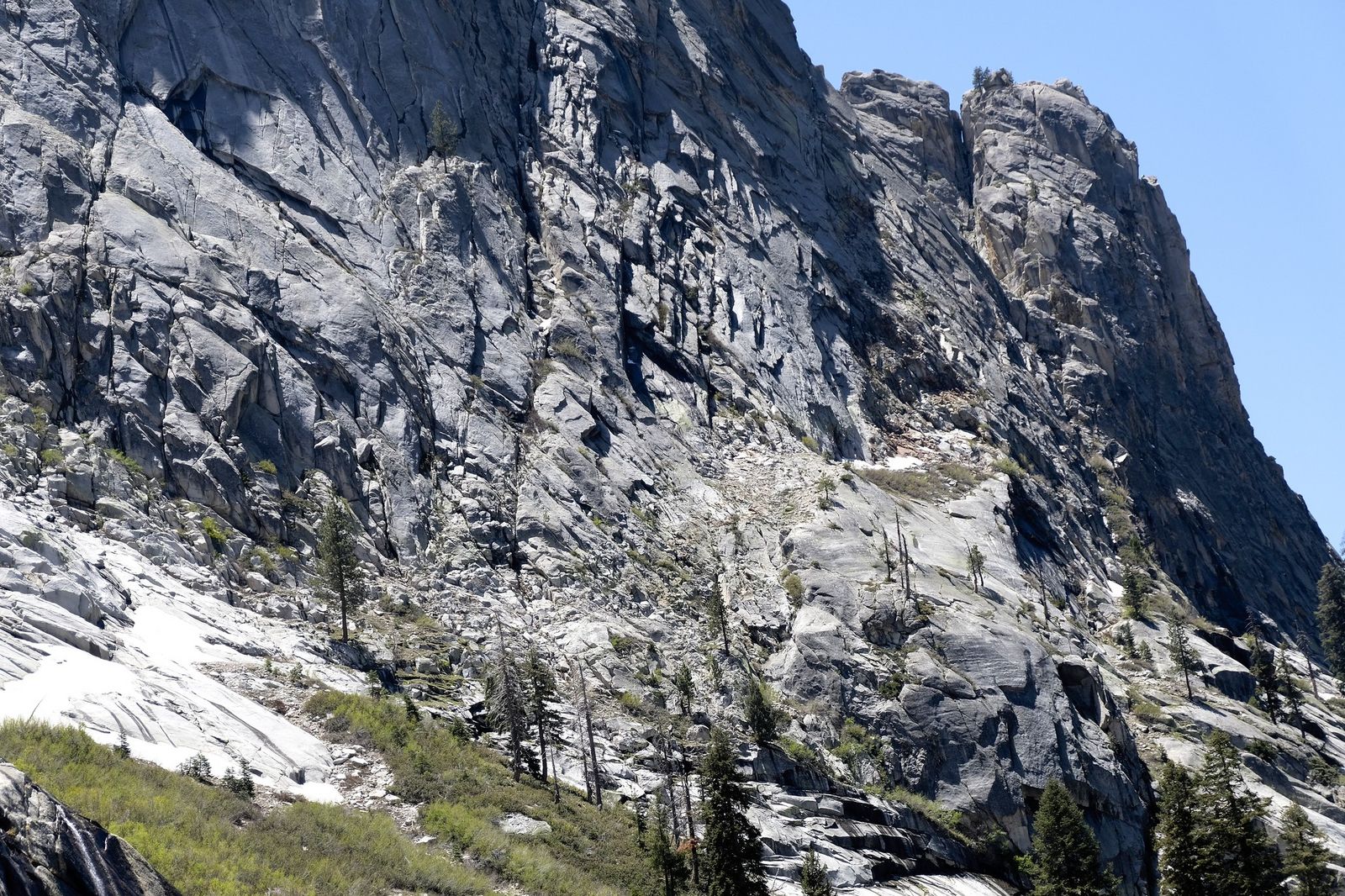
At 3.4 miles round-trip with about 500 ft of gain, this trail from the Lodgepole area climbs to a dramatic 1,200 ft granite cascade. Peak flow hits in May and June during snowmelt, when the falls are at their most dramatic; by late summer the flow can drop to a trickle, so time your visit accordingly if the waterfall itself is the point. This cascade is a highlight of California waterfall hikes in the southern Sierra. Expect real crowds on summer weekends given how accessible the trailhead is from the Lodgepole campground and visitor area.
Moro Rock: Sequoia’s best summit view with the least effort
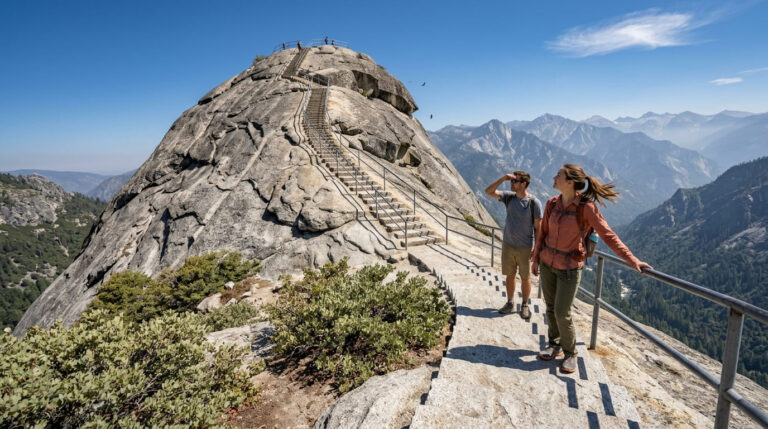
Just half a mile round-trip with about 300 ft of gain, Moro Rock delivers one of the best view-to-effort ratios of any hike in California. A carved granite staircase of roughly 350–400 steps leads to a 360-degree summit view stretching from the Great Western Divide to the Central Valley on a clear day.
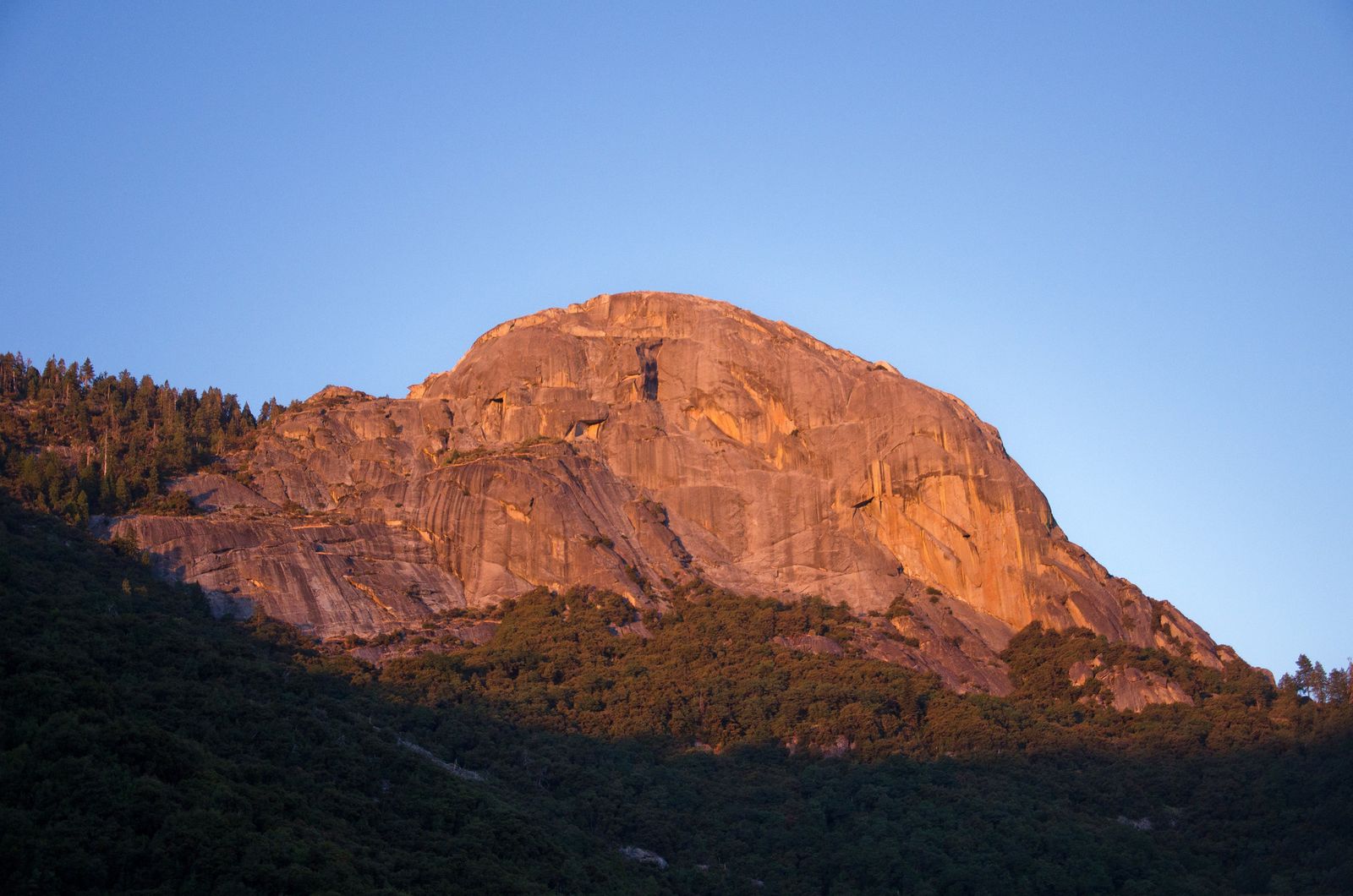
The staircase narrows enough that hikers with a fear of heights should think twice, and wind on the exposed sections can make footing genuinely tricky; no permit is needed, just the standard park entrance fee. Go early morning or evening in summer to avoid both the heat and the crowds bottlenecking on the narrow steps.
Best hiking trails in Kings Canyon National Park
Zumwalt Meadows Loop: Kings Canyon’s most scenic easy trail
A flat 1.5-mile loop across the canyon floor, with Kings River views and massive granite walls rising directly overhead, one of the best low-effort payoffs in Kings Canyon. The access road closes in winter, so this is strictly a warm-season trail, and it’s an easy add-on if you’re already headed to Road’s End for a longer hike.
Mist Falls: Kings Canyon’s best day hike to a major waterfall
This roughly 8-mile round-trip from the Road’s End trailhead climbs about 900 ft to one of California’s higher-volume waterfalls. Day hikers don’t need a wilderness permit for this one; only overnight backpackers heading further into the backcountry do, which makes it one of the more approachable serious day hikes in either park.
The trail starts sandy and flat before the elevation gain concentrates near the end, so pace yourself early and save energy for the final push. Make sure to pack the essentials from our hiking gear checklist for the longer carry.
Rae Lakes Loop: the best multi-day backpacking trail in Kings Canyon
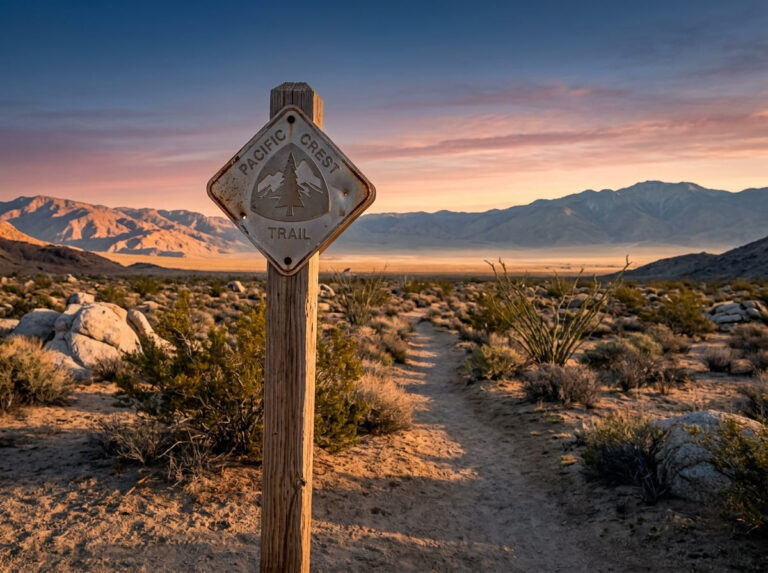
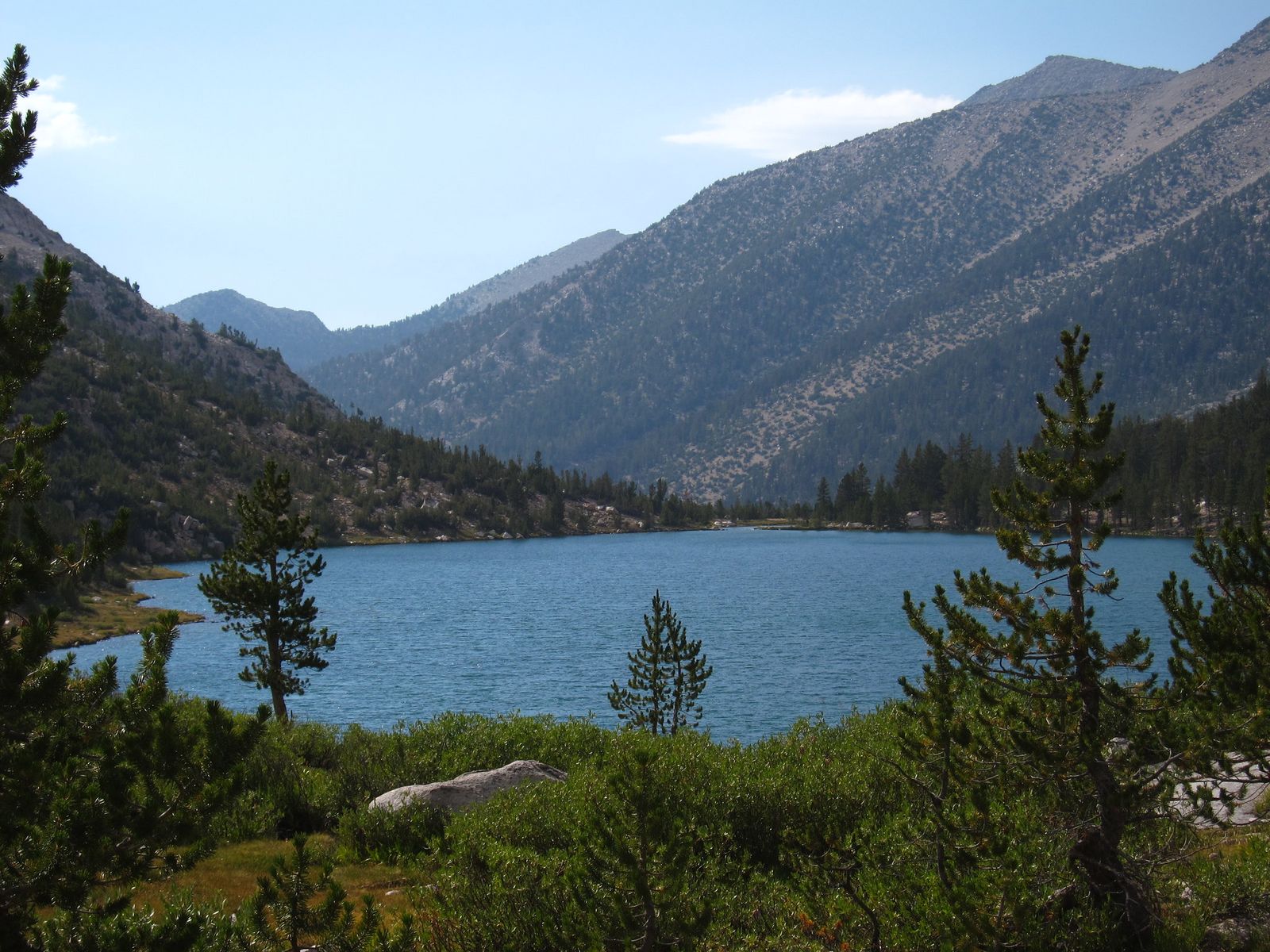
At roughly 41 miles with substantial cumulative elevation gain (figures commonly range from about 7,700 to 9,000 ft depending on how it’s measured), most backpackers complete this loop in 3 to 5 days, crossing Glen Pass on the JMT/PCT corridor along the way.
A wilderness permit and bear canister are both required; permits released on a rolling basis 6 months in advance through Recreation.gov at 7 a.m. Pacific, though a limited number of walk-up permits are also available for those without a reservation.
Most hikers go clockwise from the Woods Creek Trail for a more gradual elevation profile, though the counterclockwise Bubbs Creek approach has its own advocates; either way, you’ll pass Dollar Lake, Arrowhead Lake, and the namesake Rae Lakes themselves before the Glen Pass climb. To understand the preparation differences between day hikes and multi-day treks like this, read our backpacking vs. day hiking guide.
What hiking trail is closest to the General Sherman Tree?
The General Sherman Tree is the largest tree on Earth by volume, and it’s understandably the single most-visited point in either park, which means parking and crowd management here deserve real planning, not an assumption that you’ll just pull up and walk in.
How to find and hike to the General Sherman Tree in Sequoia
The Congress Trail begins directly at the General Sherman Tree, making it the closest and most obvious trail option. In summer, a free shuttle serves the main Sherman Tree parking lot, since the lot itself fills quickly and roadside parking is limited and often unsafe on the narrow mountain shoulder.
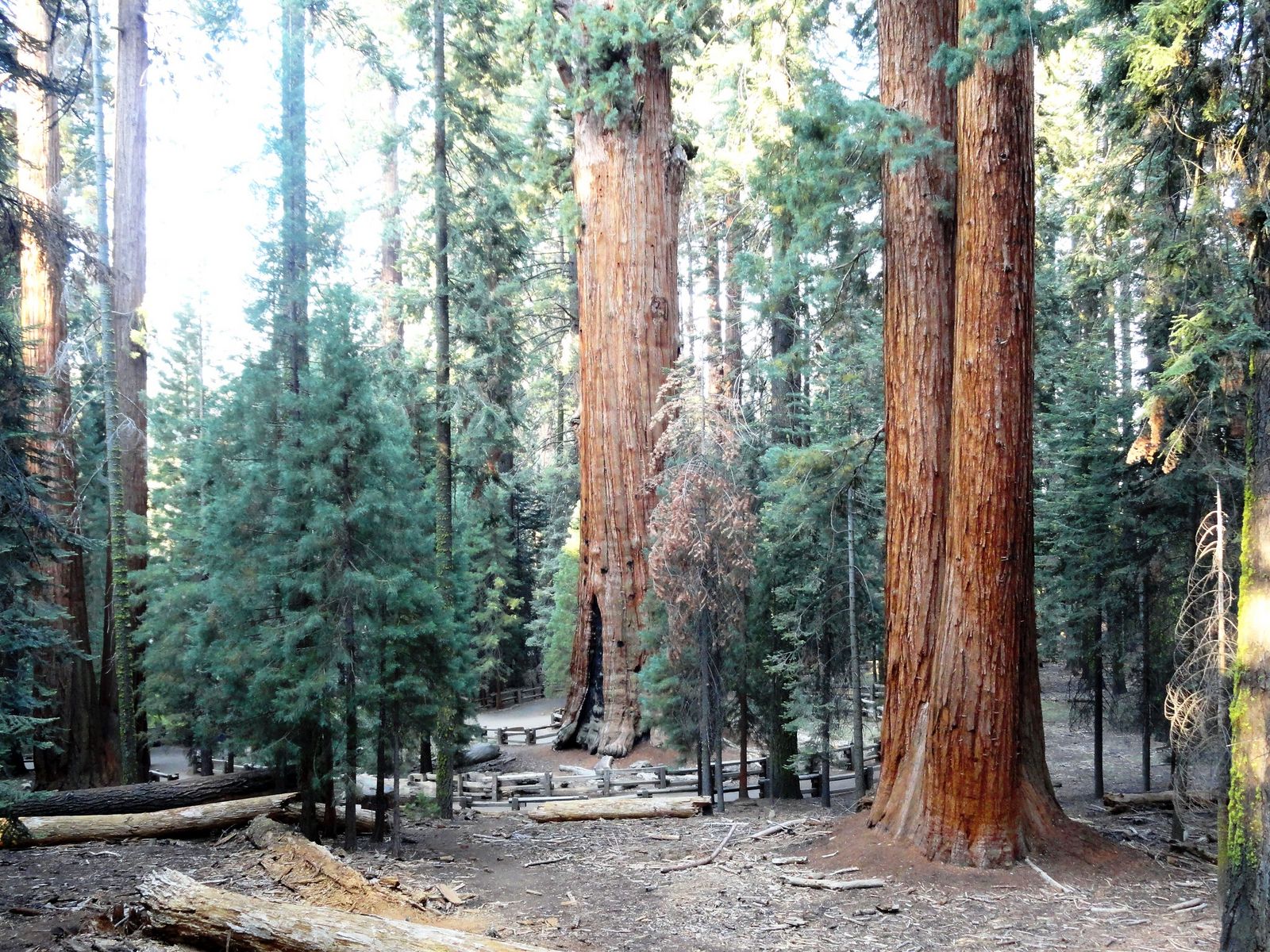
Alternatively, the connector trail from the Wolverton lot to the tree runs about 0.8 miles each way, or you can walk in from Lodgepole via the Congress Trail itself for a longer approach that avoids parking congestion entirely and lets you see several of the park’s other named giants along the way, including the General Lee Tree.
Permits, fees, and road access for Sequoia and Kings Canyon hiking
Standard entrance runs $35 per vehicle, valid for 7 days across both parks. As of January 1, 2026, a significant change applies here: non-U.S. residents age 16 and older must pay an additional $100 surcharge per person, on top of the standard vehicle fee.
Sequoia & Kings Canyon is one of 11 national parks now subject to this nonresident fee. The $250 America the Beautiful Non-Resident Annual Pass covers this surcharge across all affected parks for a full year, which is worth it if you’re visiting more than one on the same trip.
Generals Highway, connecting the two parks, stays open year-round but is subject to weather-related closures; the Kings Canyon Scenic Byway into Cedar Grove typically closes for the winter, roughly November through April or May depending on snowpack.
When are Sequoia and Kings Canyon trails open? A seasonal guide
Lower-elevation trails around Giant Forest, including Moro Rock and the Congress Trail, are accessible essentially year-round, though winter visits to Sequoia may require traction devices on icy sections and some facilities scale back outside peak season.
High-country trails like Rae Lakes Loop, Timber Gap, and similar backcountry routes typically aren’t reliably open until July, once snowpack clears, running through October before fall storms start closing things back down.
If you’re coming from Yosemite, note that Tioga Road is not a reliable alternate access route into these parks and closes on its own separate seasonal schedule; check current conditions on the NPS site before planning around any specific route, since road status can change within days during shoulder-season storms.
Once you’ve got a trail picked out, our hiking safety guide covers the preparation basics worth reviewing before a Sierra trip, and honestly, matching a route’s difficulty level to your fitness matters even more on something like the Rae Lakes Loop than it does on a short day hike. Practice Leave No Trace etiquette to protect these pristine Sierra ecosystems.
| Trail | Distance | Elevation gain | Difficulty | Park |
|---|---|---|---|---|
| Congress Trail | 2 mi loop | Minimal | Easy | Sequoia |
| Moro Rock | 0.5 mi RT | ~300 ft | Easy–moderate | Sequoia |
| Tokopah Falls | 3.4 mi RT | ~500 ft | Moderate | Sequoia |
| Zumwalt Meadows Loop | 1.5 mi loop | Minimal | Easy | Kings Canyon |
| Mist Falls | ~8 mi RT | ~900 ft | Moderate | Kings Canyon |
| Rae Lakes Loop | ~41 mi loop | ~7,700–9,000 ft | Strenuous (multi-day) | Kings Canyon |
Frequently asked questions: hiking in Sequoia and Kings Canyon
What hiking trail is closest to the General Sherman Tree?
The Congress Trail begins directly at the General Sherman Tree, making it the most direct trail access; the tree itself is also reachable via a short 0.8-mile connector from the Wolverton parking lot.
What hiking trails are around Grant Grove in Kings Canyon?
Grant Grove offers several accessible short trails through giant sequoia groves, including paths to the General Grant Tree itself, along with connections toward Redwood Mountain for longer options.
How hard is hiking in Sequoia National Park?
It ranges widely, from easy paved loops like the Congress Trail that suit any fitness level, while high-country and backcountry routes demand real conditioning and altitude acclimatization, so check individual trail difficulty before committing.
Do I need a permit to hike in Sequoia or Kings Canyon?
No permit is needed for day hiking on maintained trails like Moro Rock or Mist Falls; overnight backcountry trips, including the Rae Lakes Loop, require a wilderness permit and a bear canister.
What is the best hike in Sequoia National Park for first-time visitors?
The Congress Trail from the General Sherman Tree is the best first stop flat, paved, and it delivers the giant-sequoia payoff most visitors come for with minimal effort.
Are Sequoia and Kings Canyon the same national park?
They’re administered as a single combined NPS unit sharing one entrance fee, but they’re distinct landscapes: Sequoia is known for giant trees and easy access, Kings Canyon for its deep canyon and backcountry terrain.