Sequoia National Park Winter & Seasonal Hiking Guide
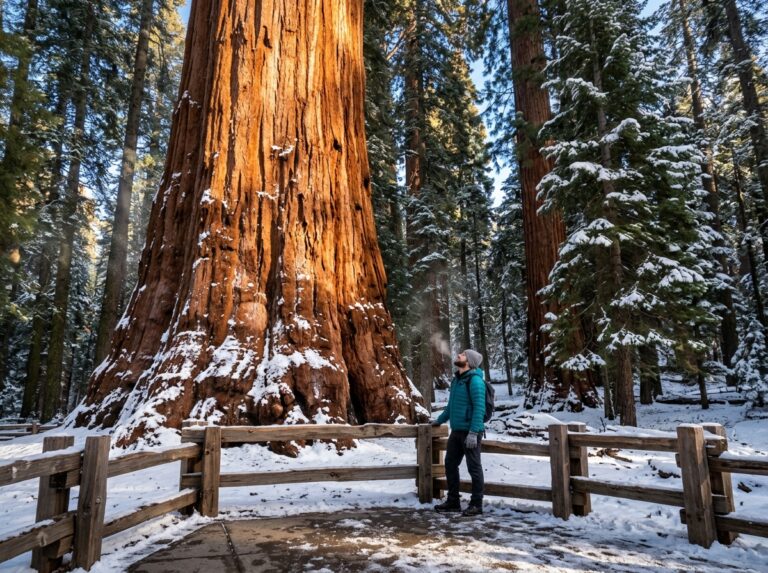
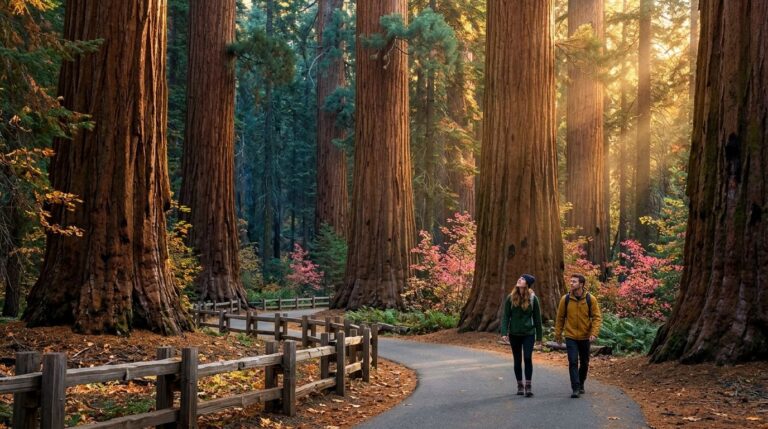
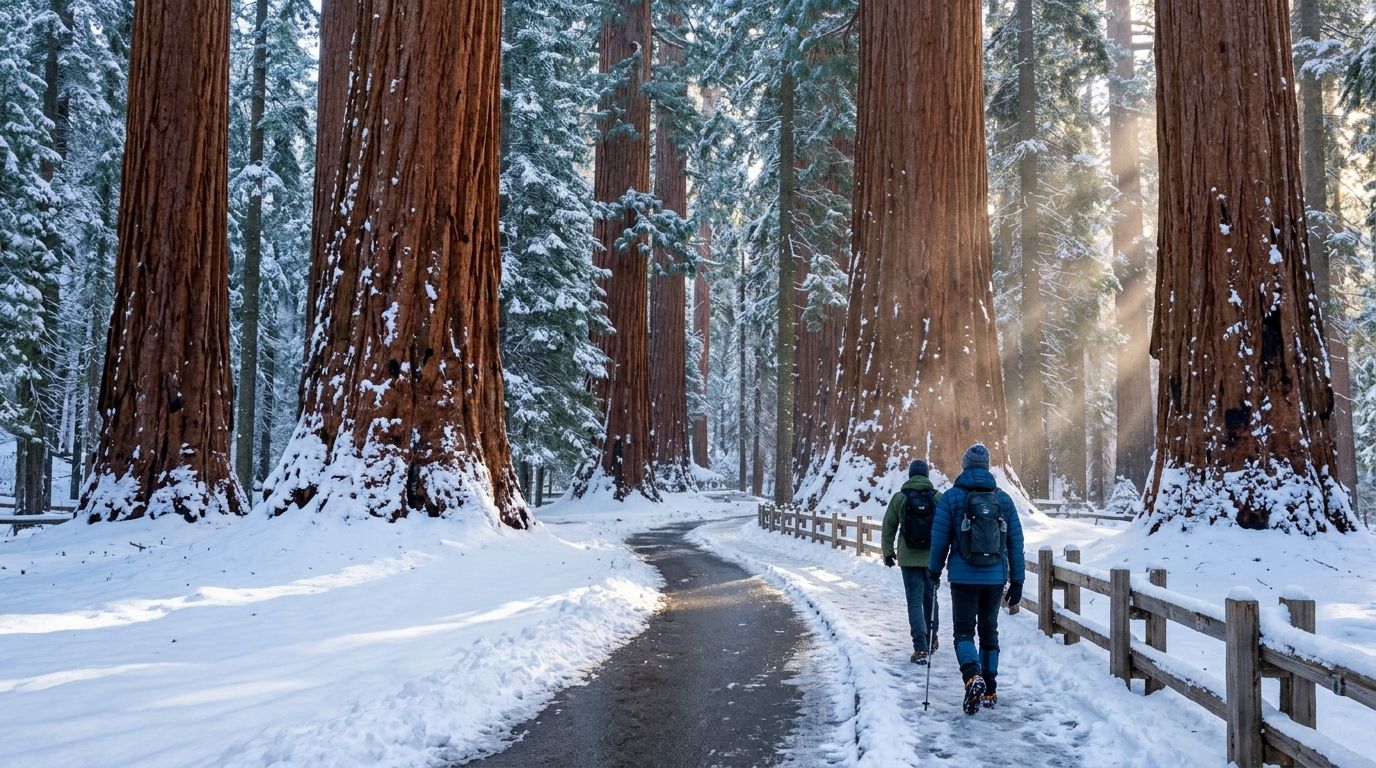
A Sequoia National Park winter starts with a split screen at the entrance station: green, drizzly foothills in front of you and, a few thousand feet higher, sequoias standing in snow that stays from December into May. That contrast is the whole appeal. Cinnamon trunks against white, a Giant Forest quiet enough that you can hear snow slide off the branches, and trails you share with a handful of people. It also asks more of you than summer does. Chains ride in the trunk, roads close without much warning, and some of the park’s best-known places shut for the season.
Disclosure: Please note that some of the links below are affiliate links and at no additional cost to you, I may earn a commission. Know that I only recommend hiking gear I personally stand behind; when you use my affiliate links, it helps me run this blog and keep all of this content free of charge for readers (like you).
This guide covers what winter looks like, which entrance to use, what is open, and how to hike or snowshoe it, then zooms out so you can pick the best time to visit Sequoia National Park for the trip you have in mind.
Key Takeaways
- Two climates in one park. Snow blankets the sequoia groves (Giant Forest, Lodgepole and Grant Grove) from December to May, while the foothills mostly get rain.
- Carry chains from fall through spring. Chain controls are most common November through March, and all vehicles, including four-wheel drive, must carry chains when a requirement is active.
- There are two entrances. Ash Mountain (Highway 198) leads to Sequoia, and Big Stump (Highway 180) leads to Kings Canyon. Entry is $35 per vehicle, paid by card.
- The Generals Highway between Lodgepole and Grant Grove is unplowed from the Friday after January 1 to the third Friday in March and often closes.
- The General Sherman Tree Trail is the only Giant Forest or Lodgepole trail kept clear of snow. Bring traction for your boots.
- The best time depends on the goal. Snow is a January-to-March story, foothill wildflowers peak from late March to late May, and summer opens every road.
Sequoia National Park Winter at a Glance
| Area | Winter conditions | What to expect |
|---|---|---|
| Foothills (Ash Mountain entrance, Hospital Rock) | Mild and wet | Trails open year-round; rain more often than snow |
| Giant Forest and Lodgepole (about 5,000-7,000 ft) | Snow from December to May | Chains common; Sherman Tree Trail cleared; ski and snowshoe routes |
| Wuksachi Lodge (7,050 ft) | Snowy | Open year-round; chains may be required to reach it |
| Moro Rock / Crescent Meadow Road | Closes once impassable | Becomes a ski trail; Moro Rock stairs unsafe with ice |
| Generals Highway, Lodgepole to Grant Grove | Unplowed Jan-March | Often closed to all traffic |
| Grant Grove (Kings Canyon) | Snowy | Big Stump and Columbine snowplay areas |
| Mineral King and Cedar Grove | Closed | Roads shut for the season |
What Sequoia National Park in Winter Is Like
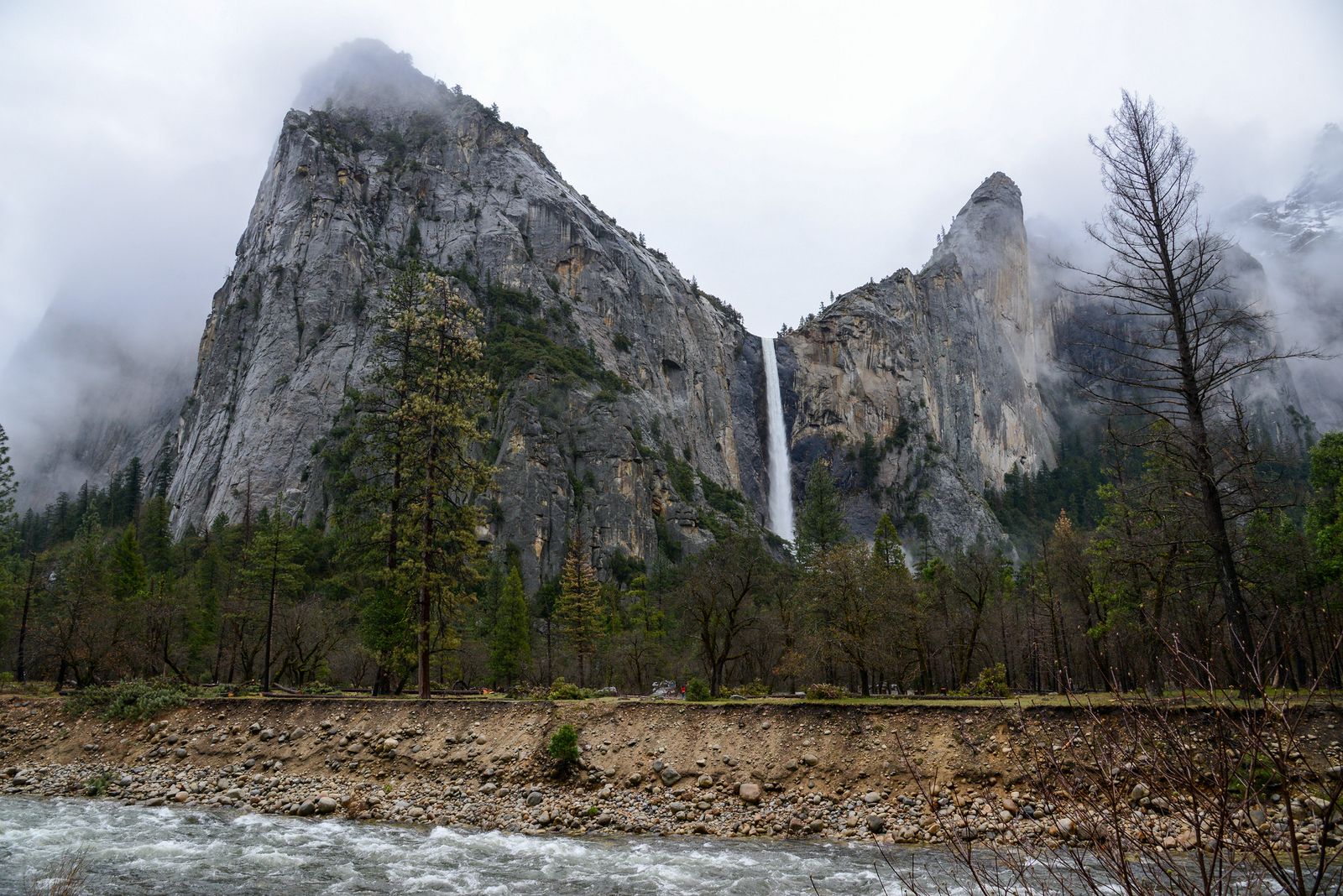
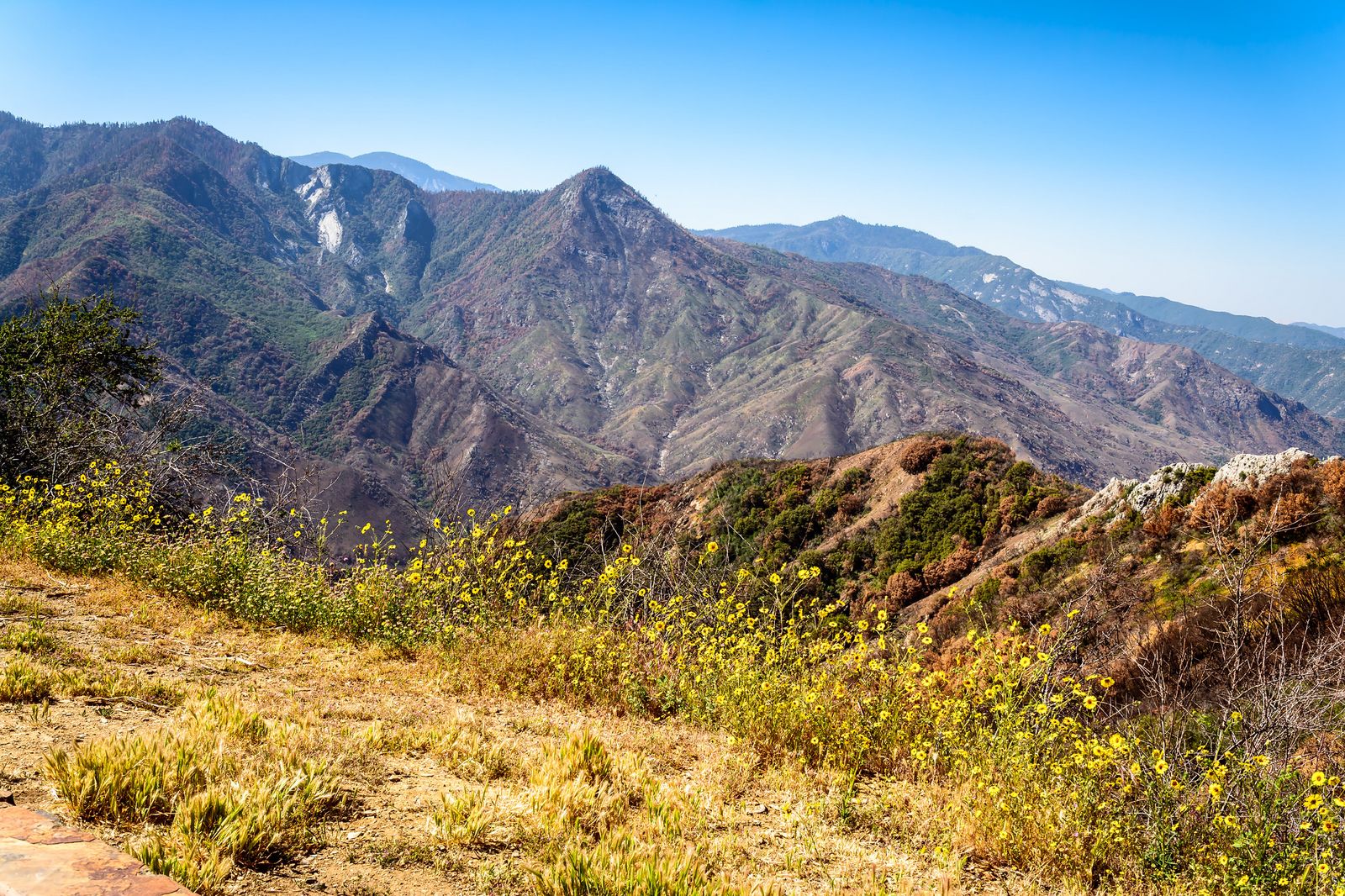
Elevation writes the forecast. The National Park Service says temperatures can swing 20 to 30 degrees as you change elevation, and you can see spring flowers in the foothills and snow in the Giant Forest on the same day.
The groves collect 40 to 45 inches of precipitation a year, much of it as winter snow. Sub-zero temperatures are rare, though the recorded extremes in Giant Forest, Lodgepole and Grant Grove have dipped to about minus 6°F in January.
| Season | Groves (avg high / low) | Foothills (avg high / low) |
|---|---|---|
| Winter (Dec-Feb) | 42-44°F / 24-27°F | 57-61°F / 36-39°F |
| Spring (Mar-May) | 46-58°F / 26-36°F | 64-79°F / 41-52°F |
| Summer (Jun-Aug) | 68-76°F / 44-51°F | 89-97°F / 61-68°F |
| Fall (Oct-Nov) | 50-61°F / 31-38°F | 67-80°F / 37-43°F |
Winter storms can arrive suddenly and drop feet of snow that lingers for days or weeks. The park warns that hypothermia is a serious risk, and that you should carry warm clothing, a sleeping bag, water and emergency food in case you wait for a plow.
You will likely lose cell service about five minutes inside the entrance station, so download the NPS app and your route before you go.
Sequoia National Park Entrance in Winter: Ash Mountain or Big Stump?
The park has two main entrances. Ash Mountain is on Highway 198 from Visalia, through Three Rivers, and it is the way into Sequoia’s foothills and Giant Forest. Big Stump is on Highway 180 from Fresno and leads to Grant Grove in Kings Canyon National Park.
In January through March, when the Generals Highway is unplowed between Lodgepole and Grant Grove, Ash Mountain is the reliable route to the Sherman Tree.
Big Stump gets you to Grant Grove but may not connect through. If the road is closed, Highway 245 outside the park is the usual way around.
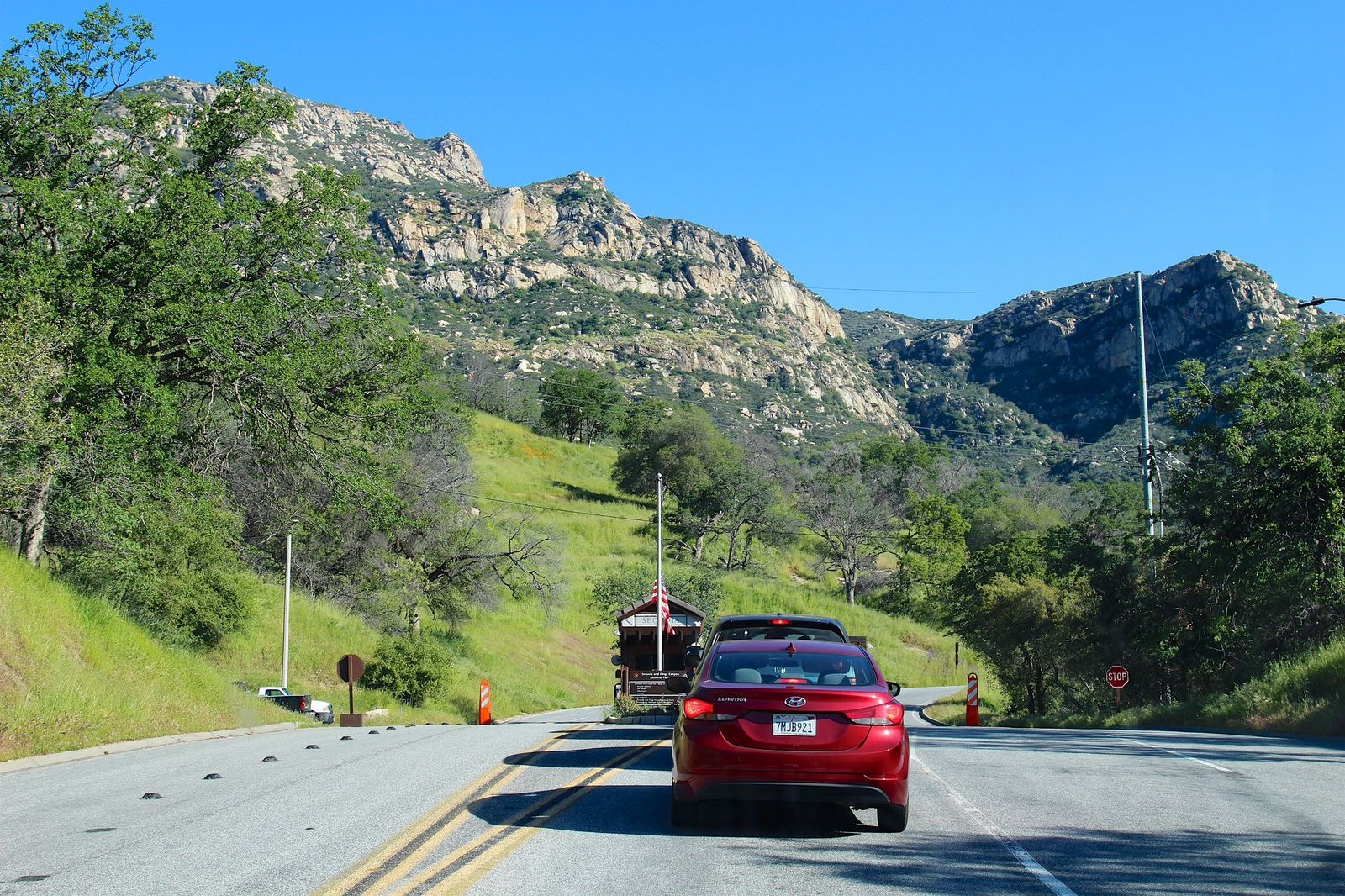
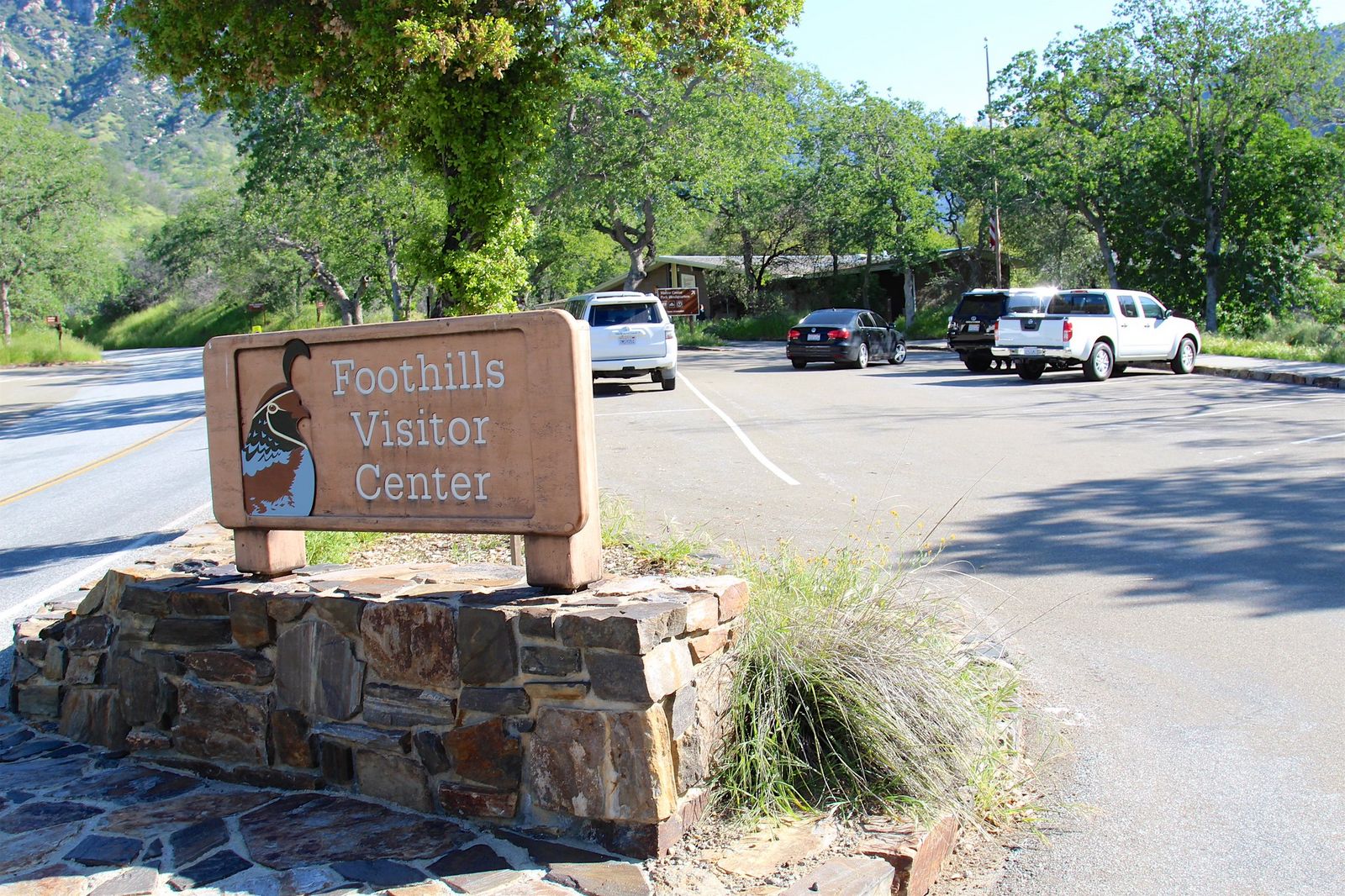
Plan around the drive. The park lists about 16 miles and 60 minutes from the Foothills Visitor Center to the Giant Forest Museum, and 3.8 miles and 10 minutes from there to the General Sherman Tree.
The Hospital Rock to Giant Forest stretch is steep with hairpin turns, and the park recommends against vehicles longer than 22 feet on the Potwisha-to-Giant-Forest section.
The fee is $35 per private vehicle for up to seven days, or $20 per person on foot, and entrance stations take cards only. Non-US residents 16 and over pay an extra $100 unless they hold an annual or America the Beautiful pass.
Buy your pass in advance on Recreation.gov, because entrance lines can stretch to two or three hours at peak times. The busiest winter periods are spring break (late March to early April), Thanksgiving week and Christmas week, and arriving before 9 a.m. or after 3 p.m. on a weekday helps.
There is no gas inside the park, so fill up first. For attractions you can reach once inside, see our Sequoia National Park attractions and Crystal Cave guide.
Winter Driving and Tire Chains
Chain controls can be activated any time it snows, most often from November through March. The National Park Service recommends carrying chains or cables from fall through spring regardless of conditions. When any requirement is active, the speed limit is 25 mph.
| Level | What it means |
|---|---|
| R-1 | Chains on, unless you have snow-tread tires on the drive wheels; chains still carried |
| R-2 | Chains on, unless you have AWD or 4WD with snow-tread tires on all four wheels; chains still carried |
| R-3 | Chains on all vehicles, no exceptions |
Snow tires need an M+S, M/S or snowflake mark and at least 6/32 inch of tread. Chains rent for roughly $40 to $65 a day and sell for $50 to $200, with several vendors in Three Rivers. Check your rental contract, since many forbid chains, and practice installing them at home.
Tow trucks generally do not enter the park during active storms, so a stuck car can wait a day or more. Black ice is common when days thaw and nights freeze. For live conditions, use the park’s current conditions page and its winter driving and tire chains guide, or call (559) 565-3341 and press 1, then 1.
What Is Open and Closed in Winter
| Place | Winter status |
|---|---|
| Giant Forest Museum | Open with winter hours, roughly 9 a.m. to 4:30 p.m. |
| Lodgepole Visitor Center | Closed in winter |
| Wuksachi Lodge and Peaks Restaurant | Open year-round; restaurant open to the public |
| Lodgepole Campground | Open through December 1 in 2026 |
| Potwisha Campground (foothills) | Open; reserve on Recreation.gov |
| Azalea Campground (Grant Grove) | First-come, first-served from November 1 in 2026 |
| John Muir Lodge | Closes after November 28 in 2026 |
| Crystal Cave | Closed until tours return in 2027 |
| Mineral King Road | Generally closes the last Wednesday in October |
| Cedar Grove (Highway 180) | Closes in mid-November (November 13 in 2026) |
| Moro Rock / Crescent Meadow Road | Closed once snow makes it impassable |
Wolverton Road is plowed Friday through Sunday, on Wednesdays and on holidays to reach the snowplay area. On Thanksgiving weekend in 2026 (November 26 to 29), free shuttles run in Giant Forest from 10 a.m. to 4:30 p.m. every 15 minutes, and Christmas and New Year dates are posted later.
When the main Sherman Tree lot is closed by snow, parking shifts to the small accessible lot on Generals Highway. Popular lots near the museum and Sherman Tree can fill by about 10 a.m., so the park suggests the Wolverton, Lodgepole or Wuksachi lots instead.
Winter Hiking, Snowshoeing and Snow Play
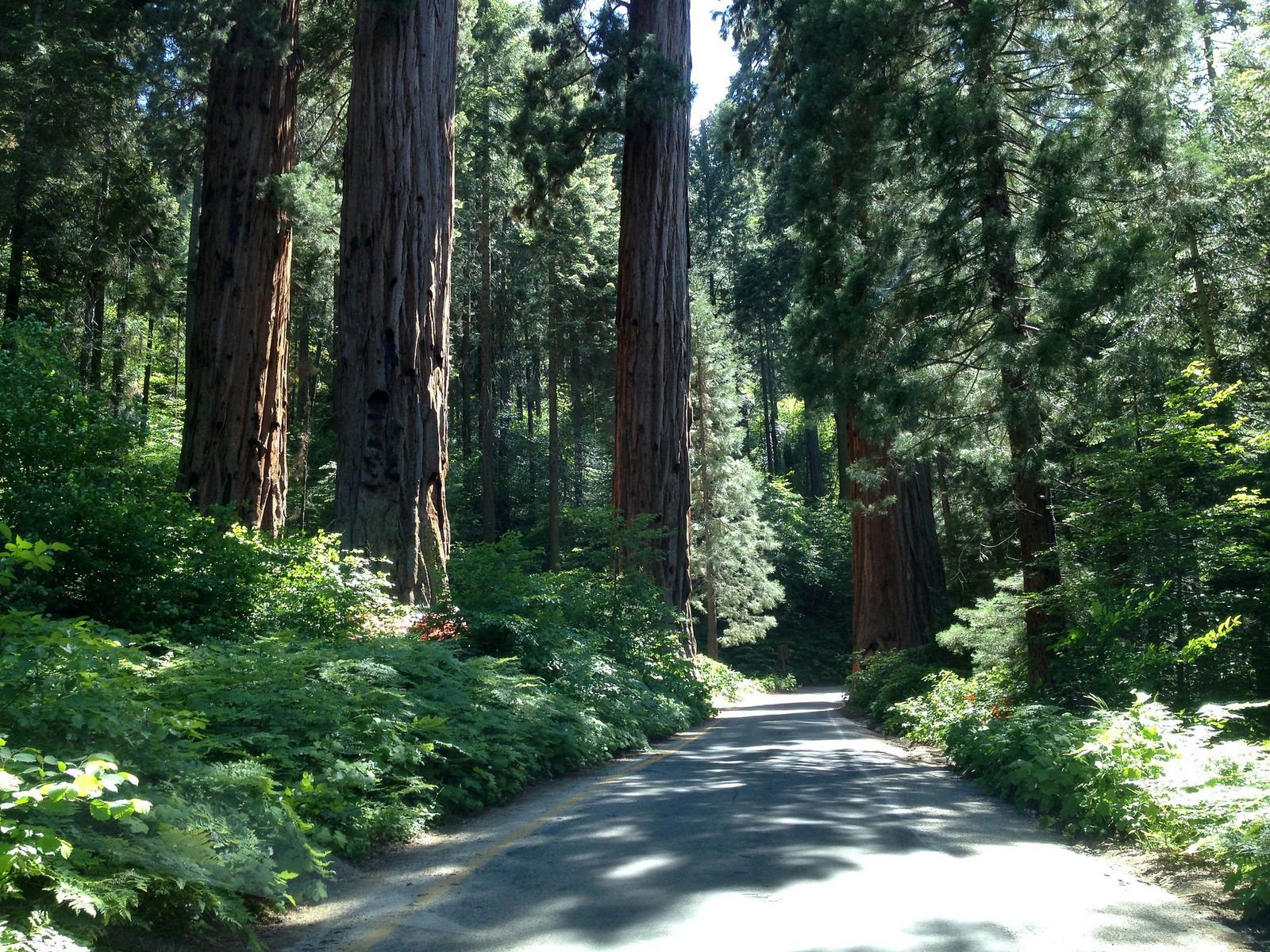
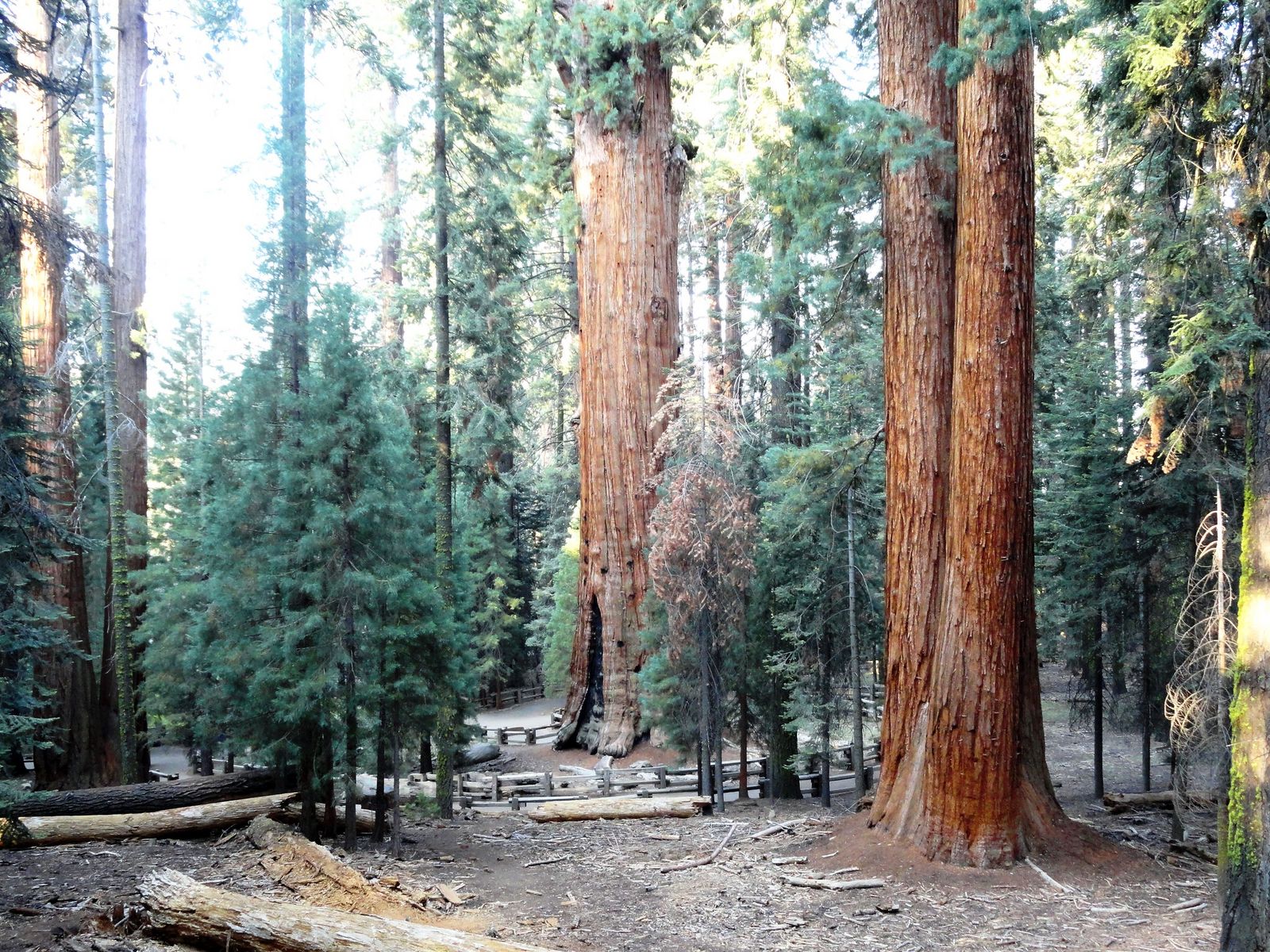
The General Sherman Tree Trail. The loop is about a mile round trip, and it is the only trail in the Giant Forest and Lodgepole areas that is kept clear of snow. It is also icy, and the park strongly recommends traction devices on your boots. The tree itself holds more wood than any other on Earth, and a coat of snow makes the scale easier to read.
Snowshoeing and cross-country skiing. Ski routes in Giant Forest and Lodgepole are marked with colored markers, and you can buy a ski trail map at the Giant Forest Museum. When Wuksachi Lodge is open, snowshoes and trekking poles are typically available to rent.
Ranger-led snowshoe walks around Giant Forest usually start in mid-January depending on snowfall, but they were not offered in 2025, so confirm before you plan around one.
Do not walk on groomed ski tracks, and watch for snow-laden branches overhead. Our guide to snowshoeing versus winter hiking in California helps you choose gear, and our winter hiking safety guide covers layers and navigation.
Snow play. Wolverton Snowplay Area in Giant Forest is Sequoia’s designated sledding spot. In Kings Canyon, Big Stump and Columbine picnic areas serve the same purpose near Grant Grove, and our Kings Canyon National Park hiking trails guide covers the area on foot.
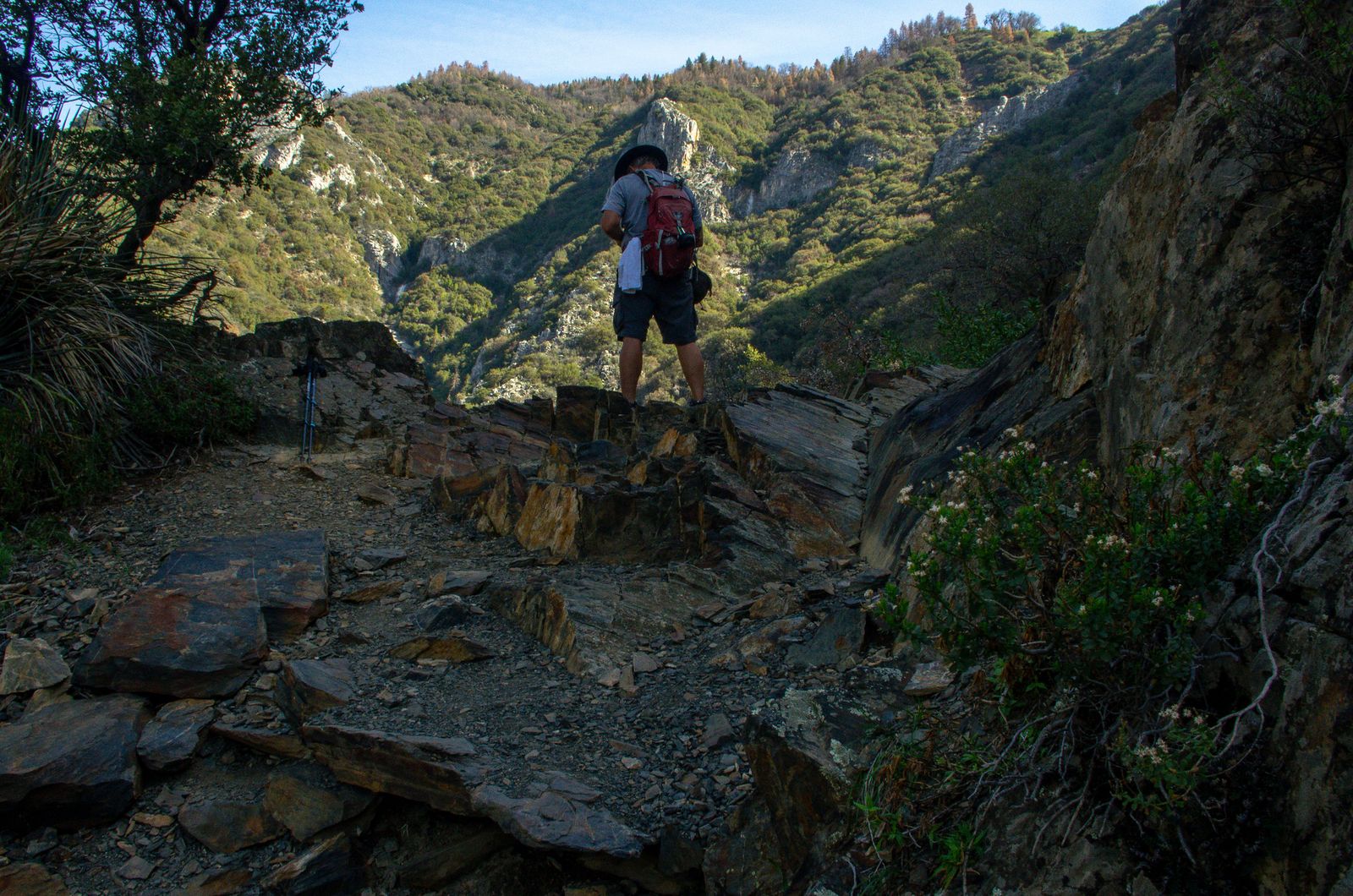
Foothill trails when the groves are buried. Foothill trails stay open year-round, and the National Park Service says winter and spring bring wildflowers there, with late March through late May the most colorful stretch.
The Marble Falls Trail climbs about 3.9 miles through chaparral to a cascade, and a short trail at Hospital Rock leads down to the river.
Do not enter the water in spring, because the Kaweah River runs high and drowning is the park’s leading cause of death. For snow-free winter options across the state, see our best winter hiking trails in California with no snow required.
Pets are not allowed on any trail. Bears can stay active in winter, especially in the foothills, so keep food locked away.
Best Time to Visit Sequoia National Park: Season by Season
There is no single best time. The right month depends on whether you want snow, flowers, waterfalls or open roads.
| Season | What you get | What to watch |
|---|---|---|
| Winter (Dec-Feb) | Snow in the groves, quiet trails, foothills in green | Chains, closures, holiday crowds |
| Spring (Mar-May) | Foothill wildflowers, snowmelt waterfalls, melting snow in Giant Forest | Rivers dangerous; spring break lines; Moro Rock road reopens near Memorial Day |
| Summer (Jun-Sep) | Every road open, shuttles running, Mineral King and Cedar Grove | Hot foothills, long entrance lines on weekends |
| Fall (Oct-Nov) | Cooler hiking, thinner crowds outside Thanksgiving week | Conditions range from summer-like to winter-like; services close in stages |
For big-tree walking without snow gear, June through early fall is the simplest window. For snow, aim for January to early March. For flowers, hike the foothills from late March into May, and visit Tokopah Falls in early summer, when the National Park Service says it is most impressive.
For a comparison across all California parks, see our guide to the best time to hike each major California national park, and for Yosemite’s equivalent, our Yosemite weather by month guide.
A One-Day Trip to Sequoia National Park in Winter
- Buy your pass ahead and leave early. Enter at Ash Mountain before 9 a.m. with chains in the trunk.
- Stop at the Foothills Visitor Center or Hospital Rock to check conditions and see the pictographs.
- Climb to the Giant Forest Museum. Ask about chain controls and the ski trail map.
- Walk the General Sherman Tree Trail with traction on your boots.
- Eat at Wuksachi Lodge, where the Peaks Restaurant is open to the public.
- Spend the afternoon at Wolverton Snowplay Area or on a snowshoe route, and start down before dark.
Where to Stay and What to Pack
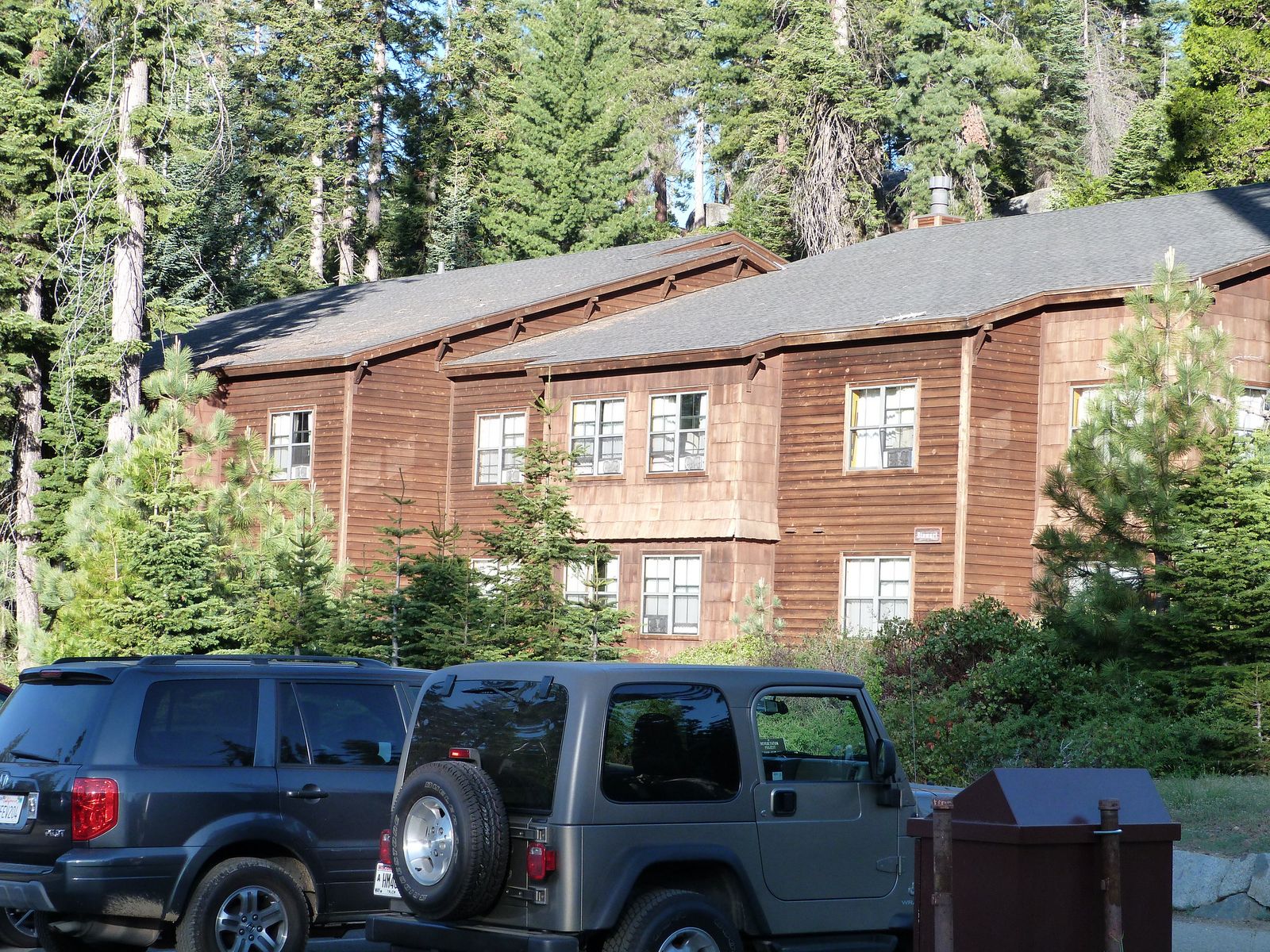
Wuksachi Lodge sits at 7,050 feet, is open year-round and has 102 rooms, though chains may be needed to reach it in storms. Many visitors stay outside the park in Three Rivers or Visalia and drive in each day.
Winter camping is limited, so check the status of each campground, and our guide to campgrounds near California’s top hiking trails covers other options. Wilderness skiers can look into the Pear Lake Winter Hut.
- Tire chains that fit, plus a full gas tank
- Waterproof boots and traction devices for your footwear
- Layers, a warm hat, gloves and sunglasses
- Water, snacks and emergency food, plus a sleeping bag in the car
- Snowshoes or a sled if you plan to play in the snow
- Downloaded maps, since cell service fades fast
Plan Your Next Step
Sequoia sits in Tulare County, and our Tulare County hiking trails guide and Sequoia and Kings Canyon hiking guide put the whole region in one place.
When the snow melts, our list of the best hiking trails in Sequoia National Park picks up where this guide leaves off. Before any winter drive, read our note on how to check California trail closures, because roads here change by the hour.
Frequently Asked Questions about Sequoia National Park Winter
Is Sequoia National Park open in winter?
Yes. The parks stay open 24 hours a day year-round, though some roads and areas close for the season.
Do I need tire chains in Sequoia National Park?
Carry them from fall through spring. When a chain requirement is active, every vehicle must carry chains, and the speed limit is 25 mph.
Does it snow in Sequoia National Park?
In the groves, yes. Snow lies deep from December to May. The foothills mostly see rain.
Which entrance should I use in winter?
Use Ash Mountain (Highway 198) for Giant Forest and the Sherman Tree. Use Big Stump (Highway 180) for Grant Grove in Kings Canyon.
Can I drive from Sequoia to Kings Canyon in winter?
Usually, but the Generals Highway between Lodgepole and Grant Grove is unplowed from the Friday after January 1 to the third Friday in March and often closes. Check conditions first.
When is the best time to visit Sequoia National Park?
Winter for snow, late March to May for foothill flowers, and June through early fall for open roads and the easiest driving.