The Best Time to Hike Each of California’s 9 National Parks
California’s nine national parks don’t share one hiking calendar: what makes Yosemite’s timing tricky (a seasonal high-country road) is the opposite problem from what makes Death Valley’s timing dangerous (extreme heat), and Redwood barely has a “wrong” season at all.
Disclosure: Please note that some of the links below are affiliate links and at no additional cost to you, I may earn a commission. Know that I only recommend hiking gear I personally stand behind; when you use my affiliate links, it helps me run this blog and keep all of this content free of charge for readers (like you).
This guide goes park by park so you can build a trip around the season that suits where you’re going, not a generic “best time to visit California” assumption that doesn’t hold up once you’re comparing a desert park to a coastal one (where you will also need to plan and figure out how to get to Channel Islands National Park).
Several of these parks already have dedicated seasonal coverage on this site; this guide to the best time to hike California national parks is the hub that ties all nine together across eight sections, so you can compare them side by side before diving into any single park’s details.
Key takeaways:
- Most seasonally split park: Yosemite has two different optimal windows: late spring for waterfalls, early fall for a quieter visit with the same access.
- Most extreme seasonal contrast: Death Valley flips from the hottest place on Earth in summer to one of the state’s most pleasant desert hikes in winter, with no middle ground.
- Least seasonal park: Redwood National and State Parks stay hikeable year-round; the only question is whether you want summer’s driest trails or winter’s dramatic, moody fog.
- Shortest hiking season by far: Lassen Volcanic’s high country can stay snowbound into July even after the main road opens for the year.
| Park | Best season | Key seasonal factor | What closes/changes |
|---|---|---|---|
| Yosemite | Late spring (waterfalls) or early fall (crowds) | Tioga Road opens ~late May–June | High country inaccessible in winter |
| Sequoia & Kings Canyon | Summer (high country); year-round (sequoia groves) | Cedar Grove Road closes mid-November | Cedar Grove seasonal; Giant Forest open year-round |
| Joshua Tree | Fall through spring | Summer heat genuinely dangerous | Nothing closes, but summer hiking isn’t advised |
| Death Valley | Winter only | Summer is the hottest place on Earth | Little changes structurally; heat is the driver |
| Redwood | Year-round | Persistent coastal fog, even in summer | Nothing closes for season |
| Lassen Volcanic | Late July–early October | Main road closed roughly Nov–May/June | Entire high country under snow in winter |
| Pinnacles | Fall through spring | Summer regularly exceeds 100°F | Bear Gulch Cave closes mid-May–mid-July for bats |
| Channel Islands | Spring | Ferry access, not trail conditions, drives timing | Winter storms cause frequent ferry cancellations |
Yosemite National Park
Best season: late spring for waterfalls, early fall for fewer crowds
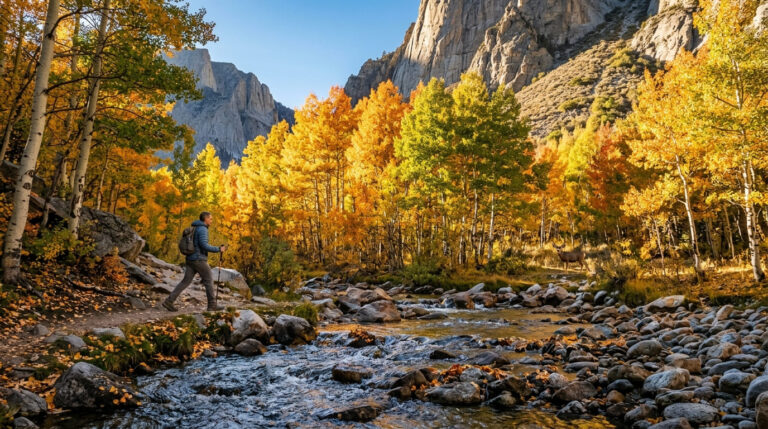
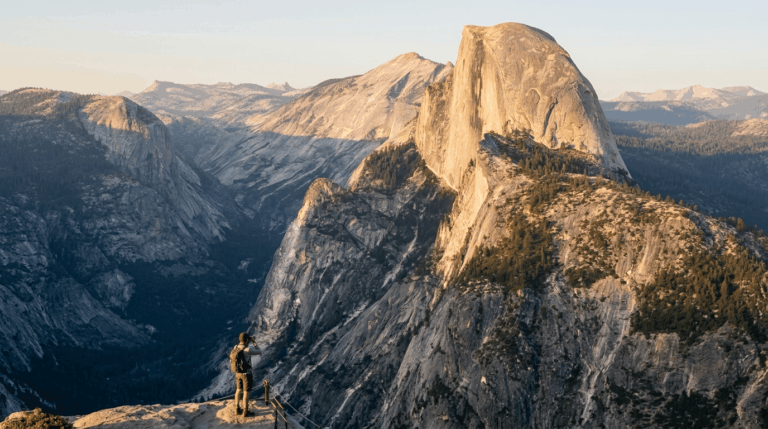
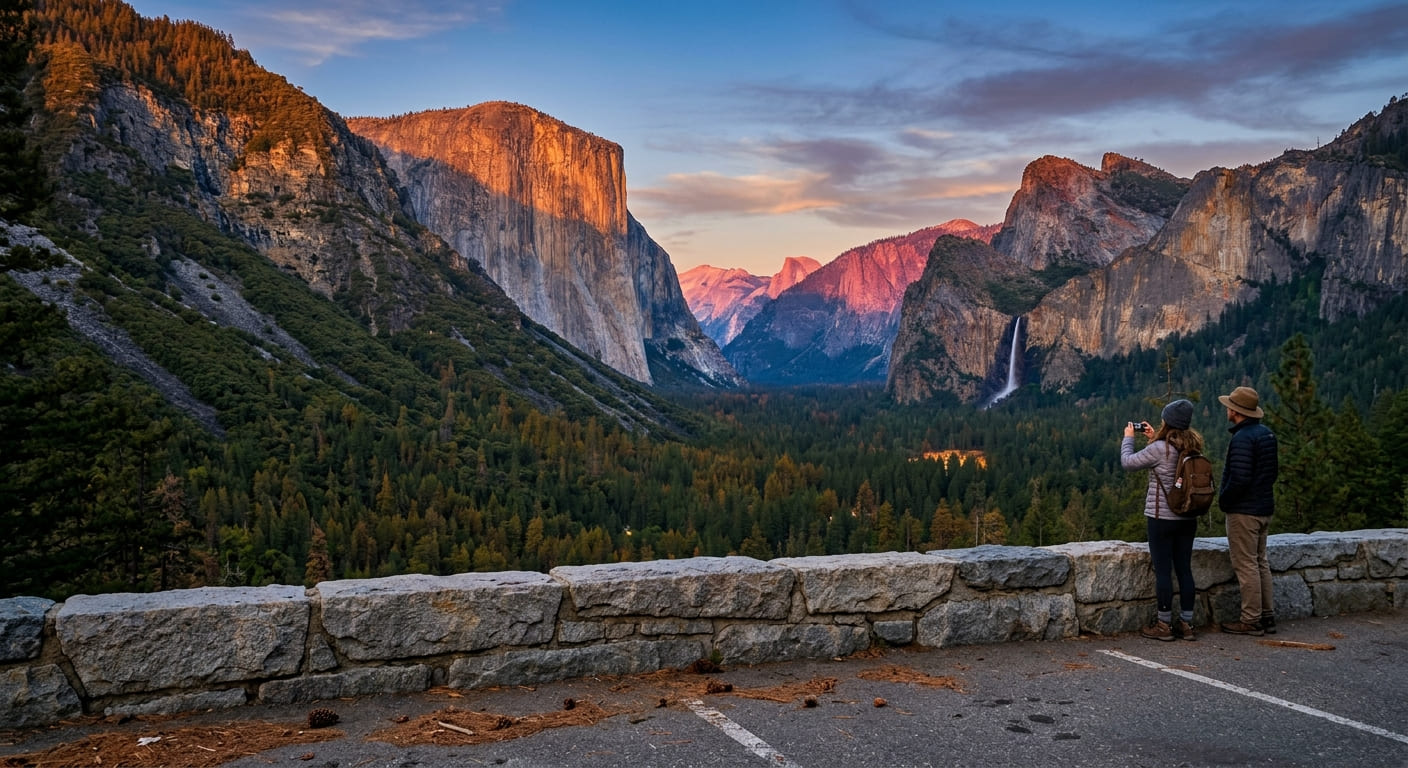
Yosemite has two best seasons depending on what you’re after. May and June deliver peak waterfall flow from snowmelt: Yosemite Falls, Bridalveil, and Vernal/Nevada Falls are all at their most dramatic.
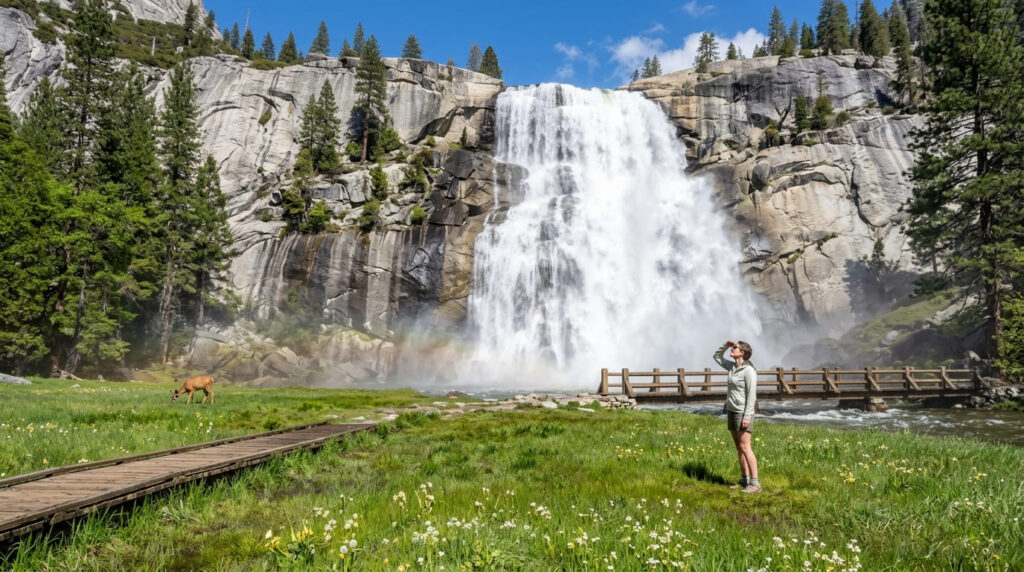
September and October trade some of that water volume for meaningfully thinner crowds and cooler hiking temperatures, with most of the same access still available. For those planning a trip during the colder months, our Yosemite winter hiking guide breaks down what to expect when snow blankets the park.
What to expect: Tioga Road’s seasonal closure shapes your trip
Tioga Road, the only way into Tuolumne Meadows and the high country, typically opens in late May or June and closes with the first significant snow, usually by November; it opened May 15 in 2026, though the date varies by snowpack year to year.
Yosemite does not require a timed-entry reservation for 2026, though this has changed in past years and could again, so check current status before a trip. Half Dome permits and wilderness permits are separate systems, unaffected by that policy; our permits guide breaks down exactly what each one requires and when to apply. For trails near the park’s southern access, see our Yosemite south entrance trail guide.
Sequoia & Kings Canyon National Parks
Best season: summer for high country, year-round for the sequoia groves
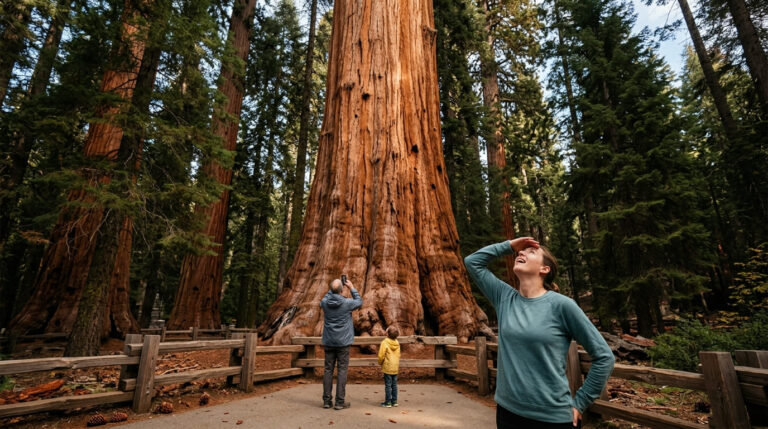
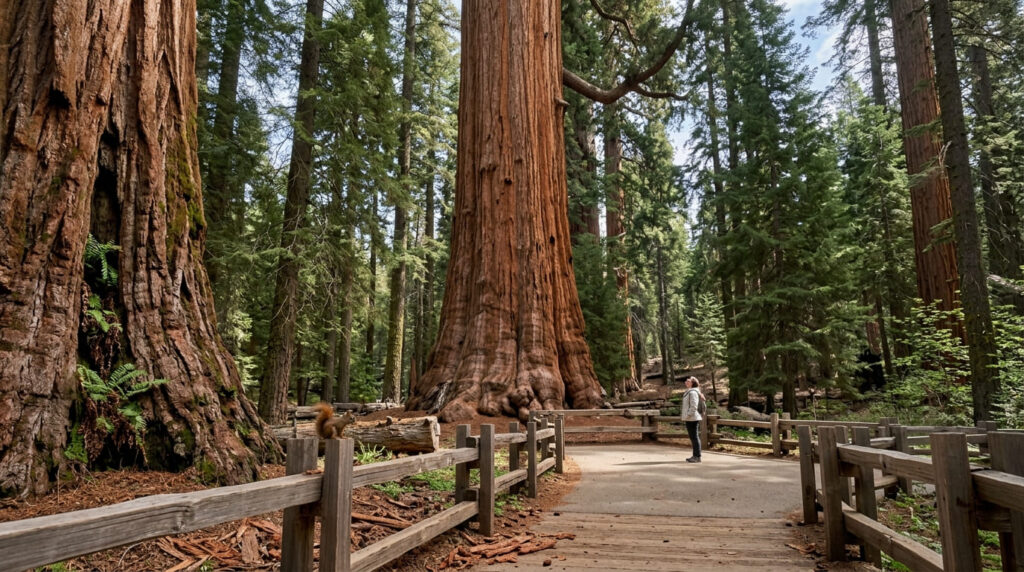
These two adjoining parks split into two access profiles. When exploring the region’s top Sequoia National Park attractions, the low-elevation sequoia groves, as outlined in our Sequoia winter overview including the Giant Forest and General Sherman Tree, are accessible nearly year-round via Generals Highway. Kings Canyon’s high country, reached through Cedar Grove, is a summer-only proposition.
What to expect: Cedar Grove Road closes each winter
Highway 180 into Cedar Grove typically closes for the season by mid-November and reopens in spring; it’s confirmed open for the 2026 season after a multi-year closure caused by 2023 storm damage, but the annual winter closure returns regardless of that history.
Since Cedar Grove’s access has been unreliable in recent years, checking current road status before planning a trip there specifically is worth the extra step. For more of the park, see our Sequoia National Park trail guide.
Joshua Tree National Park
Best season: fall through spring, not summer
Joshua Tree runs the opposite seasonal logic from most California parks: comfortable from roughly October through April, dangerous during peak summer heat, when daytime temperatures regularly exceed 100°F with little shade anywhere in the park.
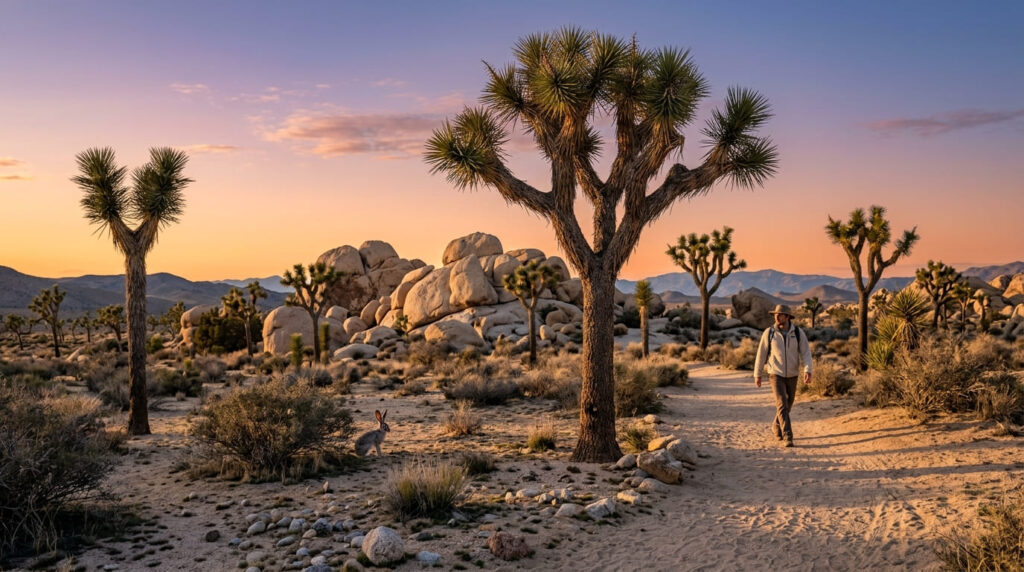
This isn’t a minor discomfort: summer visitors have needed emergency rescue after underestimating how quickly heat exhaustion sets in on exposed granite and sand. Our winter hiking guide covers Cottonwood Spring specifically, one of the clearest examples of this seasonal flip, where a 70–90°F winter day replaces a risky summer one.
What to expect: cold desert nights even in warmer months
The park’s high-desert elevation means nighttime temperatures can drop sharply even during otherwise comfortable shoulder-season visits: a 75°F afternoon can still mean a 40°F night, which surprises first-time visitors more than almost anything else about this park.
Pack layers regardless of how warm the daytime forecast looks, and if you’re camping, plan for cold overnight conditions even in a month that sounds warm on paper. For more of the area, see our Joshua Tree gateway trail guide.
Death Valley National Park
Best season: winter only (the hottest place on Earth in summer)
Death Valley is the single clearest best-season-versus-worst-season example among all nine parks on this list. Summer temperatures here are not just uncomfortable; they’ve been directly linked to hiker deaths, including a fatality at Golden Canyon’s trailhead in 2023 at 121°F.
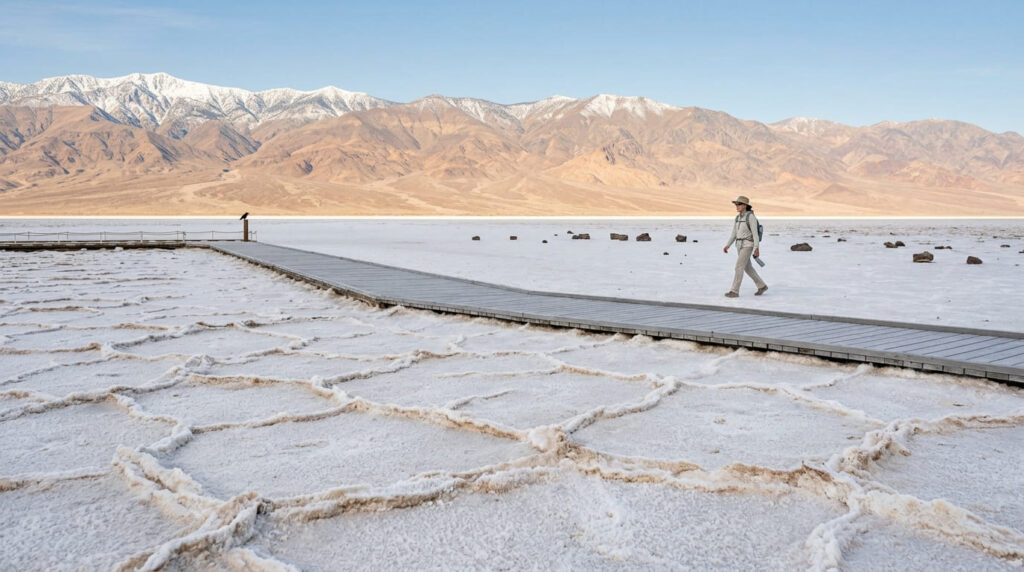
Winter is a completely different, pleasant experience with comfortable daytime temperatures typically in the 60s and 70s. There’s no gradual transition between these two states: this park doesn’t have a mediocre season, just a good one and a dangerous one.
What to expect: facilities and water sources are extremely limited
Even during the recommended winter season, most of the park has no water, food, or fuel available; this is a safety planning issue, not just an inconvenience. Fill up and pack in everything you need before heading into the park’s interior. For more trails, see our Death Valley trail guide.
Redwood National and State Parks
Best season: year-round, with summer offering the driest trails
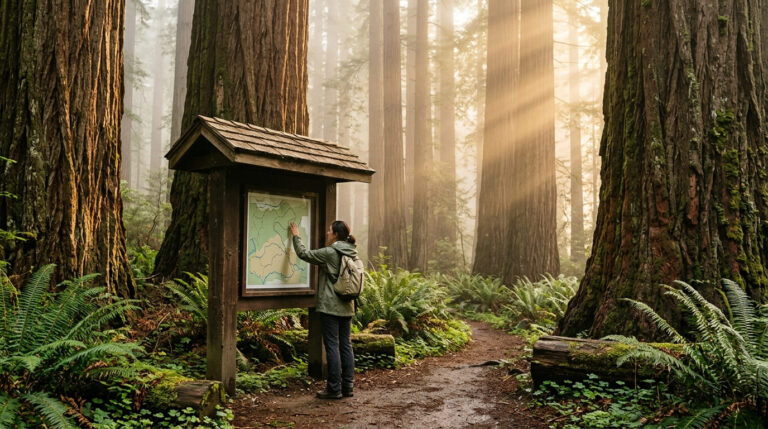
Redwood is the outlier on this list: a mild, fog-influenced coastal climate keeps it hikeable in every season, unlike the Sierra parks above or the desert parks below.
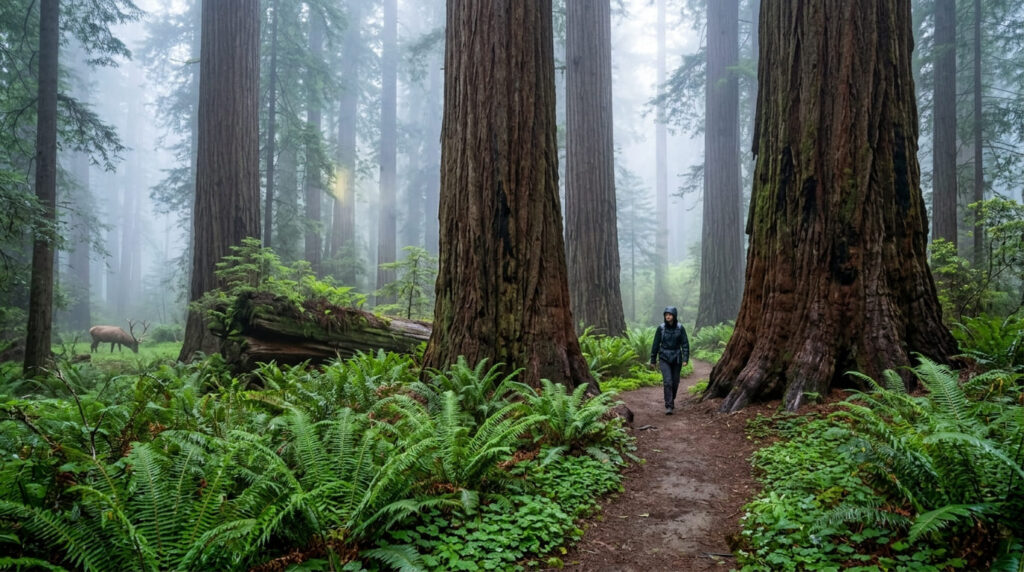
Summer offers the driest, firmest trail conditions; winter brings the wettest weather (the region sees 60–80 inches of rain annually, with roughly 75% falling November through March) but also a quieter, moodier forest.
What to expect: persistent coastal fog and rain even in summer
The same marine layer that cools the Bay Area’s Marin Headlands extends much further north here, meaning even a July visit often starts foggy before clearing by midday; expect it and dress in layers rather than treating it as bad luck. Gray whale migration runs November through April, and elk rutting season peaks in fall. For more of the park, see our Humboldt County redwood trail guide.
Lassen Volcanic National Park
Best season: mid-summer through early fall
Lassen has the shortest reliable hiking season of any park on this list. The main park road typically opens in late spring or early summer (as early as late May in a low-snow year like 2026, as late as July in a heavy one), and even after it opens, high-elevation trails like Bumpass Hell and the Lassen Peak summit trail often stay snow-covered into July.
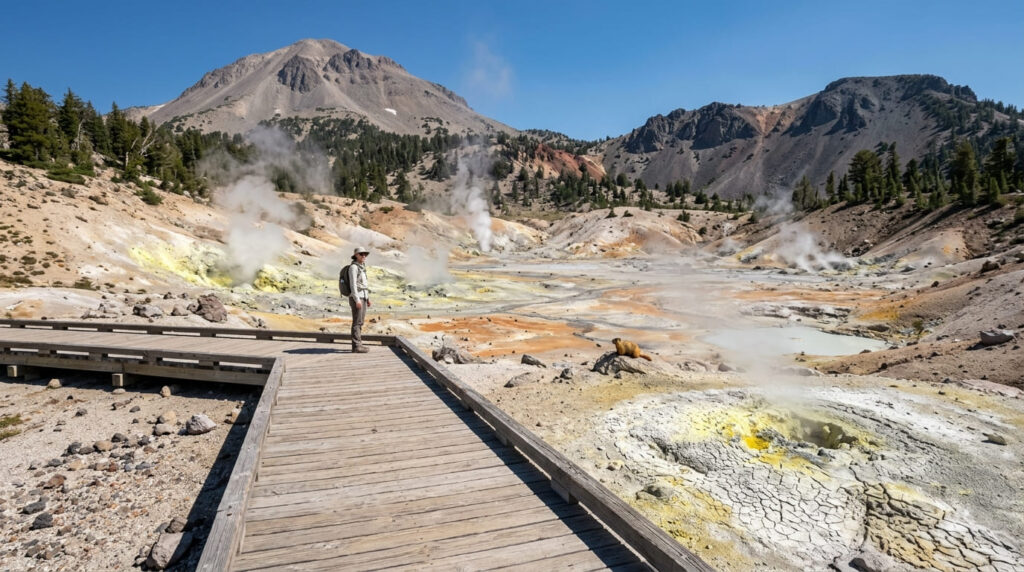
What to expect: one of the snowiest national parks in California
Lassen’s high elevation (up to 10,457 feet at the summit) means some winters bring more than 30 feet of snow to the main road corridor. Late July through early October is the window when the full road and high trails are simultaneously open and dry. For more of the park, see our Lassen Volcanic trail guide.
Pinnacles National Park
Best season: late fall through spring, not summer
Pinnacles’ low elevation and inland Central Coast location make it uncomfortably hot in summer despite the park’s relatively small size and short trail distances: temperatures regularly exceed 100°F from June through August.
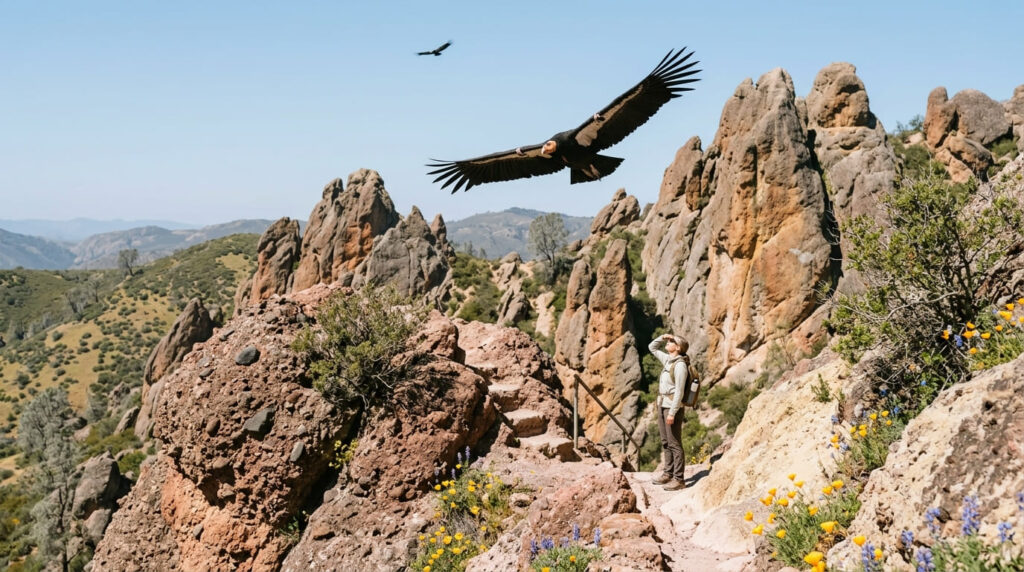
Mid-February through early June is the widely recommended sweet spot, with wildflowers peaking in March and April.
What to expect: California condors and talus cave trails
Pinnacles is a condor recovery site, and spring offers the best odds of spotting one from trails like Condor Gulch. Bear Gulch Cave closes roughly mid-May through mid-July every year to protect a bat colony, so a summer trip built around the talus caves may find them shut. To map out your specific timing around these closures and entrances, take a look at our Pinnacles National Park itinerary guide. For more of the park, see our Pinnacles trail guide.
Channel Islands National Park
Best season: late spring for wildflowers and calm boat crossings
Channel Islands is the one park on this list where ocean conditions, not trail conditions, are the primary seasonal planning factor: access is by boat or small plane only.
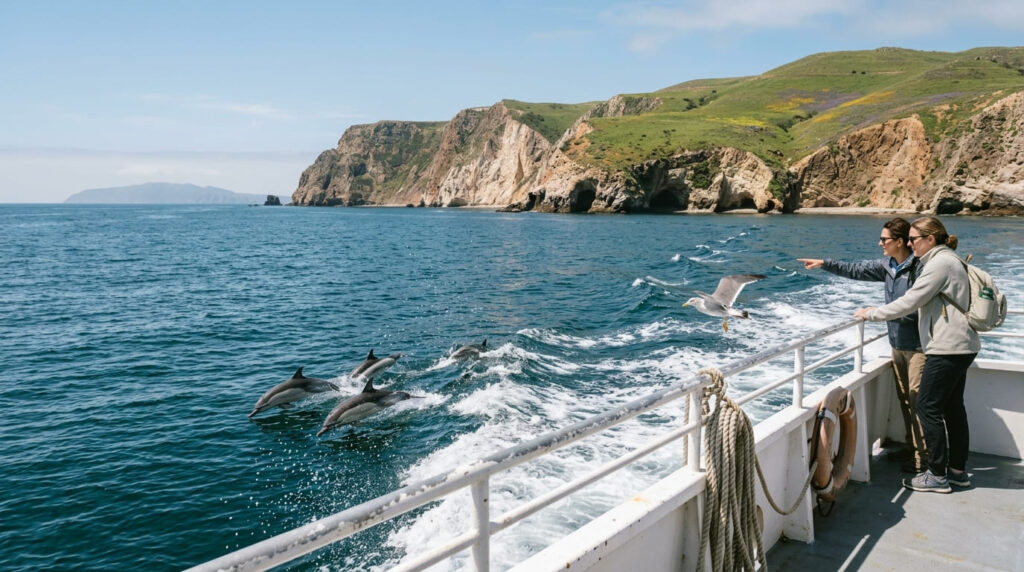
Spring (March through May) combines blooming wildflowers with generally calmer crossings, making it the most reliable window for both hiking comfort and getting there in the first place.
What to expect: no food, water, or services on most islands
Every island in the park requires packing in all food and water; there are no services once you’re off the boat. Ferry access to Santa Cruz and Anacapa runs year-round through Island Packers, but the more remote islands (Santa Rosa, San Miguel, Santa Barbara) have a shorter operating season and longer crossings. Winter storms cause frequent cancellations across the board, so build flexibility into any winter trip. For more of the park, see our Channel Islands trail guide.
The honest bottom line
If you’re building a multi-park California trip, sequence it by season rather than geography: Joshua Tree and Death Valley in winter, Pinnacles and Channel Islands in spring, Yosemite’s high country and Lassen in summer, and Redwood whenever your schedule allows, since it barely has a wrong season.
Trying to force all nine parks into one visit or one season is the fastest way to end up somewhere dangerous (Death Valley in July) or somewhere closed (Lassen’s high trails in May).
If your travel dates are fixed rather than flexible, work backward from the calendar instead: figure out which two or three parks are good matches for your specific window, and treat the rest as a future trip rather than compromising on safety or access to fit everything in.
Frequently asked questions about the best time to hike each California national park
How many hiking trails are in Yosemite National Park?
Yosemite has more than 800 miles of trails, ranging from short paved walks like Cook’s Meadow to multi-day wilderness routes, so there’s an option at every difficulty level regardless of season.
How many national parks are in California?
California has nine national parks total; this guide covers all nine (Yosemite, Sequoia, Kings Canyon, Joshua Tree, Death Valley, Redwood, Lassen Volcanic, Pinnacles, and Channel Islands), with Sequoia and Kings Canyon jointly managed and often visited together.
Which California national park is best for beginners?
Redwood and the sequoia groves at Sequoia & Kings Canyon are the easiest starting points, with flat, well-maintained trails and no extreme seasonal safety concerns; see our hiking difficulty levels guide for how to match a specific trail to your fitness level.
Do all California national parks require an entrance fee?
No: most charge $30–35 per vehicle, but Channel Islands has no entrance fee at all (your main cost is the boat), and several parks offer fee-free days throughout the year.
Which California national park is least crowded?
Lassen Volcanic and Channel Islands are consistently the least visited of the nine, thanks to Lassen’s short season and remote location and Channel Islands’ boat-only access.
Can you visit more than one California national park in one trip?
Yes, and it’s common: Sequoia and Kings Canyon are typically visited together since they’re jointly managed and adjacent, and a longer Eastern Sierra or Southern California itinerary can reasonably combine Yosemite, Death Valley, and Joshua Tree if you sequence the driving and seasons thoughtfully.