Desolation Wilderness Permits & Backpacking Guide
Desolation Wilderness permits are the ticket into more than 100 alpine lakes, bare granite basins, and a skyline of peaks just west of Lake Tahoe, and the Forest Service takes them seriously because this is one of the most heavily used wilderness areas in the country. Early visitors called the basin Devil’s Basin. Today the problem is not emptiness but crowds, so every overnight stay is rationed by zone. Day hikers need only a free permit. Backpackers need a reserved zone, a hard-sided bear canister, and a plan for the first night. This guide covers both, then shows where to point your pack once the permit is in hand.
Disclosure: Please note that some of the links below are affiliate links and at no additional cost to you, I may earn a commission. Know that I only recommend hiking gear I personally stand behind; when you use my affiliate links, it helps me run this blog and keep all of this content free of charge for readers (like you).
Key Takeaways
- Everyone needs a permit. Day use is free and self-issued at major trailheads in summer. Overnight stays need a paid permit all year.
- Overnight permits are tied to a zone. There are 45 destination zones, and you must spend your first night in the zone on your permit. After that, you can move.
- Quota season runs from the Friday before Memorial Day through September 30. In that window, 70% of each zone’s quota can be reserved on Recreation.gov up to six months ahead, and 30% is held for same-day walk-ins.
- Fees are $6 per permit plus $5 per adult for one night or $10 per adult for two to 14 nights. Children 12 and under are free, and recreation fees cap at $100 per permit.
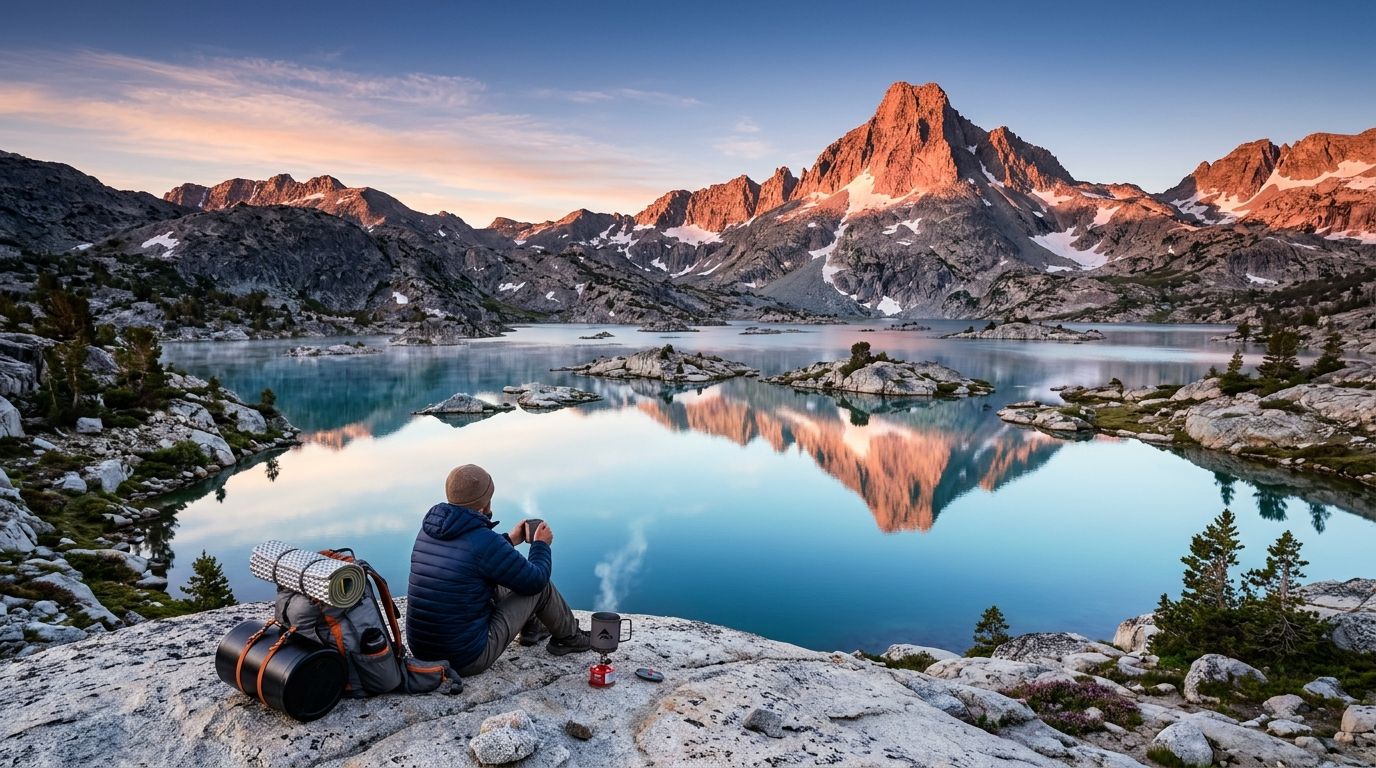
- Bear canisters are required, and campfires are prohibited. Stoves with an on/off valve are allowed.
- Group size tops out at 12, though many zones allow fewer people than that.
Desolation Wilderness Permits at a Glance
| Permit | Who needs it | Cost | How to get it |
|---|---|---|---|
| Day use | Every day hiker | Free | Self-issue at major trailheads in summer, or pick up at a Forest Service office |
| Overnight, quota season | Anyone camping from the Friday before Memorial Day to Sept 30 | $6 reservation fee plus $5 or $10 per adult | Recreation.gov (70%) or walk-in (30%) |
| Overnight, off-season | Anyone camping outside quota season | Same fees; no quota | Book and print on the day of entry, or get in person |
| Tahoe Rim Trail thru-hike | Hikers completing the entire loop in one continuous trip | See Recreation.gov | Recreation.gov; Zone 46 has 10 spaces a night |
For a statewide view of how permits differ, see our California hiking trail permits and passes guide.
How Permits for Desolation Wilderness Work: Zones, Quotas and the First-Night Rule
Ice made this place, and ice is why it is fragile. During the last ice age, sheets more than 1,000 feet deep scoured the basins that now hold Emerald Bay, Cascade Lake, Fallen Leaf Lake and the Echo Lakes, along with nearly 130 smaller lakes, and left bare granite behind.
Soil is thin, the growing season is short, and a trampled shoreline takes years to recover. There are no buildings or roads inside the boundary, and travel is on foot or with pack stock only. Zones and quotas exist to protect that fragile ground.
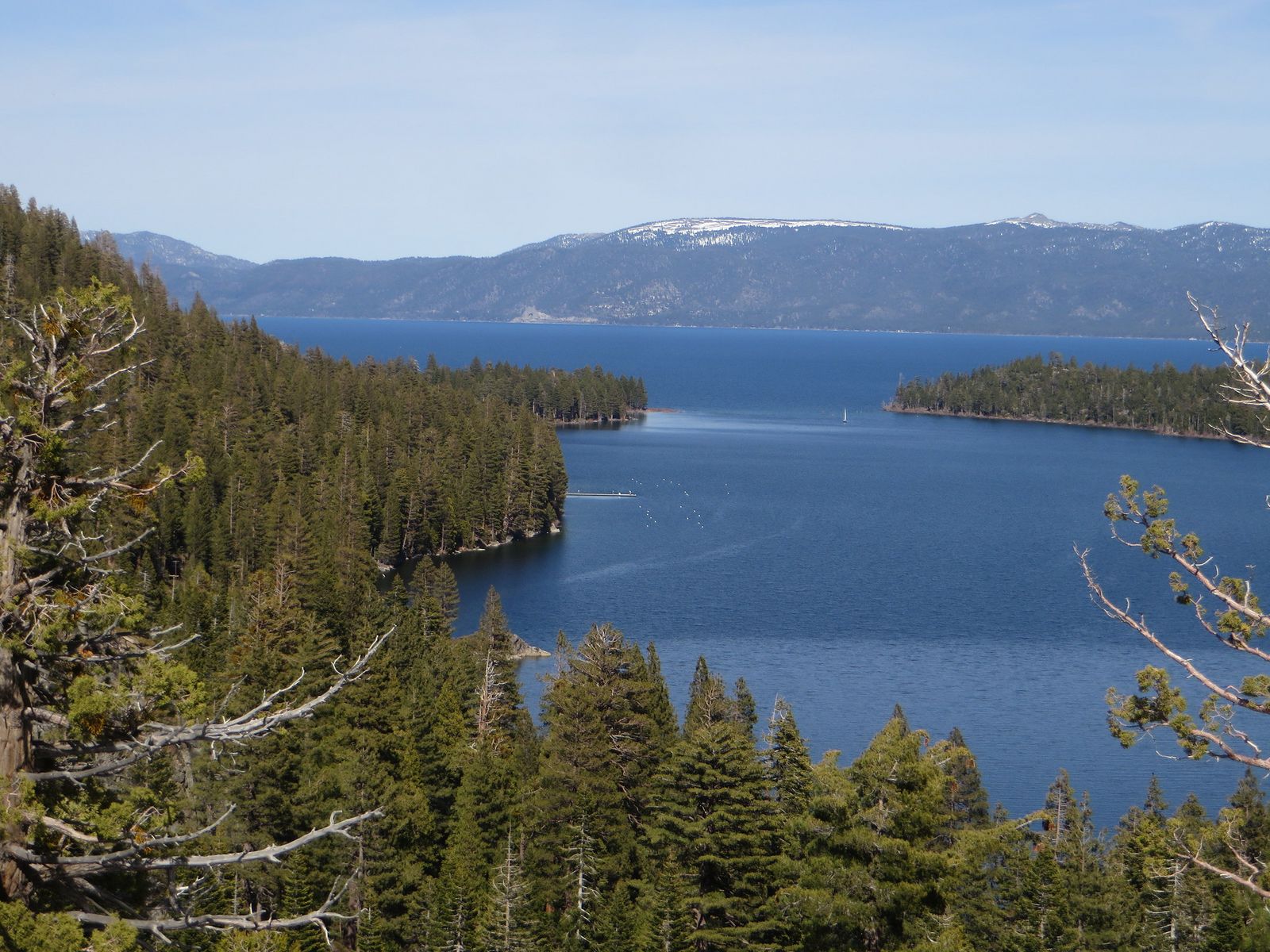
Desolation Wilderness spreads across roughly 64,000 acres of the Eldorado National Forest and the Lake Tahoe Basin Management Unit, climbing from about 6,500 feet to nearly 10,000 feet at Pyramid Peak.
The Forest Service splits it into 45 destination zones, each with its own daily quota. Pick the zone where you will sleep your first night, and that zone is what you reserve. Aloha, Susie, Gilmore, Lake of the Woods, and the Velma Lakes are all zones, and the popular ones fill first.
Two details trip people up. Many zones hold fewer people than the 12-person group maximum, so a large party may not fit in the zone it wants. And one person can be responsible for only one permit, so a trip with several groups needs several permit holders.
After the first night, you can move to any other zone, as long as you exit by the last date on your permit. That rule is the secret to building a traverse: reserve an easier edge zone, then walk deeper.
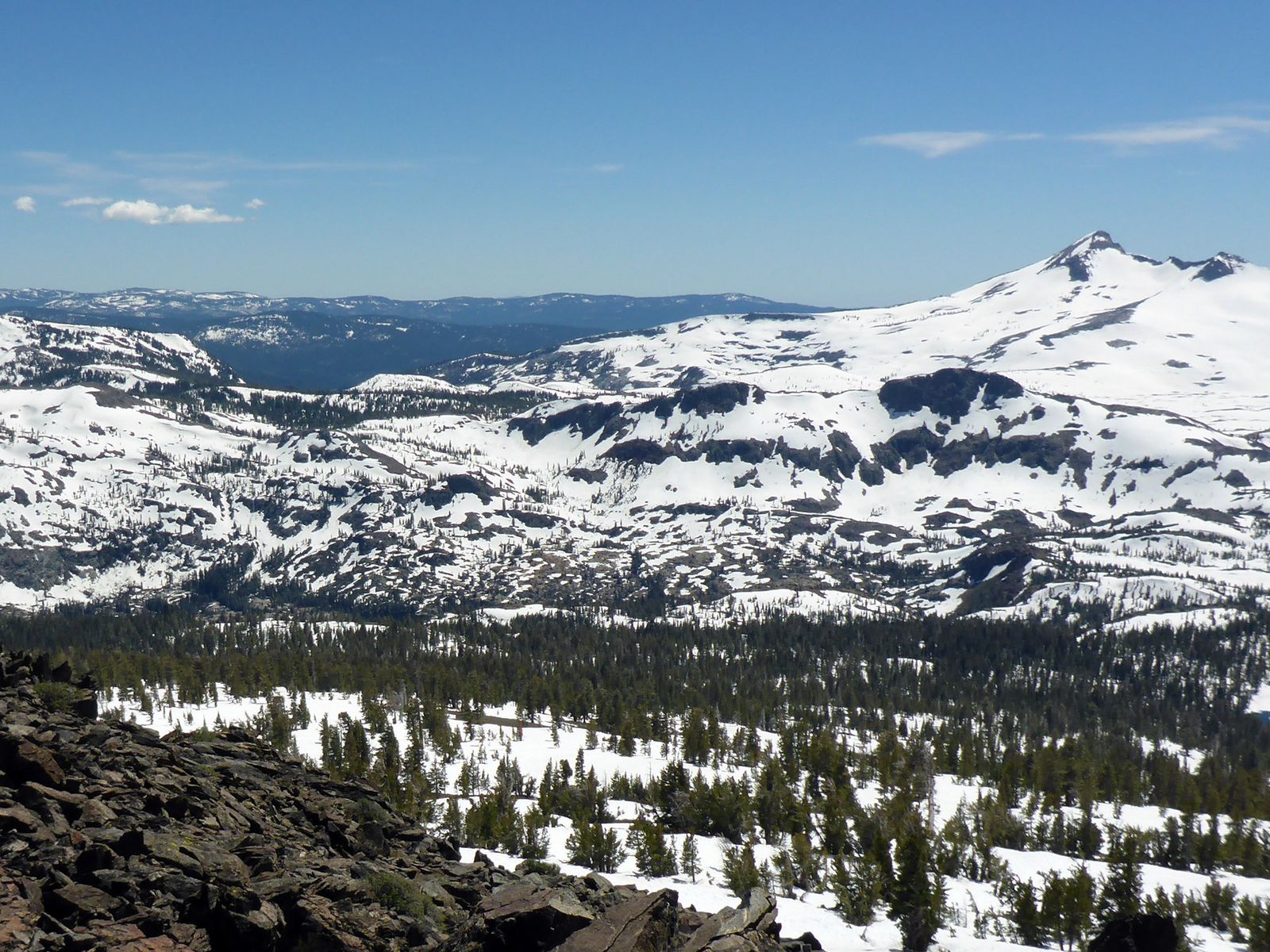
During the quota season, 70% of each zone’s daily quota is reservable online from six months to one day ahead, and 30% is released to same-day walk-ins. Outside the quota season, permits are still required but never sell out.
How to Get Desolation Wilderness Permits
- Pick a first-night zone and a backup. Check the zone map and quota list before you commit.
- Search Recreation.gov for “Desolation Wilderness Permit.” Leaving off the word “Permit” can send you to the wrong page. The official Recreation.gov permit listing shows availability by zone and date.
- Reserve up to six months ahead. Weekends and holidays in July and August go first, and midweek or late-September dates are easier. Cancellations return to the pool, so check back often.
- Print your permit and sign it. During quota season, it can be printed starting seven days before entry. A reservation confirmation is not a valid permit, and the group leader must carry the signed copy.
- Enter on the date shown and sleep your first night in the zone you chose.
What the permit costs
| Group | Nights | Recreation fee | Reservation fee | Total |
|---|---|---|---|---|
| 2 adults | 1 | $10 | $6 | $16 |
| 2 adults | 3 | $20 | $6 | $26 |
| 4 adults + 2 kids (12 and under) | 2 | $40 | $6 | $46 |
| 12 adults | 2 or more | $100 (capped) | $6 | $106 |
Desolation annual pass holders pay no recreation fee but still pay the $6 reservation fee. Cancel at least eight days before entry and the recreation fees are refunded, but the reservation fee never is.
Changes to group size, nights, or zone cost $5 if made more than eight days out, and a new date means canceling and rebooking.
Walk-in permits and day use
The 30% walk-in share is issued in person. The Forest Service says it is available at the Placerville Ranger Station in Camino seven days a week starting the Friday before Memorial Day, and at the Forest Supervisor’s Office in South Lake Tahoe on weekdays.
As of the Forest Service’s spring 2026 notice, the Taylor Creek Visitor Center was not issuing permits, so call before you drive. Popular zones go early. Read the Forest Service’s own Desolation Wilderness permit page for current office hours.
Day hikers do not face zones or quotas. A free day permit is available at Forest Service offices or at major trailheads in summer.
Recreation.gov lists the requirement as year-round, while the Eldorado National Forest says permits are not needed when trailhead boxes come down in winter, roughly October to March. Carry one if you can.
Tahoe Rim Trail thru-hikers
New in 2026, a separate Zone 46 serves hikers who complete the entire Tahoe Rim Trail loop in one continuous trip. It has a quota of 10 spaces a night, a limit of two nights in the wilderness, camping within 300 feet of the trail, and no camping around Lake Aloha. Permits print up to 14 days ahead.
Desolation Wilderness Backpacking: Choosing a Zone and Trailhead
Thirteen trailheads feed the wilderness, split between the east (Tahoe) side and the west (Highway 50 and Wrights Lake) side. Distances below are approximate one-way miles, and the first-night rule means any of them can be the start of a longer loop.
| Goal | First-night zone | Trailhead | Approx. distance one way |
|---|---|---|---|
| First backpacking trip | Susie (34) | Glen Alpine | About 4 miles |
| Classic Desolation Valley | Aloha (33) | Glen Alpine, or Echo Lakes | About 6 miles from Glen Alpine; about 7.5 on foot from Echo Lakes |
| Lake with a view of Mount Tallac | Gilmore (29) | Glen Alpine or Mount Tallac | About 4 miles from Glen Alpine |
| Quiet corner | Phipps (12) | Meeks Bay | About 9 miles |
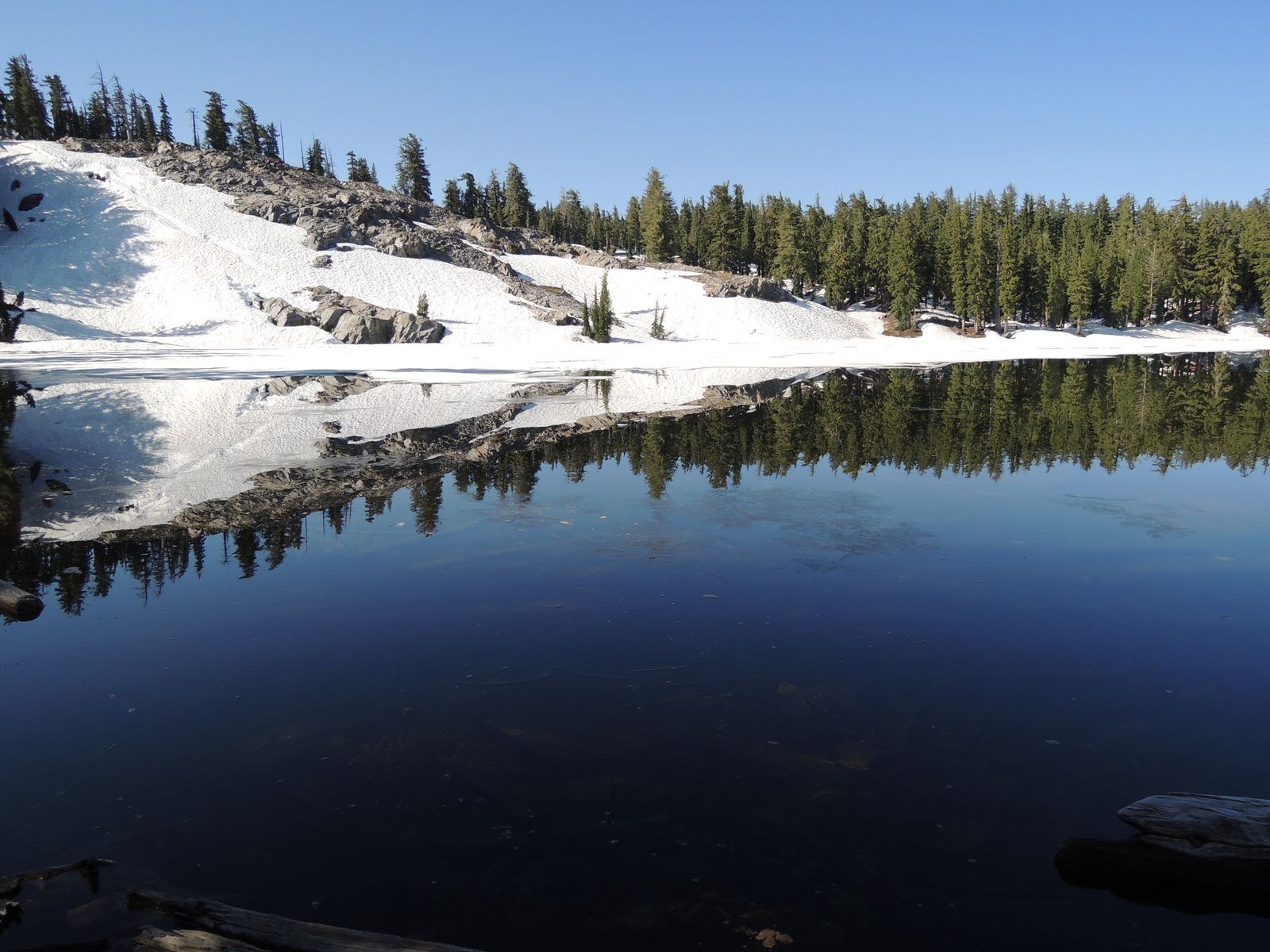
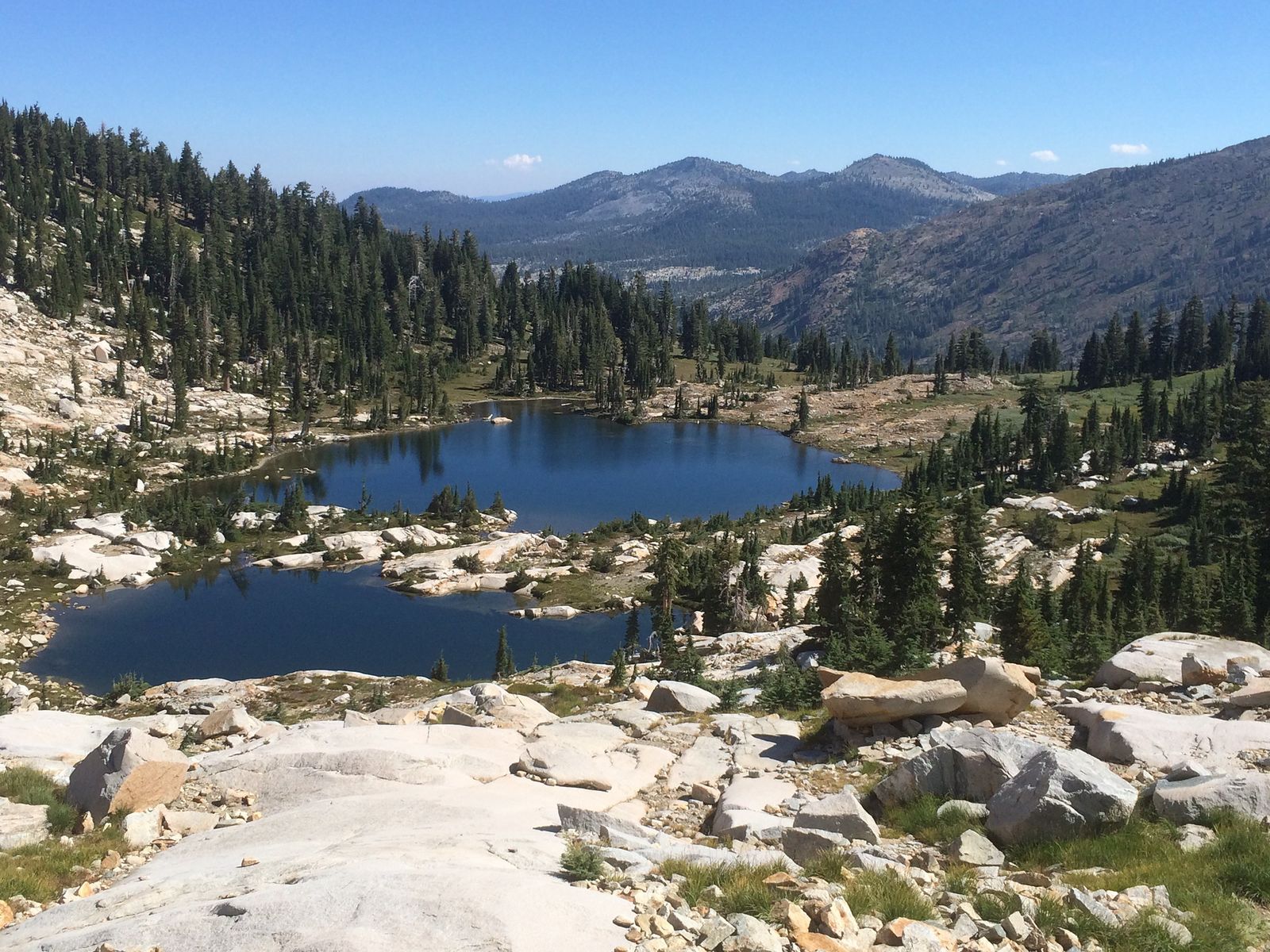
Lake Aloha is the headliner: a wide lake under Pyramid Peak and Mount Price, enlarged by dams, the first built in 1875. It is also one of the hardest zones to book, so many hikers grab Susie or Gilmore and day hike to Aloha.
At Echo Lakes, a seasonal boat taxi from Echo Chalet trims about 2.5 miles off the walk, though fares and schedules change. If this is your first overnight, our beginner’s guide to backpacking trails in California covers pacing and gear.
Three ways to build a trip
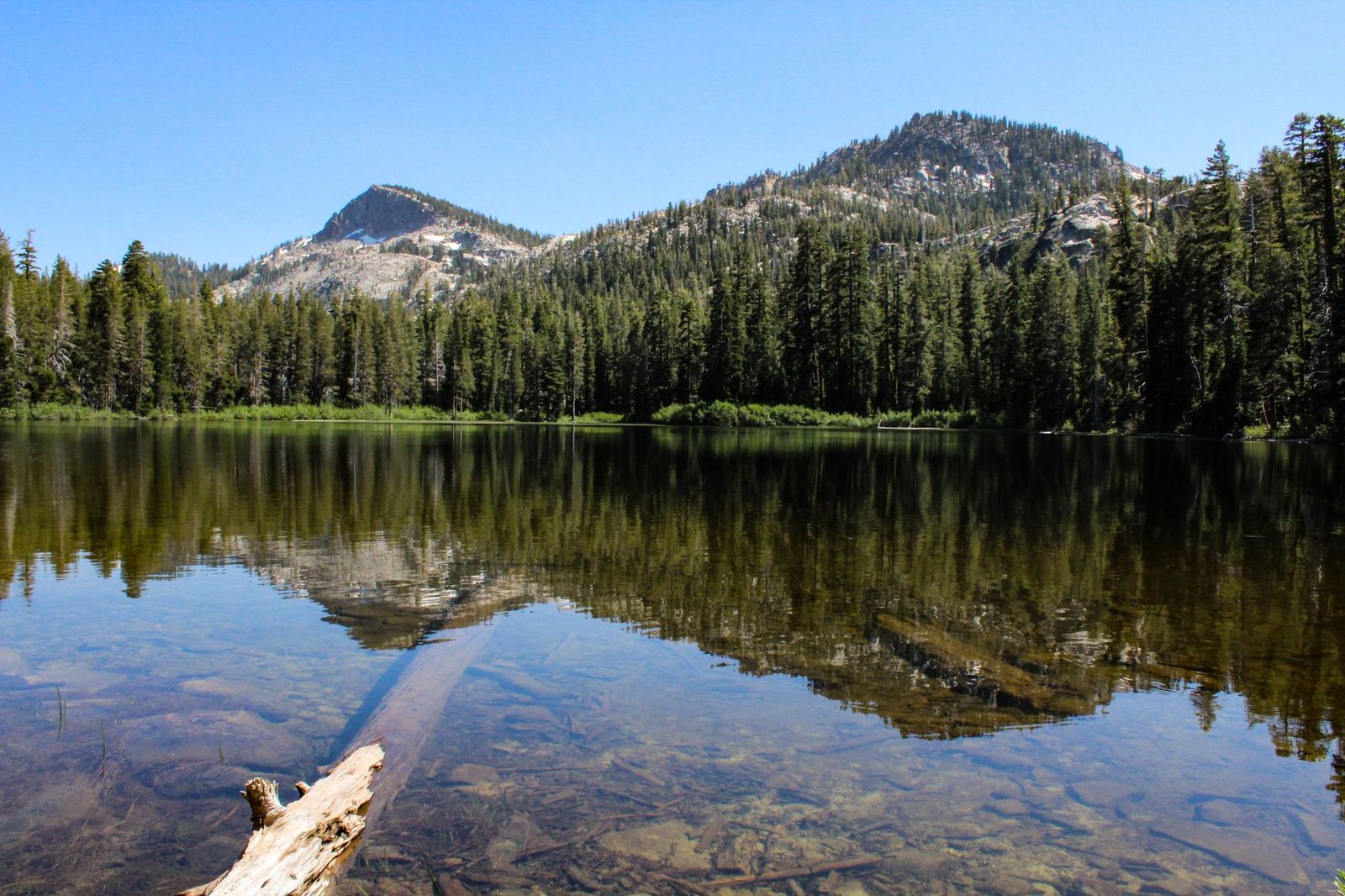
- An easy weekend: Hike from Glen Alpine to Susie Lake and sleep your first night in the Susie zone. Heather Lake and Lake Aloha lie less than two miles beyond, so Aloha makes a day hike of about four miles round trip, and you carry a light pack for it.
- A direct line to Aloha: Take the Echo Chalet boat taxi, follow the Pacific Crest Trail into the wilderness, and camp in the Aloha zone. Reserve as early as the window opens, because this is one of the hardest zones to get.
- A traverse: Reserve a quiet edge zone such as Phipps from Meeks Bay, then use the first-night rule to continue toward Rubicon Lake, Lake Aloha, or the Velma Lakes. Ending at Echo Lakes means arranging a shuttle between trailheads.
The Pacific Crest Trail runs 17 miles through the wilderness, from Echo Lakes in the south to Richardson Lake just past the northern boundary.
Our Pacific Crest Trail in California guide covers the long-distance view. Another quota wilderness with a different system is covered in our Emigrant Wilderness hiking and permit guide.
Desolation Wilderness Camping Rules
| Rule | What to know |
|---|---|
| Bear canisters | Required for all overnight visitors; must be hard-sided; fines up to $5,000 |
| Campfires | Prohibited everywhere in the wilderness; your permit doubles as a campfire permit for a gas stove with an on/off valve |
| Campsites | At least 100 feet from water and trails; durable surfaces only |
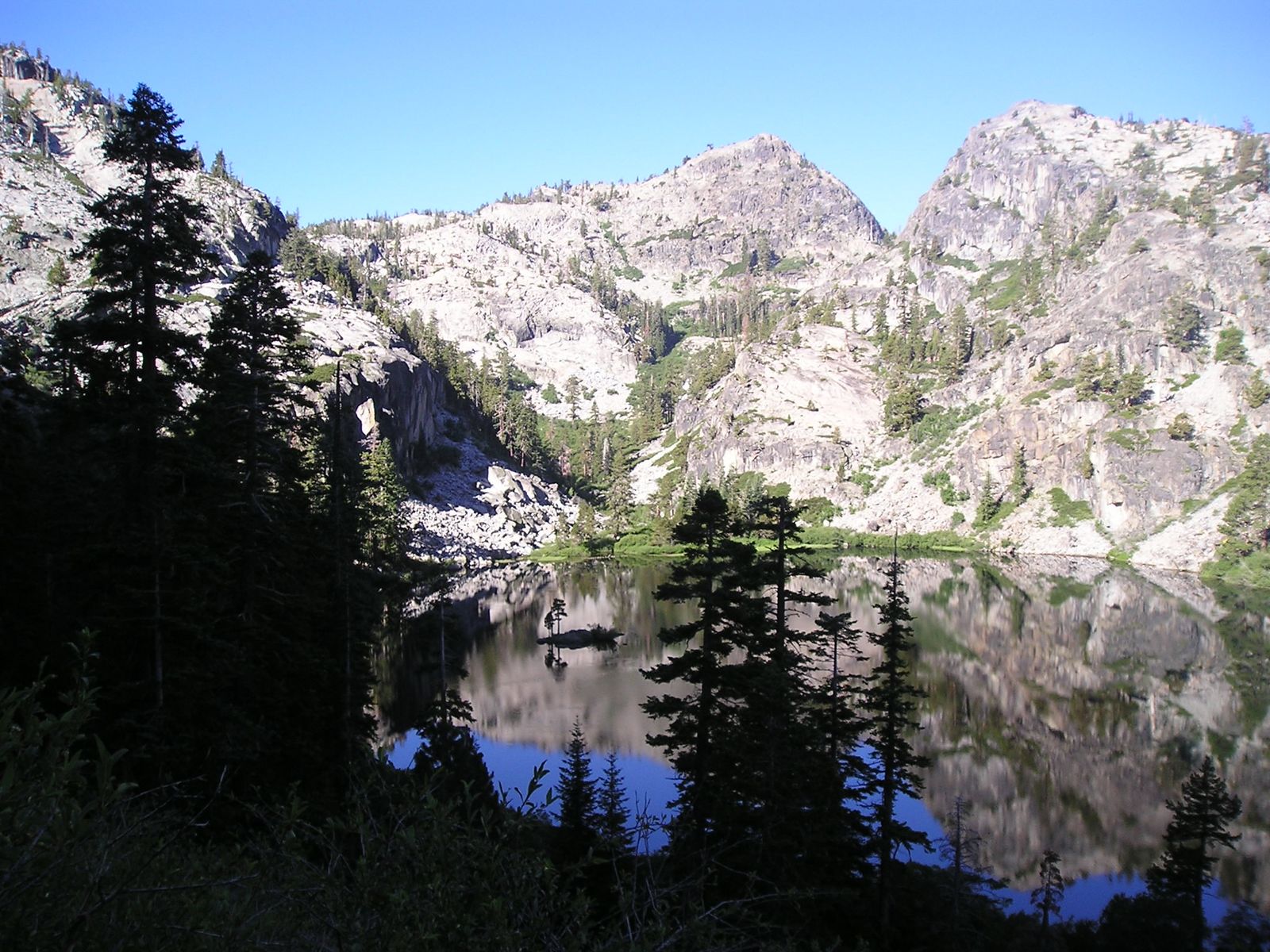
| Designated sites | Eagle Lake, Grouse and Hemlock Lakes, and parts of Lake of the Woods have marked 4×4 posts; camp within 30 feet, one group per site, and at least 500 feet from the shore if all are taken |
| Group size | 12 people maximum; zone quotas may be smaller |
| Length of stay | 14 days maximum |
| Waste | Cat holes 6 to 8 inches deep and 200 feet from water or trails; pack out toilet paper |
| Washing | No soap, even biodegradable, in lakes or streams; wash cookware 200 feet away |
| Dogs | Allowed under control and on a leash |
| Travel | Foot and stock only; no bikes, strollers or wheeled gear |
Black bears are increasingly common here, pushed up from lower elevations, so treat the canister as non-negotiable. Our wildlife hazards guide explains how to store food and respond to an encounter.
Treat all water, camp away from the shoreline to dodge mosquitoes, and bring warm layers, because nights stay cold.
Desolation Wilderness Hikes You Can Do on a Free Day Permit
You do not need a zone for a day hike, only the free permit. Approximate one-way distances:
- Eagle Falls to Eagle Lake, about 1 mile. One of the shortest ways into the wilderness. See our Eagle Falls hiking guide.
- Bayview to Granite Lake, about 1.3 miles. A steep climb above Emerald Bay, covered in our Emerald Bay State Park guide.
- Glen Alpine to Grass Lake, about 2 miles, or on to Susie Lake at about 4.
- Echo Lakes to Upper Echo Lake, about 2.5 miles along the shore, or by boat taxi.
For trail-by-trail detail, see our 5 best hiking trails in Desolation Wilderness, and for the wider area, our El Dorado County hiking trails guide.
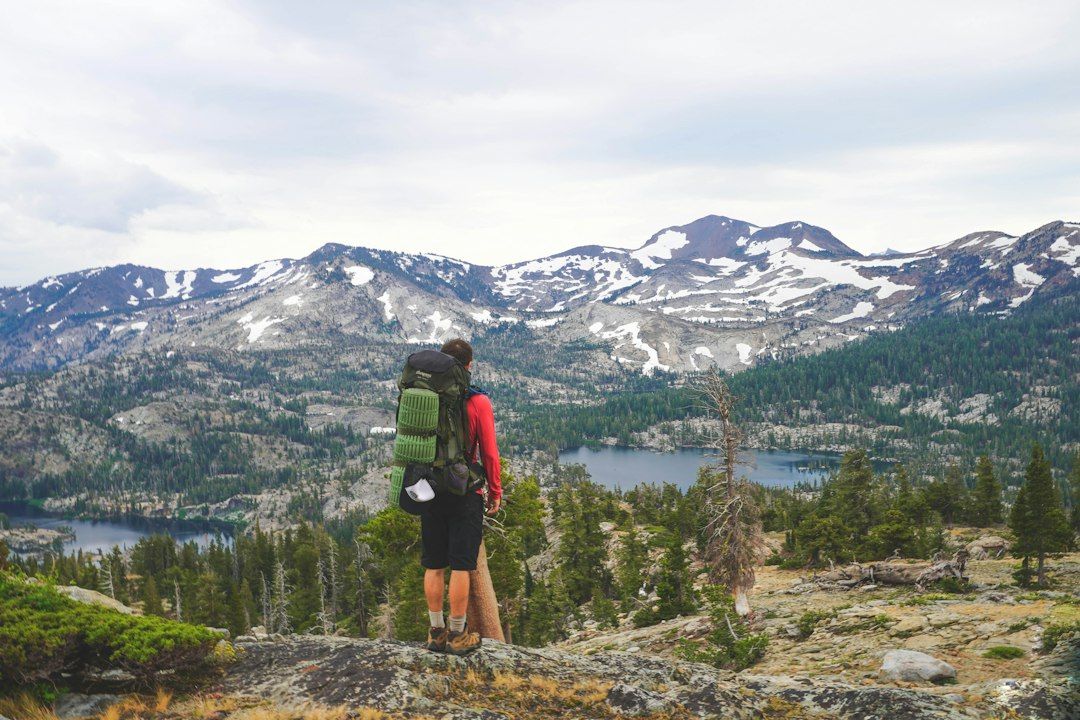
When to Go and What to Check
Heavy snow can arrive as early as October and linger through July, and snowmelt makes streams high and fast from May through July. Fire restrictions apply across the Eldorado National Forest in dry months, and parts of the wilderness burned in the 2021 Caldor Fire, so watch for fire-weakened trees.
Some trailheads can close for construction, as happened around Wrights Lake in summer 2026. Elevation matters too: watch for headache, nausea, and fatigue, and descend if they persist.
Our guide to the best time to hike each major California national park is a useful seasonal companion, and our where to stay near Lake Tahoe guide covers beds before or after your trip.
The week-before checklist
- Print and sign your permit, and keep it where the group leader can reach it.
- Buy or borrow a hard-sided bear canister. The permit listing says rentals may be available through Forest Service permit offices.
- Check Eldorado National Forest alerts for fire restrictions, and call the permit office about trail and snow conditions.
- Pack a stove with an on/off valve, a water filter or purification tablets, and warm layers.
- Leave the bikes and strollers at home, since wheeled gear is not allowed.
Frequently Asked Questions
Do I need a permit to day hike in Desolation Wilderness?
Yes, a free one. Self-issue it at major trailheads in summer or pick it up at a Forest Service office.
How far ahead should I book an overnight permit?
Permits open six months ahead and popular weekend zones fill fast, so book as early as you can. Midweek and late-September dates are easier.
Can I get a permit on the day I arrive?
Sometimes. In quota season, 30% of each zone’s quota is held for in-person, same-day permits. Check office hours first.
Are campfires allowed in Desolation Wilderness?
No. Use a stove with an on/off valve.
Do I need a bear canister?
Yes, a hard-sided one, for every overnight trip.
Can I move to a different zone after the first night?
Yes. After your first night, you can camp elsewhere, as long as you exit by the last date on your permit.