Yosemite Permits & Wilderness Access Guide
Yosemite National Park permits sort into two camps. Day hikes need none, with one famous exception: the cables on Half Dome. Sleeping anywhere in the backcountry needs a wilderness permit every night of the year, and the park hands out a fixed number for each trailhead each day, so the granite basins and alpine lakes stay quiet.
Disclosure: Please note that some of the links below are affiliate links and at no additional cost to you, I may earn a commission. Know that I only recommend hiking gear I personally stand behind; when you use my affiliate links, it helps me run this blog and keep all of this content free of charge for readers (like you).
The system looks tangled from the outside, but it follows a simple rhythm: pick a trailhead, apply in a weekly lottery 24 weeks out (or grab the 40 percent that opens seven days ahead), then walk into a wilderness center and collect your paper.
This guide takes you through that rhythm, trailhead by trailhead, and ends with the rules that come attached once the permit is in your hand.
Key Takeaways
- Day hikes need no permit, except for Half Dome, which requires a permit whenever the cables are up.
- Any overnight in the Yosemite Wilderness needs a wilderness permit, all year. Reservations are required from late April through October.
- 60 percent of each trailhead’s daily quota goes by lottery 24 weeks ahead. The other 40 percent opens on Recreation.gov seven days ahead at 7 a.m. Pacific.
- The fee is $10 per application plus $5 per person if you win. Both are non-refundable.
- Pick up your permit in person at a wilderness center on the day of or the day before your start date.
- Bear canisters are required, and you can rent one at any staffed permit station for $5 a week.
- From about November through April, reservations and fees drop away, but permits and trailhead quotas still apply.
Which Yosemite National Park Permits Do You Need?
Start with what you plan to do after dark, because the permit follows the night, not the hike.
| Your plan | What you need |
|---|---|
| Day hike (anything except Half Dome) | No permit |
| Day hike to the top of Half Dome | Half Dome permit, whenever the cables are up |
| Backpack and camp in the wilderness | Wilderness permit (reservation from late April through October) |
| Backpack with a Half Dome summit | Wilderness permit from a Half Dome-eligible trailhead, plus the Half Dome add-on |
| Hike the John Muir Trail south out of Yosemite | Wilderness permit with Donohue Pass exit |
| Overnight big-wall climb | Wilderness climbing permit (free, no quota) |
| Frontcountry campground or lodging | No wilderness permit, but a campground or lodging reservation most of the year |
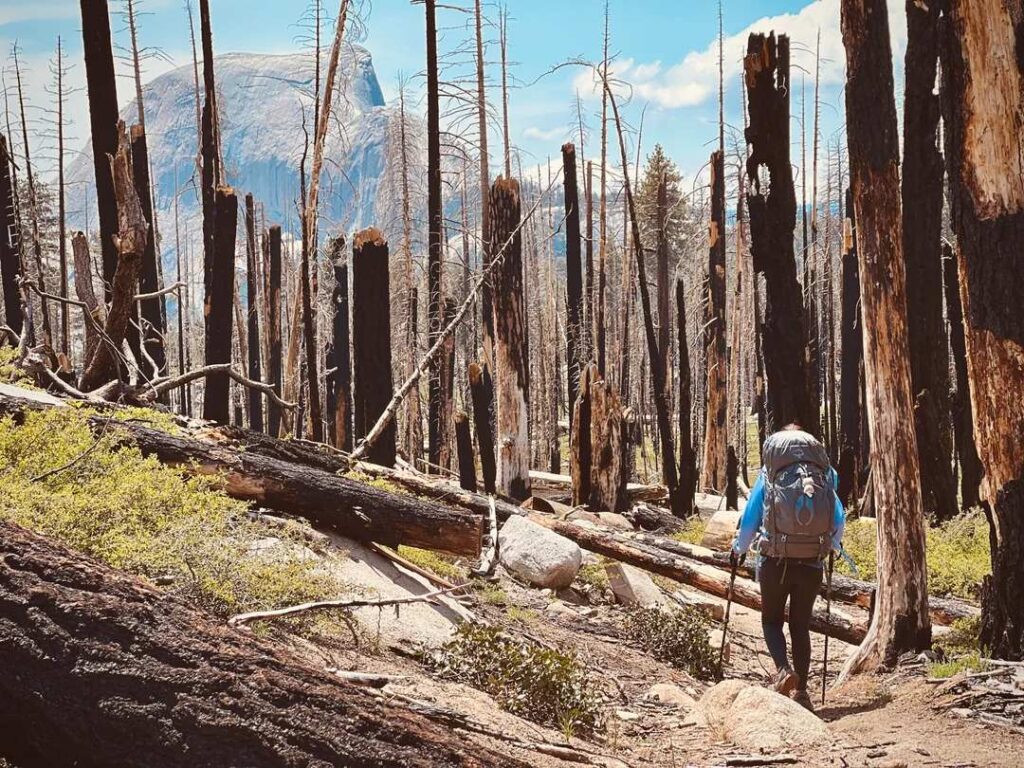
The rule reaches almost everywhere you would carry a tent: roughly 95 percent of the park is designated wilderness, and the Yosemite Wilderness holds more than 750 miles of trail. The NPS wilderness permits page is the official source for every detail below.
How Yosemite Wilderness Permits Work
Trailhead Quotas, Explained
A Yosemite wilderness permit is tied to where you start, not where you camp. Every entry trailhead has a daily quota, and each quota splits into a lottery portion (60 percent) and a first-come, first-served portion (40 percent).
After your first night, you can camp wherever you can hike to, as long as you follow the wilderness regulations. The exceptions are the five High Sierra Camps and Little Yosemite Valley, where you must use the designated campgrounds.
Here is a sample of 2026 quotas from the NPS trailhead page:
| Trailhead | Lottery quota | Week-ahead quota | Total per day | Notes |
|---|---|---|---|---|
| Happy Isles to Little Yosemite Valley | 15 | 10 | 25 | Half Dome eligible; first night in Little Yosemite Valley |
| Happy Isles past Little Yosemite Valley (Donohue Pass eligible) | 9 | 6 | 15 | Half Dome eligible |
| Glacier Point to Little Yosemite Valley | 6 | 4 | 10 | Half Dome eligible |
| Lyell Canyon (Donohue Pass eligible) | 18 | 12 | 30 | Starts at Tuolumne Meadows |
| Cathedral Lakes | 15 | 10 | 25 | Half Dome eligible |
| Yosemite Falls | 15 | 10 | 25 | Starts in Yosemite Valley |
| Ten Lakes | 24 | 16 | 40 | Starts on Tioga Road |
| Rancheria Falls | 21 | 14 | 35 | Starts at Hetch Hetchy |
Quotas can change from year to year, so check the NPS list before you choose. For northern reservoir routes like Rancheria Falls, explore our Hetch Hetchy and Wapama Falls guide. If you are still choosing a route, start with our guide to the best hiking trails in Yosemite National Park.
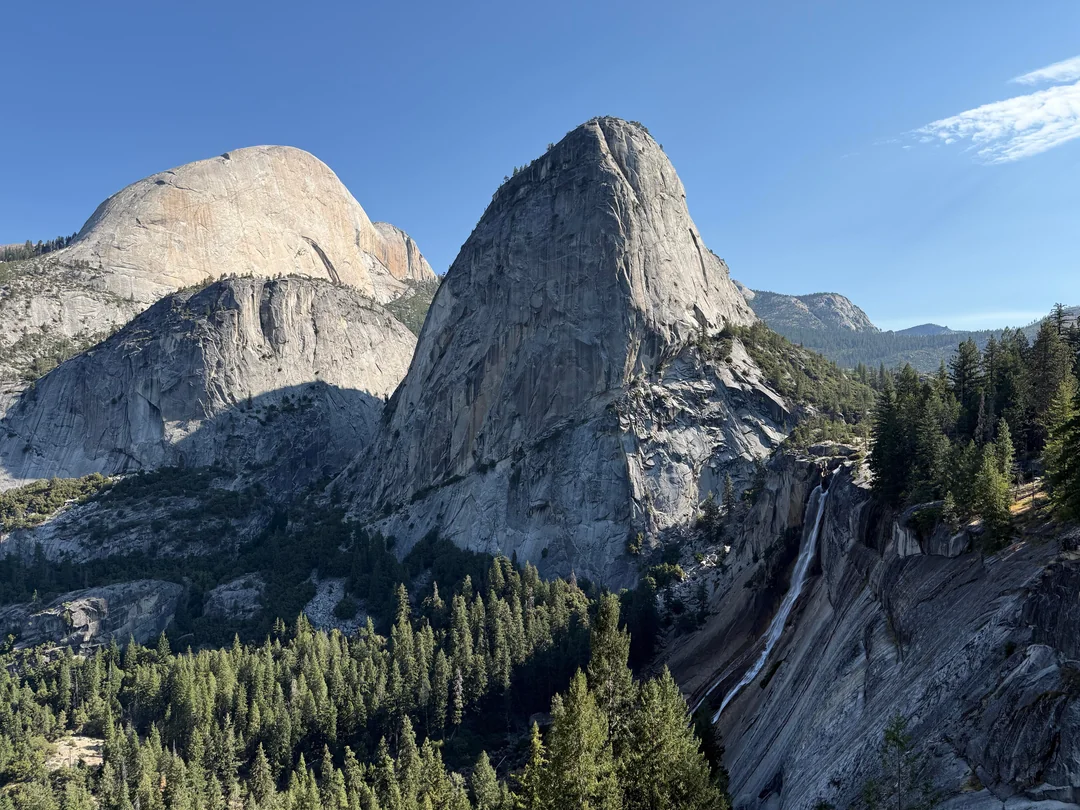
If you wonder why Happy Isles to Little Yosemite Valley sells out first, look at what sits at the end of it. Little Yosemite Valley is a backpackers’ campground about 2,000 feet above the valley floor and just under four miles from the trailhead, and it is the launch pad for Half Dome.
How to Get a Yosemite Wilderness Permit
There are three ways in, and they run in a fixed order.
- The weekly lottery, 24 weeks out. Sixty percent of each quota is released by lottery on Recreation.gov. Applications open Sunday at 12:01 a.m. Pacific and close Saturday at 11:59 p.m., and results arrive by Monday at 5 p.m. You then have until Thursday at 11:59 p.m. to accept. When you apply during that week has no effect on your odds.
- Leftovers, then the week-ahead release. Reservations the lottery did not take open to everyone on a first-come, first-served basis the Friday after the lottery closes. Another 40 percent of each quota opens seven days before your start date at 7 a.m. Pacific, and stays available until three days before. I set a phone alarm for 6:55 a.m. Pacific on that morning and keep my Recreation.gov login open.
- Walk-up on the start date. Any unreserved permits are handed out in person at wilderness centers. NPS is blunt about this one: do not arrive expecting a walk-up permit from late April through mid-October, because few, if any, remain.
Fees: $10 per application, plus $5 per person once you are awarded a permit. Neither is refundable.
Tips for Better Odds
- Apply for more than one option. A lottery application can list up to eight options, any mix of dates, date ranges, trailheads, and group sizes, and Recreation.gov tries them in the order you add them.
- Go midweek and choose a quieter trailhead. NPS says many trailheads have been full on the first day they open, and recommends midweek starts and less-popular trailheads.
- Name an alternate. You can list up to three alternate trip leaders, and you can only add them while applying. Trip leaders cannot be changed afterward.
- Know the limits. You get one application per weekly lottery and no more than six active reservations at a time.
- Reservation seasons differ by area. In 2026, Yosemite Valley and Hetch Hetchy opened for late-April starts, Wawona in mid-May, and Tioga Road and Tuolumne Meadows trailheads in mid-June.
Yosemite Conservancy staff also review each application for errors, so watch your email after you submit.
Yosemite Wilderness Center and Permit Stations
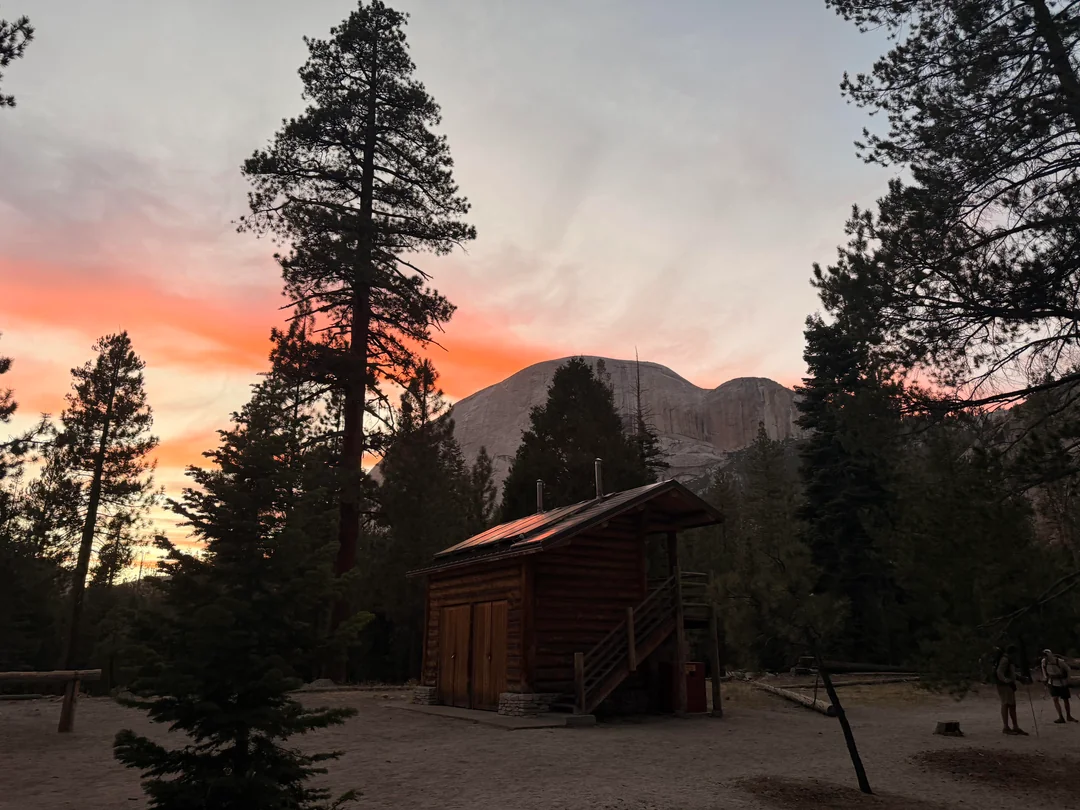
A reservation is not the finish line. Your trip leader (or a listed alternate) has to collect the permit in person at a permit station on the day of or the day before the start date, and the Yosemite Wilderness Center in the valley is where most backpackers go.
| Station | Season | What to know |
|---|---|---|
| Yosemite Valley Wilderness Center | May through October | Between the Ansel Adams Gallery and the post office in Yosemite Village, about a five-minute walk from Yosemite Village Parking and the Valley Welcome Center. From November to April, self-registration permits are in front of the Valley Welcome Center. |
| Tuolumne Meadows Wilderness Center | About late May to October 14 | Off Tioga Road, about a mile east of the visitor center. Self-registration after it closes, though Tioga Road is closed in winter. |
| Big Oak Flat Information Station | May to October | Closest station to Hetch Hetchy and Crane Flat trailheads. Self-registration on the porch when closed. |
| Wawona Visitor Center at Hill’s Studio | May to October | Self-registration on the porch when closed. |
| Badger Pass Ranger Station | About late December through March | Self-registration for winter ski and snowshoe trailheads. |
| Hetch Hetchy Entrance Station | Self-registration at the kiosk rear window, November through March | From about April through October, pick up at Big Oak Flat. |
Wilderness centers run from 8 a.m. to 5 p.m., and there are no after-hours permits in summer. If you expect to arrive after 11 a.m. on your start date, hold your permit for late arrival in your Recreation.gov account, which you can do starting one week before the trip. If you skip that step, the reservation is cancelled.
Rangers will answer questions and flag current conditions, but they will not plan the trip for you, so arrive with a route, a first-night camp and an exit trailhead.
Once the reservation is confirmed, you can change your exit date and exit trailhead, including at pickup, and the exit date can be up to 14 days after your start date.
Each station sits in a different trail country. Tuolumne Meadows and Hetch Hetchy fall within Tuolumne County, and our guide to hiking in Tuolumne Meadows covers the high-country side just south of the Emigrant Wilderness region.
Yosemite Valley and Wawona sit in Mariposa County, and the Yosemite south entrance trail roundup covers the Wawona area.
Half Dome Permits
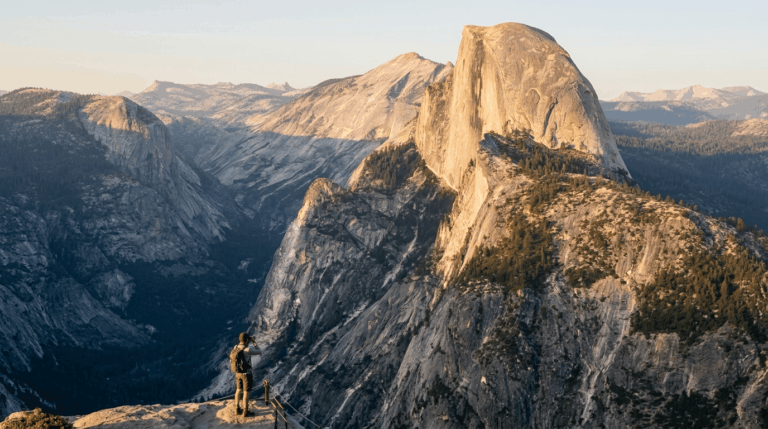
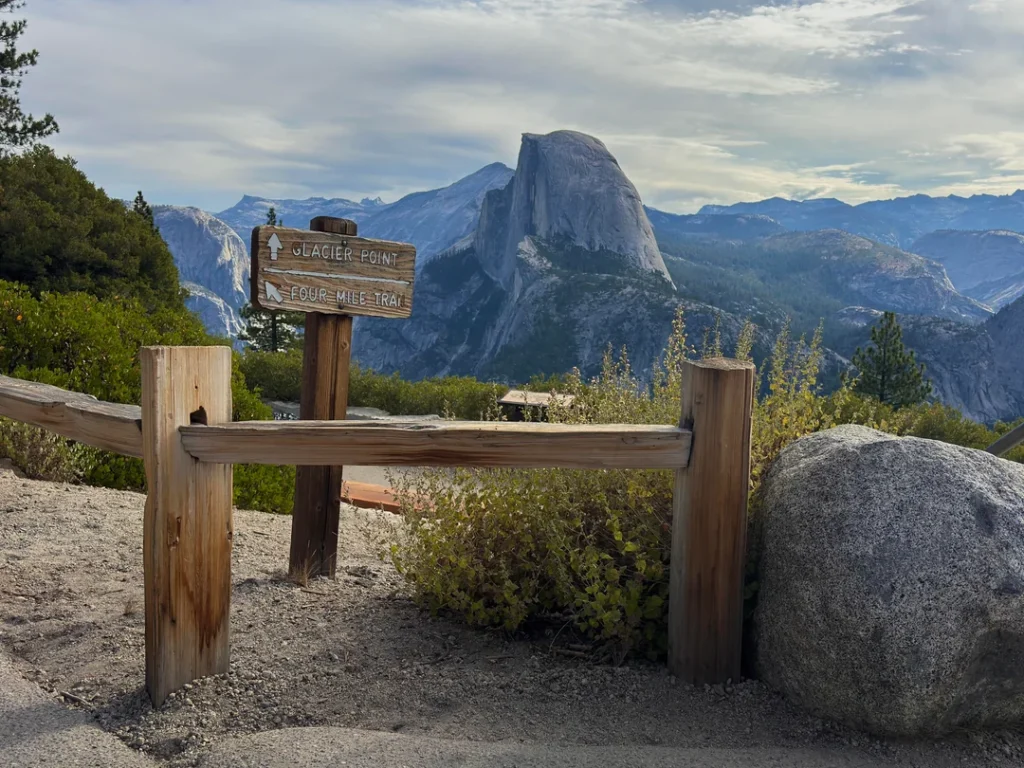
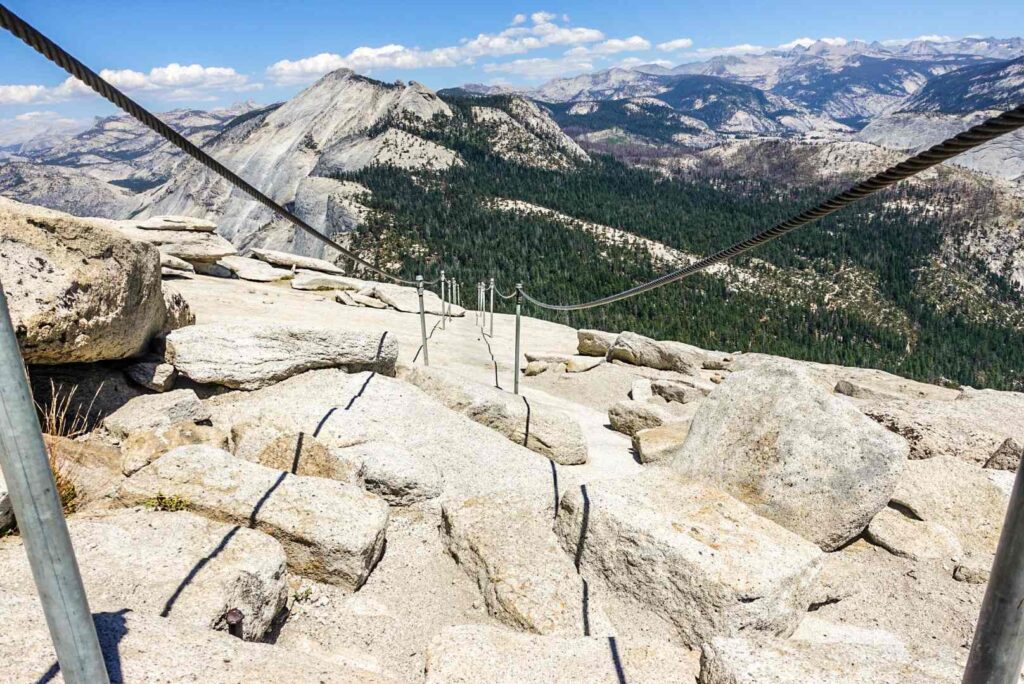
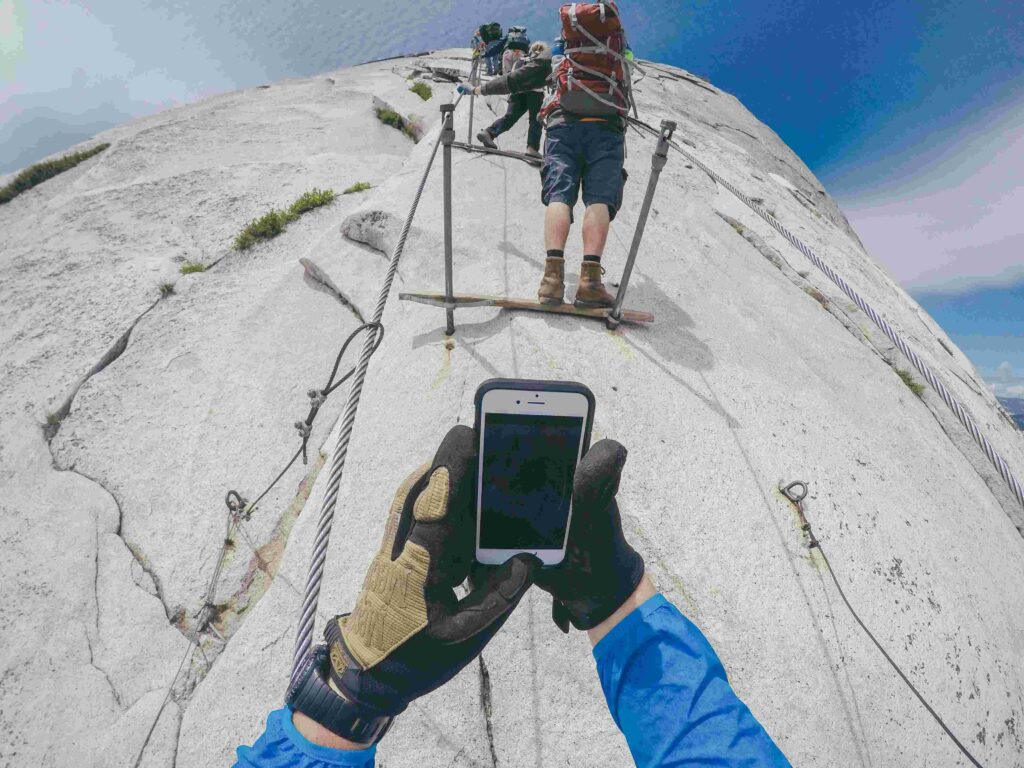
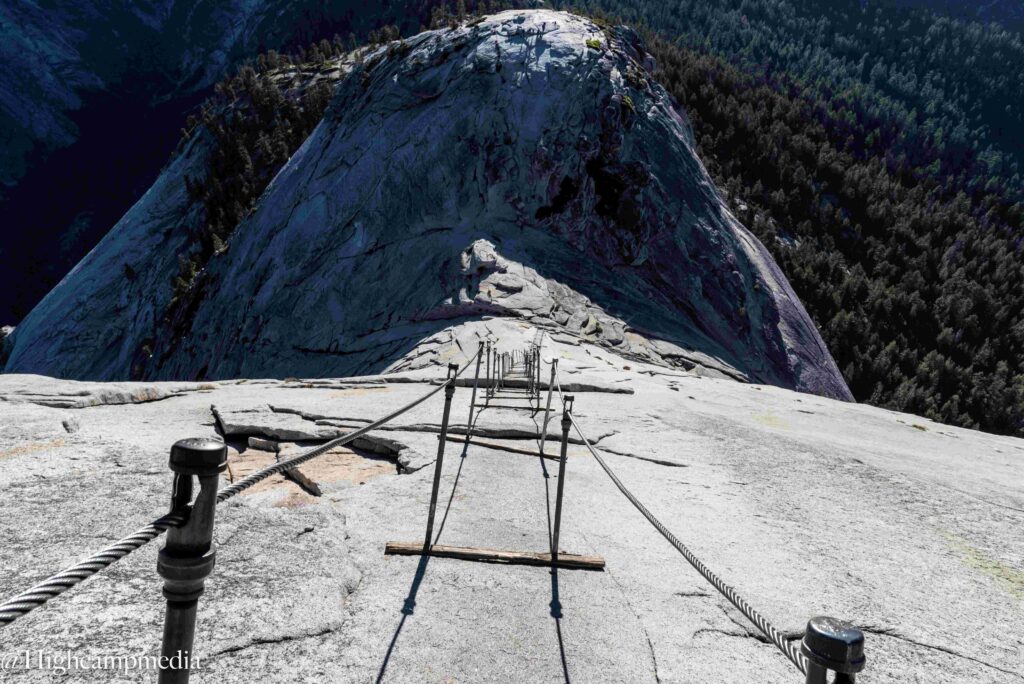
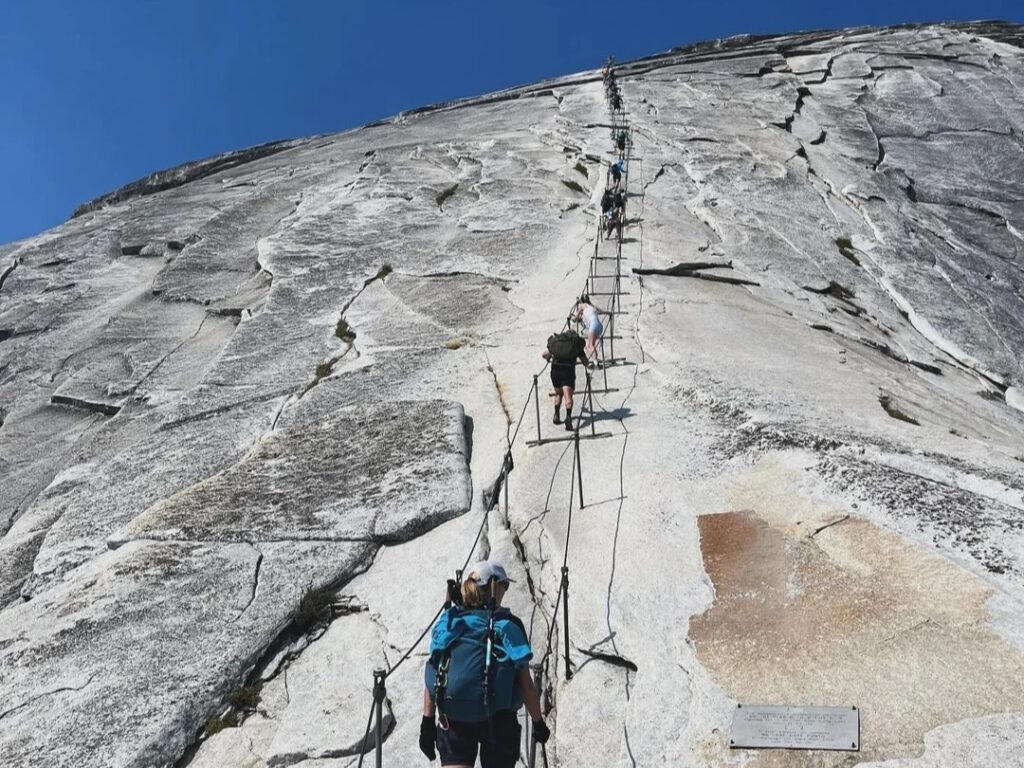
Half Dome has its own system, separate from a wilderness permit. For a complete walkthrough of the application process, check out our Half Dome hike permit guide. A permit is required seven days a week whenever the cables are up. The cables normally go up the Friday before Memorial Day and come down after the second Monday in October, and NPS caps the trail beyond the subdome at 300 hikers a day (about 225 day hikers and 75 backpackers).
Day hikers enter a lottery on Recreation.gov:
- Preseason lottery: applications run March 1 through March 31, with results emailed in mid-April. You can apply for up to six permits, and 225 permits are available per day.
- Daily lottery: two days before your hike, from midnight to 4 p.m. Pacific, with results late that night.
- Fees: $10 per application at submission, and $10 per person if you win. The per-person fee is refundable if you cancel by 11:59 p.m. the day before or the cables are not up.
The permit holder or an alternate has to be with the group at the base of the subdome, where rangers check permits. Permits are not transferable, and a Half Dome permit does not include camping.
Backpackers do not use the lottery. If your wilderness permit starts from a Half Dome-eligible trailhead (Happy Isles to Little Yosemite Valley, Glacier Point to Little Yosemite Valley, Happy Isles past Little Yosemite Valley, Sunrise Lakes, Cathedral Lakes, Rafferty Creek to Vogelsang, or Mono Meadow), you add Half Dome on request at pickup for $10 per person.
If you also hold a day-hike Half Dome permit and then win a wilderness permit for an eligible trailhead, NPS asks you to cancel the day-hike permit on Recreation.gov.
The hike itself is long and steep, so training matters. Our guide on how to train for a difficult hike like Half Dome lays out a plan.
John Muir Trail, Donohue Pass and the PCT
If you plan to hike the John Muir Trail south from Yosemite as a continuous hike, you need only one wilderness permit from Yosemite for the whole trip, with no separate “Whitney stamp” or other park permits.
The catch is Donohue Pass. Yosemite caps exits over the pass at 45 people per day, and only two trailheads qualify: Lyell Canyon (Donohue Pass eligible), with 30 spots, and Happy Isles past Little Yosemite Valley (Donohue Pass eligible), with 15 spots.
Demand is why this feels competitive. NPS says the park receives at least 300 to 500 reservation requests on a typical summer day, and 80 to 90 percent are for the John Muir Trail, so up to 90 percent of those requests are denied on popular days.
NPS suggests listing both eligible trailheads and all seven date options, or using the date range option. Our John Muir Trail planning guide covers the rest of the route.
Pacific Crest Trail long-distance hikers carrying a valid PCTA long-distance permit do not need an additional wilderness permit to camp in Yosemite while staying on the PCT.
That permit does not cover a side trip off the trail, the Half Dome cables or Yosemite Valley. If you are walking the PCT through the state, see our guide to the Pacific Crest Trail through California.
Rules That Come With Your Permit
Your permit is valid only for the trip leader, entry trailhead, dates, and group size written on it. The conditions below come from the NPS wilderness regulations.
- Continuous travel. Exiting the wilderness at any point invalidates the permit, and so does riding a vehicle or bus. Passing through Yosemite Valley also invalidates it.
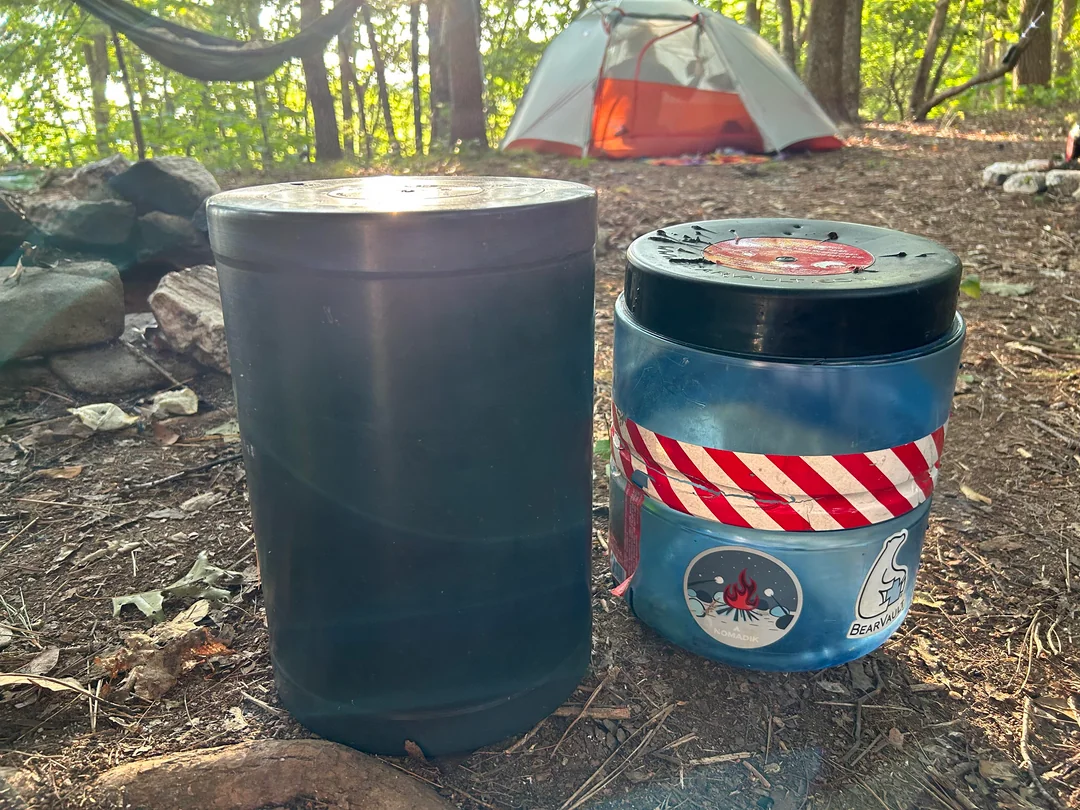
- Bear canisters. An allowed canister is required for all food, trash, and scented items in the Yosemite Wilderness. Hanging food is not legal, and bear spray is not allowed in the park.
- Group size. The maximum is 15 people, or 8 people for cross-country travel more than a quarter mile from a trail.
- No pets, drones, or wheeled vehicles in the wilderness.
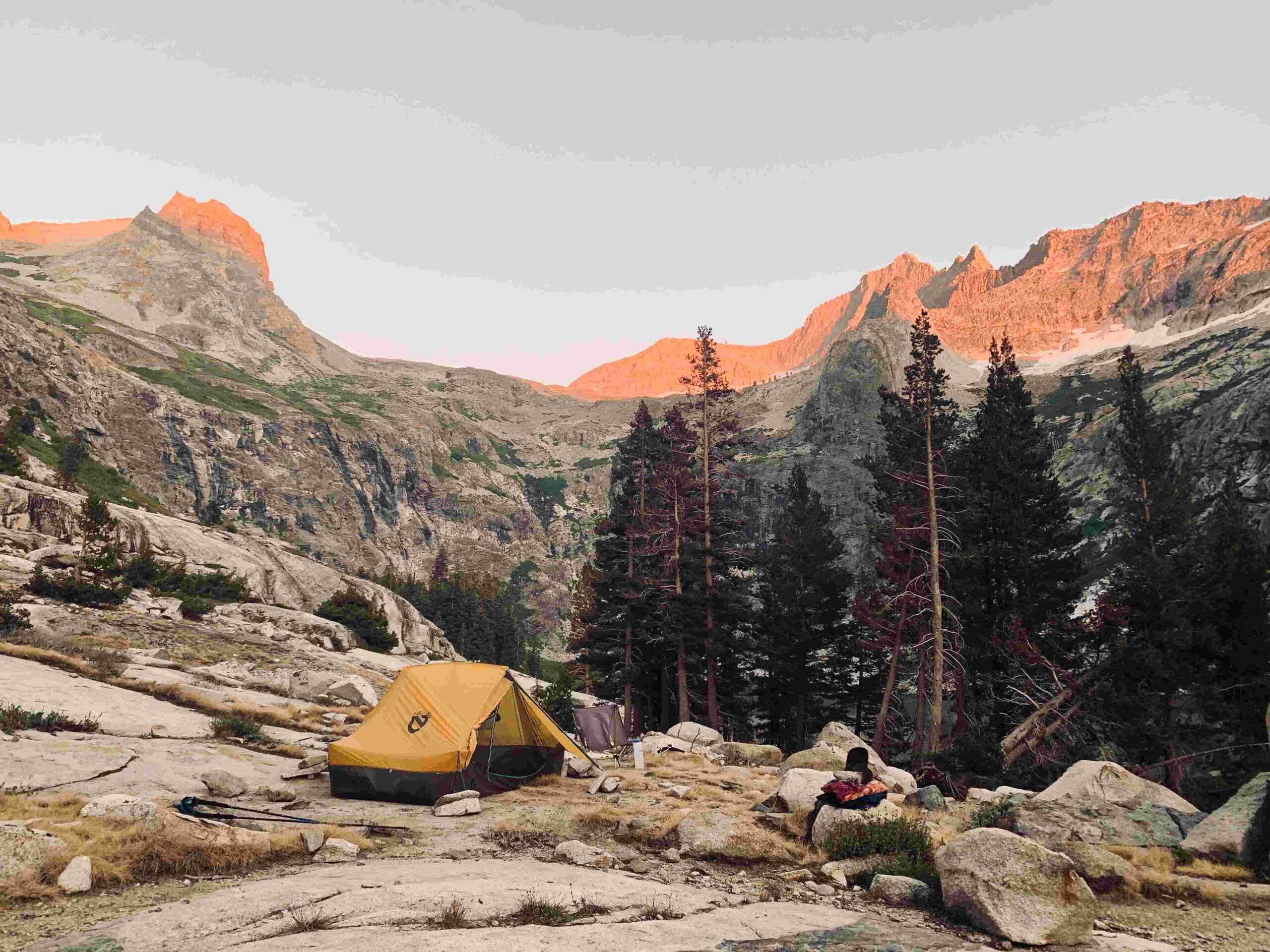
- Camping distances. Camp at least 100 feet from water and trail, at least four trail miles from Tuolumne Meadows, Yosemite Valley, Glacier Point, Hetch Hetchy and Wawona, and at least one mile from any road.
- Campfires. Allowed only in existing rings below 9,600 feet, and never at the top of Half Dome.
- Camping limit. 30 nights per calendar year in the park, and 14 nights between May 1 and September 15.
Canisters are easy to solve. You can rent a Garcia Backpackers’ Cache canister from any staffed permit station for $5 a week with a $95 credit-card deposit, no reservation needed.
The night before and the night after your trip, permit holders may stay in a backpackers’ campground without a separate reservation. Gear lists are covered in our California hiking gear checklist.
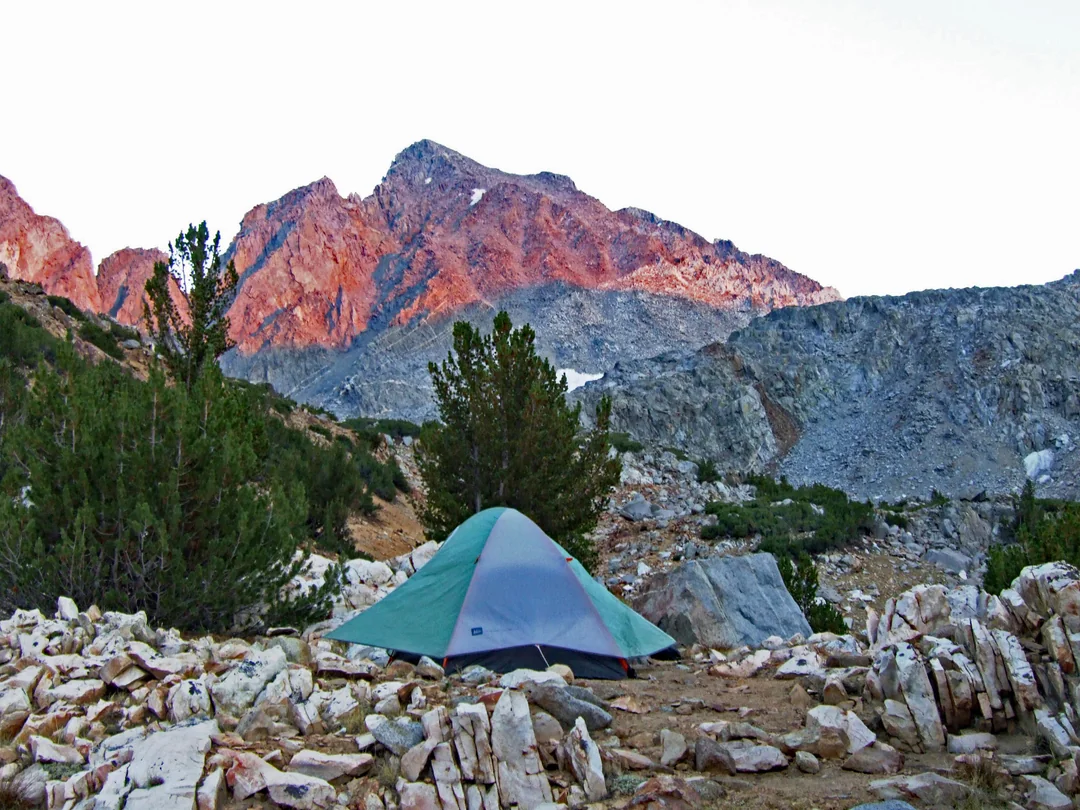
Yosemite Wilderness Permits in Winter
From about November through April, wilderness permits are still required, but reservations and fees fall away. You collect permits from the permit station nearest your trailhead (or self-register where the station has closed), and trailhead quotas remain in effect, though most do not fill. Winter trailheads at Badger Pass, Crane Flat, Tioga Pass and Mariposa Grove are for skis and snowshoes, not hiking.
Plan for full winter conditions. Most of the park is under snow, and NPS notes that Yosemite does not provide avalanche information. For weather and road context, see our guide to Yosemite National Park in winter.
Other Yosemite National Park Permits and Reservations
A few permits live outside the wilderness system:
- Entrance: Yosemite required no vehicle reservation at any point in 2026. The standard fee is $35 per vehicle for seven days, and non-U.S. residents age 16 and older pay a $100 surcharge unless they hold an annual pass.
- Campgrounds: Reservations open up to five months ahead. Staying at a frontcountry campground needs a campground reservation, not a wilderness permit. For permits beyond Yosemite, see our overview of California hiking trail permits.
- Lodging: Reservations open up to 366 days in advance through Yosemite Hospitality. For ideas by budget, see our guide to where to stay near Yosemite.
- Special use: NPS also handles permits for weddings, filming, business use, and research.
Final Thoughts
Think of the permit as the first leg of the trip. Choose your trailhead, apply in the lottery window 24 weeks out, set an alert for the seven-day release, and treat your pickup at the Yosemite Wilderness Center as the moment the trip begins.
The rest is rules and weather: bear canister, 100 feet from water, check conditions before you leave. Yosemite caps its crowds so that someone, on some ridge, still gets a quiet night under the stars. With a permit in hand, that someone can be you.
Frequently Asked Questions
Do I need a permit to hike in Yosemite?
Not for a day hike, with one exception. Half Dome requires a permit whenever the cables are up. Overnight trips in the wilderness require a wilderness permit all year.
How much is a Yosemite wilderness permit?
During the reservation season, it costs $10 per application plus $5 per person if you win the permit. From about November through April, wilderness permits are issued without reservations or fees.
How far in advance should I apply for Yosemite backpacking permits?
Sixty percent of each trailhead’s quota is released by weekly lottery 24 weeks (168 days) before your start date. The other 40 percent opens seven days ahead. Counting back 24 weeks from your start date tells you which lottery week to enter.
Can I get a Yosemite wilderness permit the day I arrive?
Sometimes, but plan on not getting one. From late April through mid-October, few if any, unreserved permits remain at wilderness centers. In winter, you can pick up a permit the day before or the day of your start at the station nearest your trailhead.
What hours are the Yosemite wilderness centers open?
NPS lists the Yosemite Valley, Tuolumne Meadows, Big Oak Flat, and Wawona stations as open 8 a.m. to 5 p.m. in the season, with no after-hours permits in summer. Check the NPS wilderness conditions page for current hours.
Can I hike Half Dome with a wilderness permit?
Only if the permit starts at a Half Dome-eligible trailhead, in which case you add the Half Dome permit at pickup for $10 per person. Otherwise, you need a Half Dome permit from the day-hike lottery.