Best Hiking Trails in California’s National Parks: The Complete Guide
California has nine national parks, more than any other state, and each one hikes completely differently from the rest. Yosemite gives you granite and waterfalls, Death Valley gives you desert extremes, Redwood gives you the tallest trees on Earth, and the other six each have their own reason to exist on this list. This guide is the starting point for exploring the best Hiking Trails in California’s National Parks: which park matches your hiking style, when to go, what it costs, and where to find the full trail-by-trail guide for each one.
Disclosure: Please note that some of the links below are affiliate links and at no additional cost to you, I may earn a commission. Know that I only recommend hiking gear I personally stand behind; when you use my affiliate links, it helps me run this blog and keep all of this content free of charge for readers (like you).
Key takeaways
- California’s 9 national parks are Yosemite, Sequoia, Kings Canyon, Death Valley, Joshua Tree, Lassen Volcanic, Redwood, Channel Islands, and Pinnacles, more than any other state.
- Combined, they hold well over 3,000 miles of maintained trail, ranging from paved valley loops to multi-day wilderness routes.
- The right park depends on your hiking style more than a general “best” ranking, beginner, advanced, and family hikers each have a clearer answer than “just go to Yosemite.”
- As of 2026, Yosemite and Sequoia & Kings Canyon charge a $100 nonresident surcharge per person 16 and older, on top of the standard entrance fee, the other six California parks don’t.
- Yosemite dropped its timed-entry reservation requirement for 2026, you can now drive in without booking an entry window, though Half Dome and wilderness permits still apply.
- Dog policies are restrictive almost everywhere, most California national parks limit dogs to paved roads and campgrounds, not trails.
How many national parks are in California and what hiking do they offer?
California’s nine national parks are Yosemite, Sequoia, Kings Canyon, Death Valley, Joshua Tree, Lassen Volcanic, Redwood, Channel Islands, and Pinnacles, no other state comes close to that count. Each one hikes like a different state entirely, which is really the point of this guide.
California’s 9 national parks: a quick trail overview
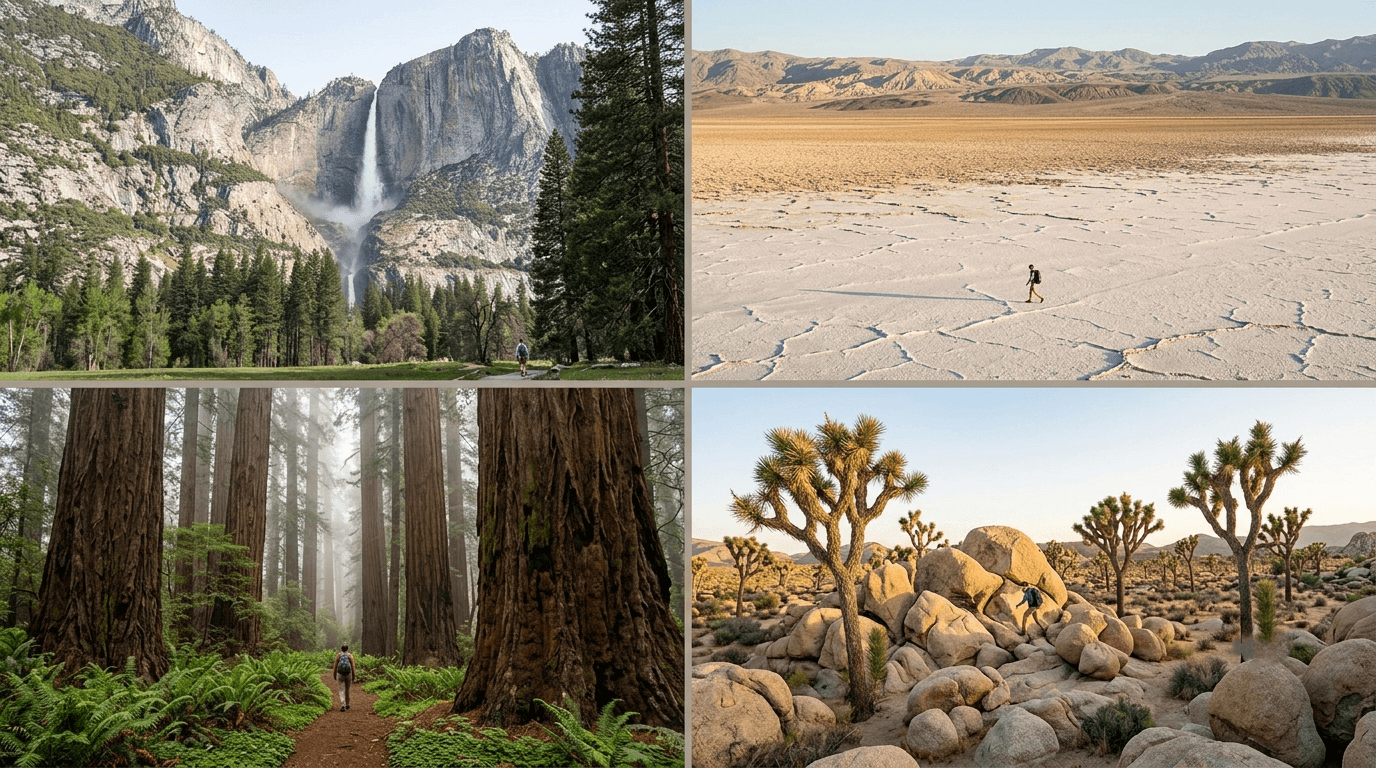
- Yosemite National Park: The iconic pick featuring granite domes, giant waterfalls, and the cabled Half Dome route.
- Sequoia & Kings Canyon National Parks: Pair giant sequoia groves with high-Sierra canyons and the Whitney zone.
- Death Valley National Park: Extreme desert terrain featuring salt flats, dunes, badlands, and Telescope Peak.
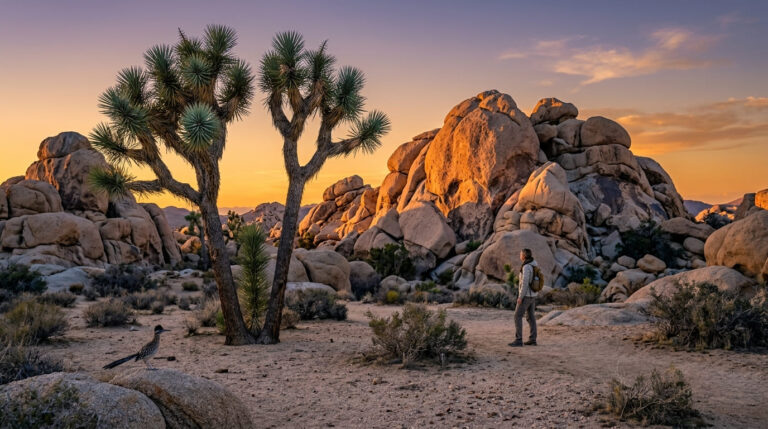
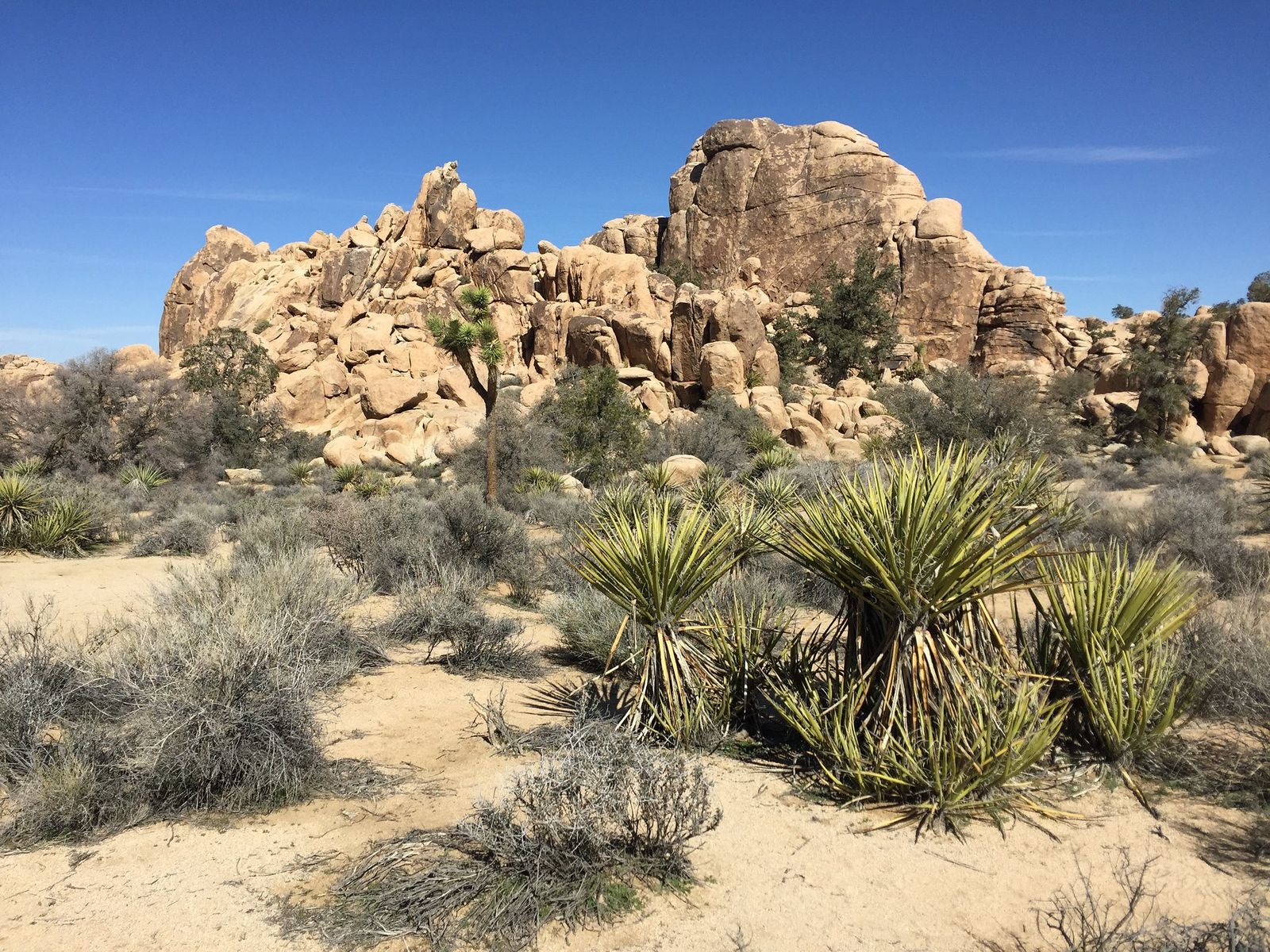
- Joshua Tree National Park: Bizarre monzogranite boulder piles and desert flats filled with Mojave Joshua trees.
- Lassen Volcanic National Park: California’s Cascade shield and plug-dome hydrothermal landscape.
- Redwood National & State Parks: Tallest trees on Earth running down a rugged northern coastline.
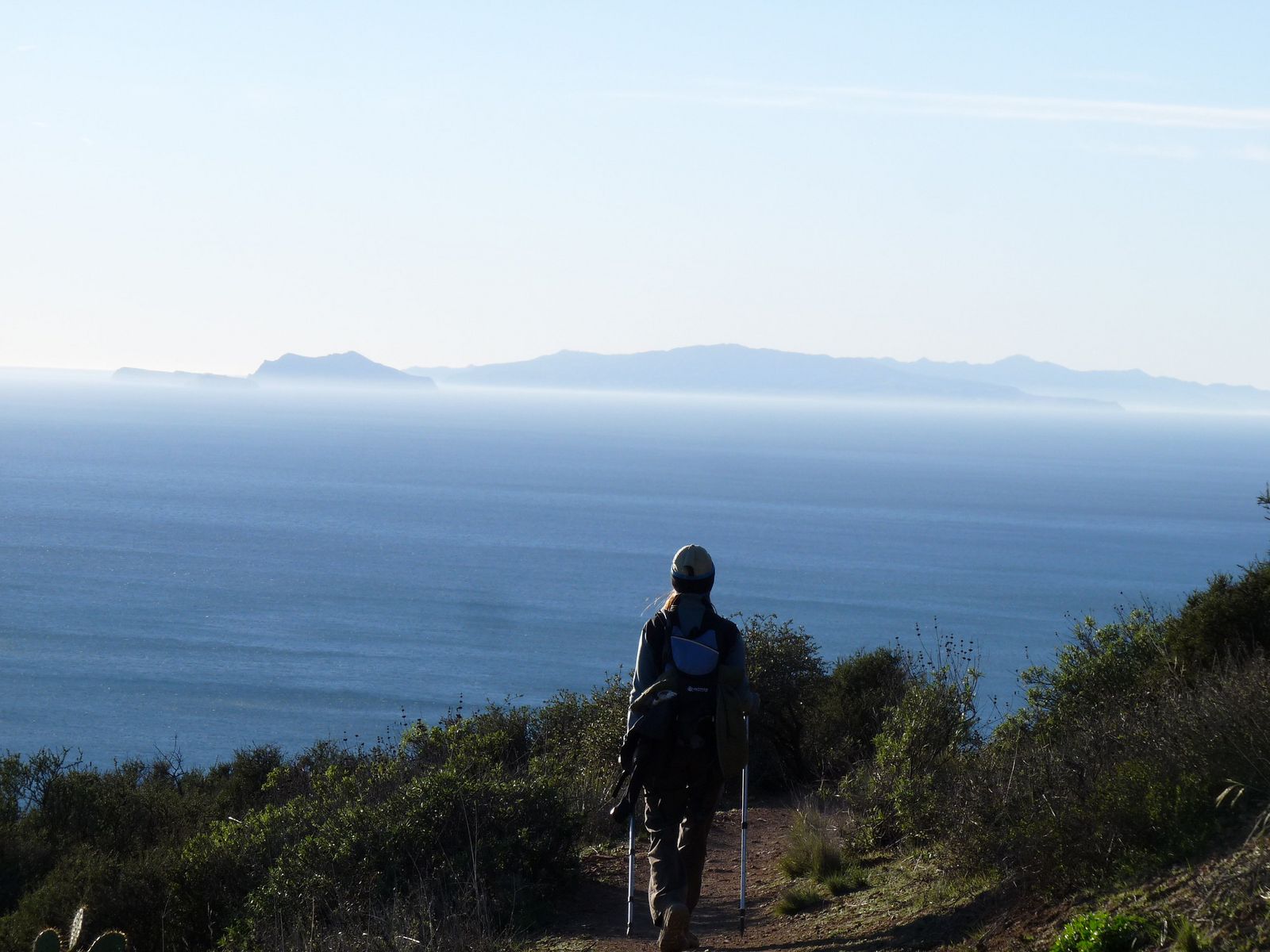
- Channel Islands National Park: Pristine boat-access islands preserving endemic island foxes and untouched coastal bluffs.
- Pinnacles National Park: Talus caves, volcanic spires, and wild California condors.
Choosing the right California national park for your hiking style
“Best” depends entirely on who’s asking; a first-time hiker and an experienced backpacker should go to genuinely different parks, not just different trails within the same one.
Best California national parks for beginner hikers
Sequoia’s Big Trees Trail and Congress Trail are flat, well-graded, and deliver giant sequoias without technical difficulty. Pinnacles’ cave trails are short and novel enough to hold interest without demanding real fitness; to map out your timing across the talus caves and spires, take a look at our Pinnacles National Park 1-day itinerary guide. Channel Islands offer moderate coastal walking once you’re off the boat, but you will first need to figure out how to get to Channel Islands National Park.
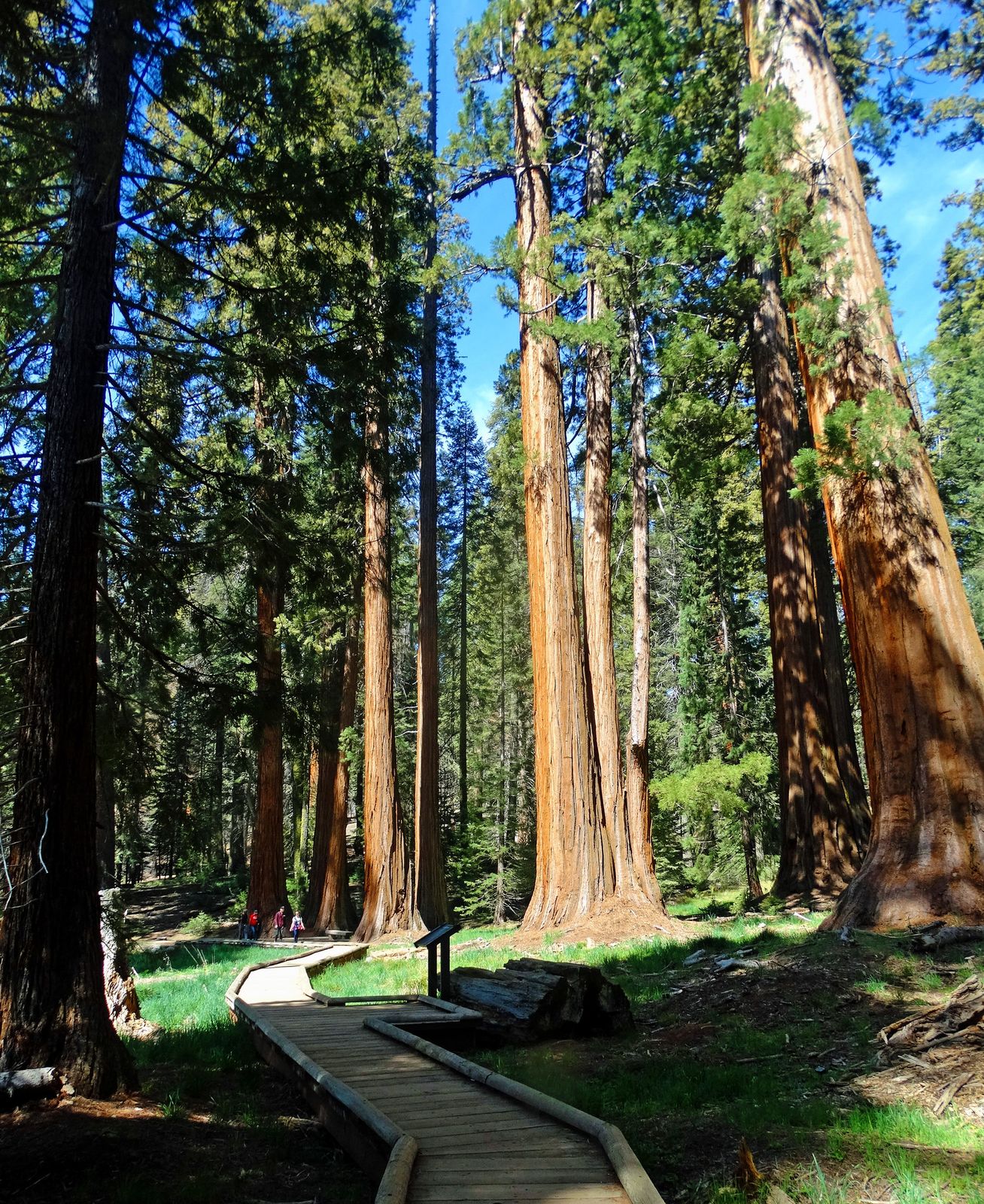
And just outside the official nine, Muir Woods National Monument’s paved boardwalk through old-growth redwoods is about as accessible as a forest hike gets; it’s a near-universal first recommendation even though it’s technically a national monument rather than one of California’s nine parks. For other easy flat trails, see our accessible hiking trails guide.
Best California national parks for advanced and experienced hikers
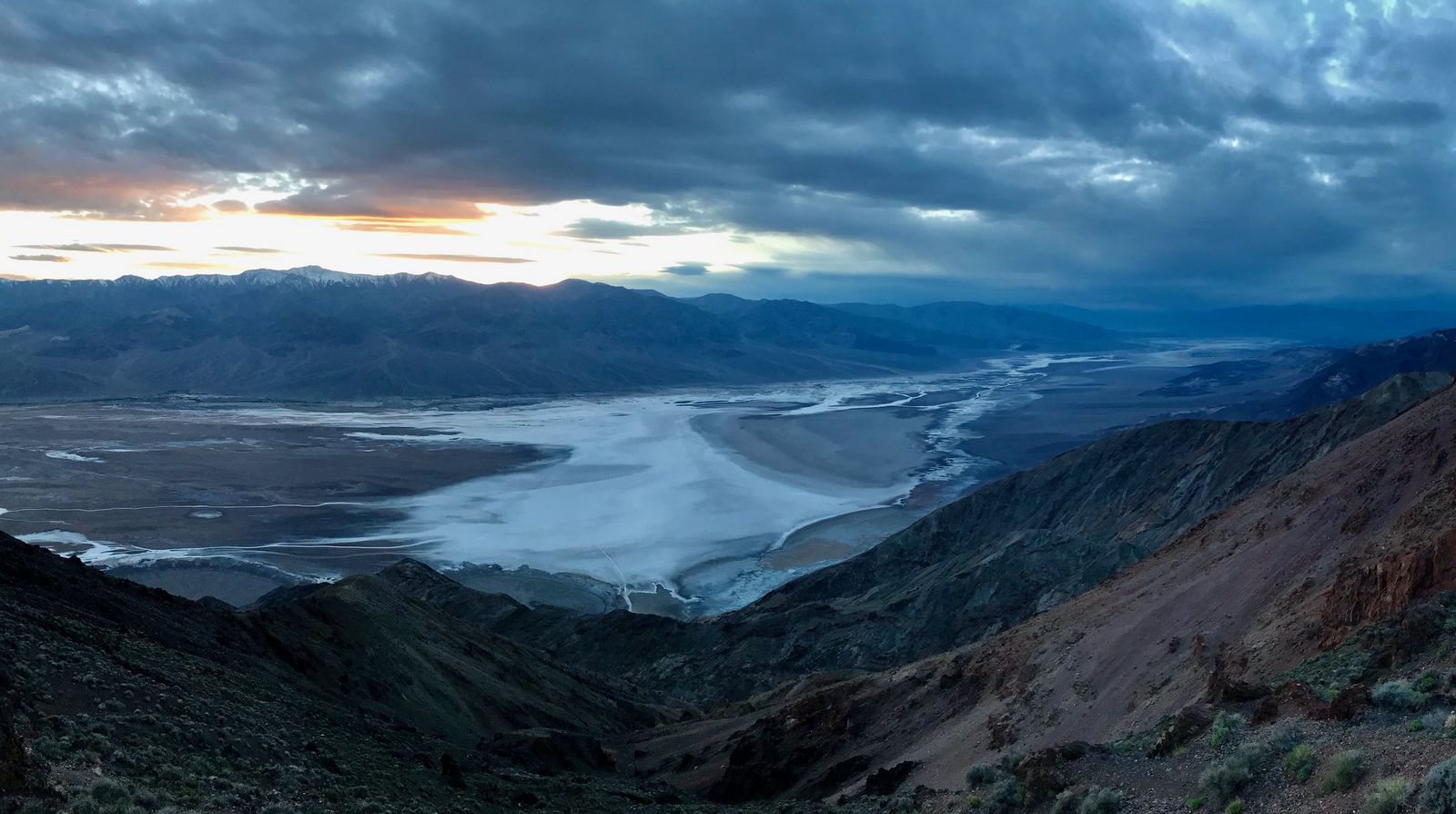
Yosemite’s Half Dome and Clouds Rest both demand real fitness and, for Half Dome, a permit that’s genuinely hard to win. Death Valley’s Telescope Peak is a genuine mountaineering objective hiding inside a desert park, climbing from below-sea-level terrain up to over 11,000 feet on the same trip.
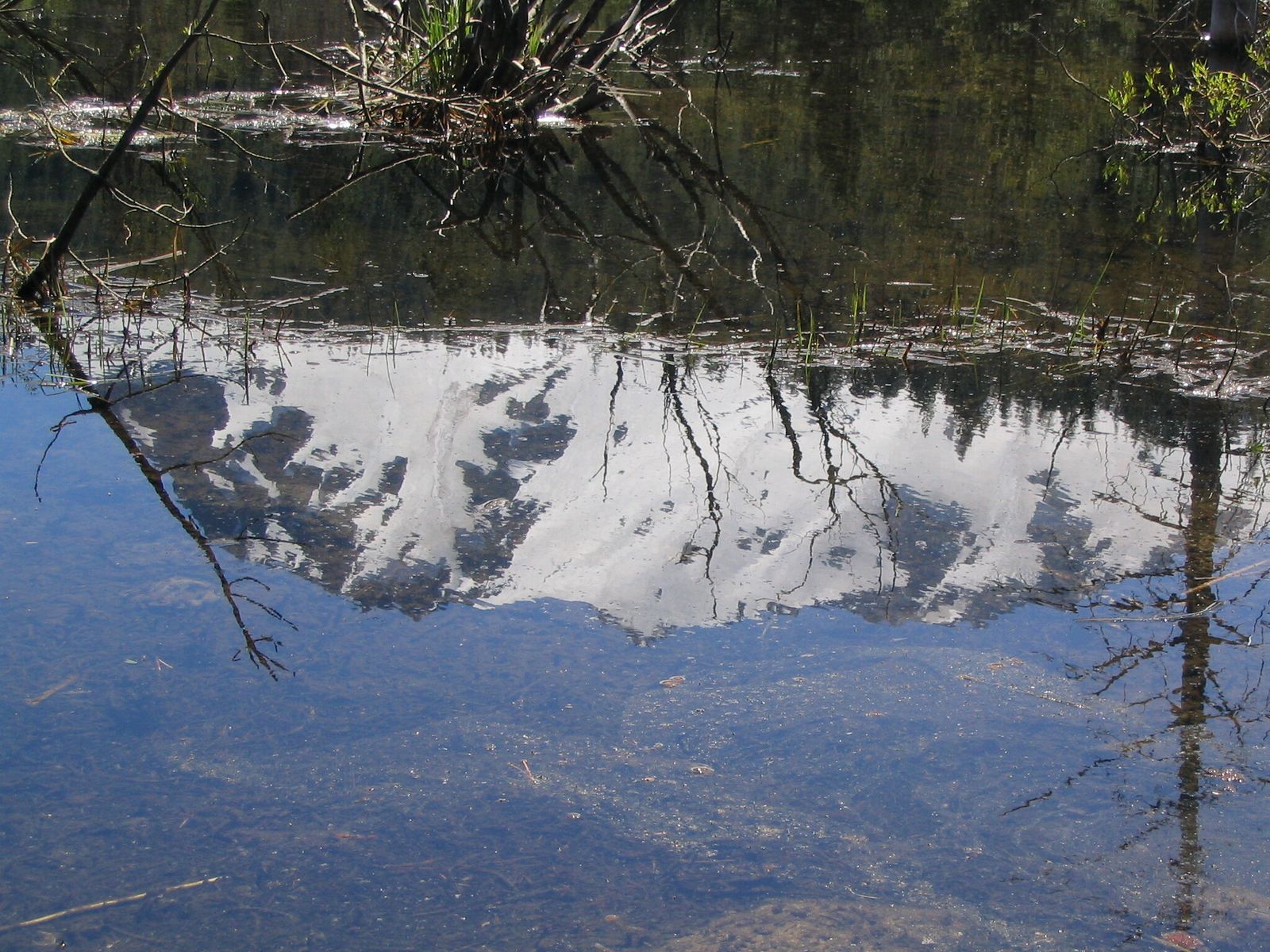
Lassen Peak’s summit trail is a serious volcanic climb with real elevation gain packed into a shorter distance than its Sierra counterparts, and Kings Canyon’s Rae Lakes Loop is a multi-day Sierra classic that most hikers spread across three to five days rather than attempt in one push.
These are the parks, and specific trails, that reward hikers who’ve already put in the miles elsewhere, rather than a good first “hard hike.” Review how to calibrate trail difficulty in our hiking difficulty levels guide.
Best California national parks for family hiking
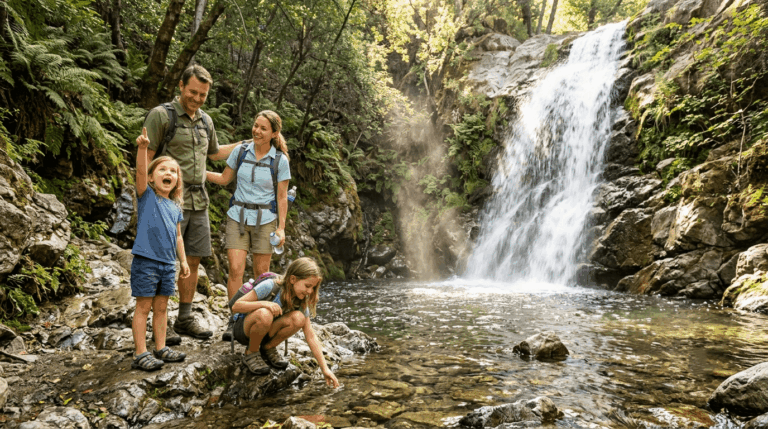
Sequoia’s Big Trees Trail works for family hiking the same way it works for beginners: flat, short, and genuinely impressive to kids. Yosemite Valley’s floor trails let families take in the park’s biggest views without any real climbing. Muir Woods’ boardwalk and Pinnacles’ shorter cave routes round out a solid family shortlist.
When to visit each California national park for the best hiking
Timing matters more in California than in most states, because the nine parks span desert floor to alpine peak; a single “best season” doesn’t exist for the group as a whole.
Spring and summer hiking in California’s national parks
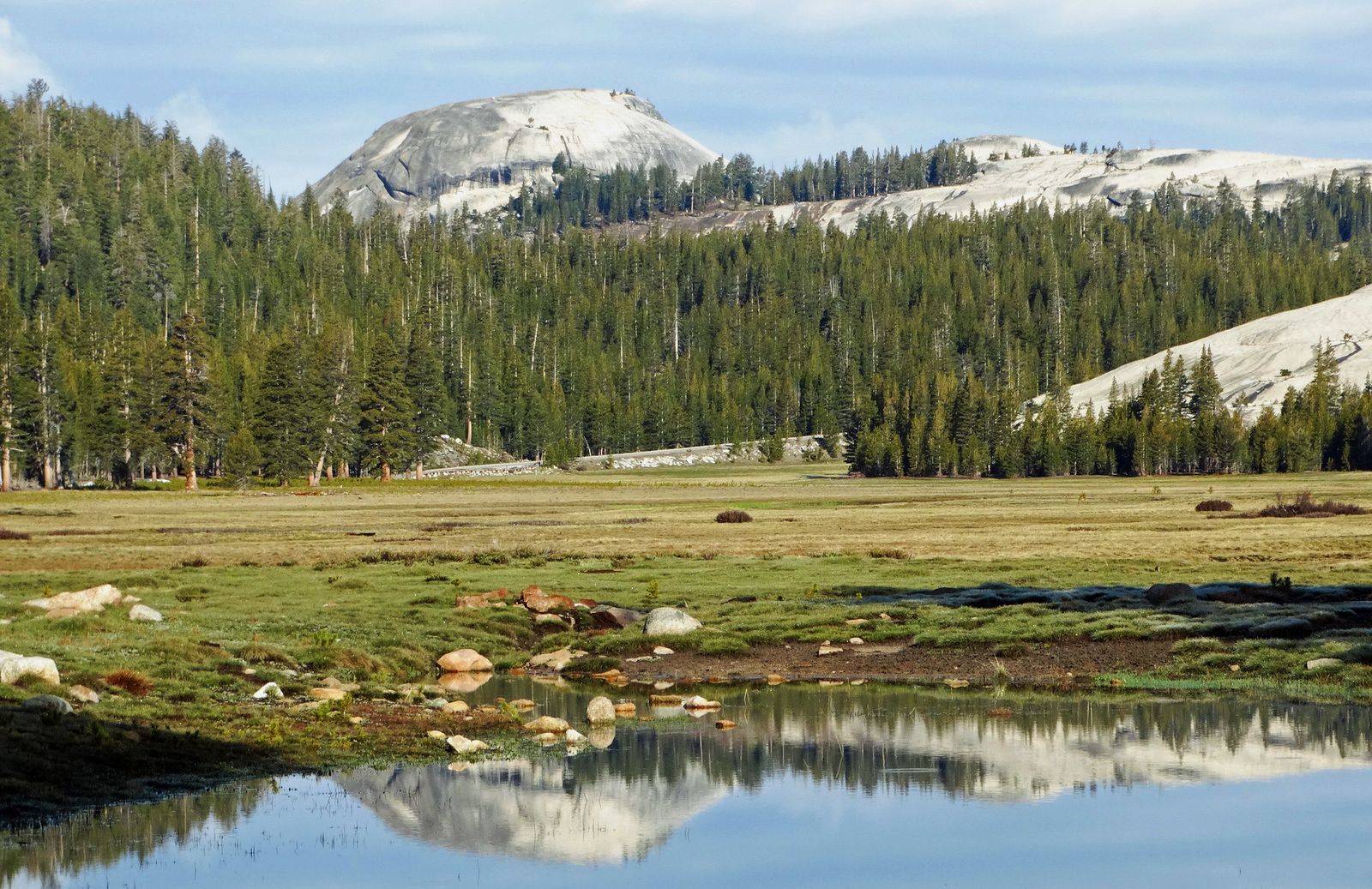
Yosemite’s waterfalls peak in May and June on snowmelt, and the Sierra high country in Sequoia, Kings Canyon, and Yosemite’s Tuolumne Meadows typically doesn’t fully open until June or July. Coastal parks, Channel Islands, and Muir Woods just outside the nine, hike well nearly year-round without a sharp seasonal peak.
Desert parks are the exception: Death Valley and Joshua Tree are exactly where you don’t want to be hiking in summer heat. See our seasonal hazards guide for a month-by-month planning calendar.
Fall and winter hiking in California’s national parks
Fall is the best-kept secret across the Sierra parks; Yosemite, Sequoia, and Kings Canyon all thin out dramatically once summer crowds leave, while the weather stays hikeable into October. Death Valley and Joshua Tree flip the calendar entirely, hitting their best hiking conditions from October through March.
Lassen’s main park road typically closes by November under snow, and Redwood stays quietly beautiful through winter fog with almost no seasonal drop-off in trail access. Review winter routing and safety tips in our winter hiking guide.
National park hiking permits: what you need before you go in California
Permit requirements vary a lot by park, and it’s worth checking the specific one before you assume either extreme, that every park needs a permit, or that none of them do. Half Dome’s day-hike lottery is the best-known example, but Mount Whitney runs its own separate quota system through Inyo National Forest, and Muir Woods requires a parking or shuttle reservation regardless of whether you need a hiking permit for anything else that day.
A standard day hike on a maintained trail in any of the nine parks needs no permit at all, it’s the specific bottleneck routes and any overnight backcountry travel that trigger the requirement. For overnight wilderness trips, consult our beginner’s backpacking guide to coordinate permits.
Free entry vs fee-based California national parks: what hiking costs
Most of California’s national parks charge $30–35 per vehicle for a 7-day pass, and the $80 annual America the Beautiful Pass pays for itself after two or three visits if you’re hitting more than one park in a year. Redwood is the exception, it charges no entrance fee at all.
One recent, notable change: as of January 1, 2026, non-U.S. residents aged 16 and older pay an additional $100 per person to enter Yosemite or Sequoia & Kings Canyon, on top of the standard vehicle fee, part of a new federal policy affecting 11 heavily visited parks nationwide.
That surcharge doesn’t apply at California’s other six national parks. Nonresidents visiting more than one surcharge park in a year should look at the new $250 nonresident annual pass rather than paying the fee repeatedly.
Also worth knowing if you’re planning a Yosemite trip: the park dropped its timed-entry reservation requirement for 2026, so you can drive in without booking a window, though Half Dome permits and wilderness permits for backcountry travel still apply exactly as before.
Are dogs allowed on hiking trails in California national parks?
Rarely on the trail itself, and this catches a lot of first-time visitors off guard.
Where dogs are and are not allowed in California’s national parks
The pattern holds across nearly every park: dogs are welcome in developed areas, paved roads, campgrounds, parking lots, but not on trails. Death Valley and Joshua Tree both restrict dogs to paved roads and campgrounds (Joshua Tree adds designated off-road vehicle routes to that short list), Yosemite doesn’t allow dogs on any trail in the park, Sequoia and Kings Canyon limit them to fire roads rather than true trails, and Channel Islands doesn’t allow pets at all given the sensitive island ecosystems. Redwood permits dogs only in a handful of specific paved or developed areas, well short of its actual trail network.
If a hiking trip with your dog is the priority rather than a secondary consideration, county and regional parks are almost always a better bet than a national park, national forests, which sit under different management rules entirely, are typically far more permissive too. Read our complete hiking with dogs guide for California leash laws and pet-friendly trails.
Nine parks, nine completely different hiking experiences; the fastest way to pick the right one is to match it to your skill level and the season, not just to whichever name you’ve heard the most. Once you’ve picked your park, our dedicated trail guides for each one go deep on the specific routes, permits, and conditions you’ll actually need on the ground.
Frequently asked questions about hiking in California’s national parks
How many hiking trails are in Yosemite National Park?
Yosemite holds roughly 800 miles of maintained trail spread across four hiking zones: Yosemite Valley, Tuolumne Meadows, Wawona, and Hetch Hetchy. That range covers everything from a one-mile paved waterfall walk to multi-day wilderness routes.
What are the best hiking trails in California’s national parks?
It depends on your skill level more than any single “best” trail, Sequoia’s Big Trees Trail for beginners, Yosemite’s Half Dome or Kings Canyon’s Rae Lakes Loop for experienced hikers, and Yosemite Valley’s floor trails for families. Each park’s dedicated guide breaks down its own best options in more depth.
Are dogs allowed on hiking trails in California national parks?
Generally no, most California national parks restrict dogs to paved roads and campgrounds, not trails, and Channel Islands doesn’t allow pets at all. County and regional parks are typically a better option for hiking with a dog.
Do you need a permit to hike in California’s national parks?
It depends on the trail, not just the park, day hiking in most areas needs no permit, but specific routes like Half Dome (Yosemite) or Mount Whitney (Sequoia) require one, and any overnight backcountry trip needs a wilderness permit. Check the specific trail before assuming either way.
Which California national park is best for beginner hikers?
Sequoia and Pinnacles both offer short, well-graded trails that deliver a real payoff, giant sequoias or talus caves, without demanding much fitness. Muir Woods, just outside the official nine parks, is an even gentler paved option nearby.
Is the America the Beautiful Pass worth it for California hiking?
Yes, if you’re visiting more than two or three fee-charging parks in a year, the $80 annual pass breaks even quickly and covers every national park in the country, not just California’s. Nonresidents visiting multiple parks that charge the new $100 surcharge should look at the separate $250 nonresident annual pass instead.